Gallery (Click on titles!)
-
Chidham Morning Walk 13 July 2016
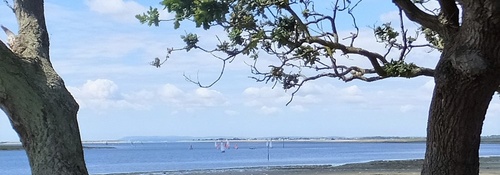
Jeff's walk around Chidham proved very popular with 16 walkers admiring the estuary and channels, busy with sailing dinghies and birdlife. As expected it was a flat walk and there was very little wet ground. The weather was excellent, little wind and an occasional need for sun cream. Lunch at the Old House at Home, which was very good - the seafood platter was almost big enough to be shared by two. Total distance 5 miles, maximum altitude 20 feet!
Marian's Photos of the London Walks 2005 to 2011
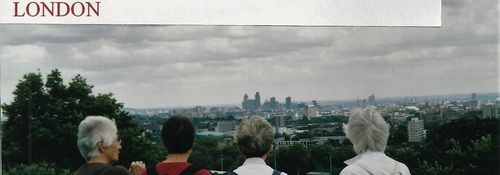
2005 Prince Charles marries Camilla, Labour wins the election, with Liberals gaining 62 seats. The 7th July bombings kill 52 people in London. England won the Ashes, Liverpool won the European Cup
2006 Federer and Amelie Mauresmo became Wimbledon Champions, Italy won the FIFA World Cup in Germany and Saddam Hussein was hung in Baghdad. And George Bush greeted Tony Blair with the phrase " Yo, Blair"
2007 Bank of England raised base rate to 5.25%, Gordon Brown replaced Tony Blair, smoking in enclosed public spaces was banned. Madelaine McCann went missing. The 2007/2008 financial crisis started developing and HP Sauce production was moved to the Netherlands.
2009 Bank of England changed the base rate, firstly to 1.5% and then down to 0.5% and the Office of Nationl Statistics declared the UK was in recession - first time since 1991. Approval was given by Parliament for the 3rd runway at Heathrow to go ahead and Barack Obama became President of USA
2011 Prince William and Catherine Middleton got married. The Queen made a state visit to the Republic of Ireland - the first State visit since 1911. Earthquake and tsunami hit northern Japan, critically damaging the Fukushima Nuclear Reactor. Following Mark Duggan's death, roiting ocurred in many English cities between 6th to 11th August. News of the World ceased publication.
Isle of Wight Day walk 6th July 2016
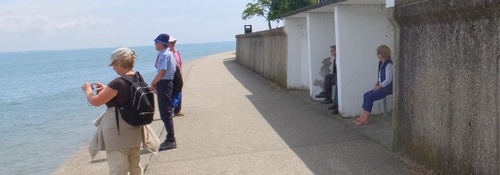
Another lovely trip to the Isle of Wight, organized by Mary. Southern Rail pulled out all the stops to prevent the Chichester/Southsea connection working but with dogged determination, we were all together for a fine lunch in the Seaview Hotel. It was such a warm day we were grateful they found the air conditioning switch so we could enjoy their excellent food. It was a clear day with plenty to see out at sea. Two years ago we saw some up-market beach huts selling at £145,000. They're still for sale, but now at £199,500. However staying overnight is still forbidden. A great excursion with just over 4 miles to walk and no hills at all.
Balls Cross Morning Walk 29th June 2016
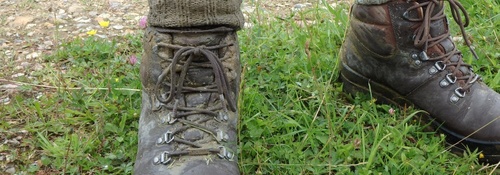
This was Jeff's walk and after a delayed start we had an interesting walk through the fields and woods of the Balls Cross area. Some tracks were muddier than expected, even though we had no rain at all during our walk. Some folk seemed to believe mud didn't matter as they had a change of footwear at the end of the walk at the excellent Stag Inn. One common spotted orchid seen en route.Walk was just over 4.1/2 miles and 210 feet as ascent - and even that seems unlikely!
Lulworth odds and ends
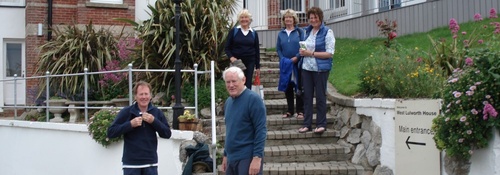
There are a few pictures that deserve a posting and thanks to Marian, Peter and Jane for so many photos during the week. HF Holidays in West Lulworth House looked after us very well and even more importantly was the generous assistance and guidance from their walk leaders. Their knowledge of the area was superb. They also included us in all their evening events, so we now know a little about Cornish cheese, heard some Cornish songs, failed miserably to display our knowledge of cocktails and took part in a nationwide quiz.
There are so many walks in the area and we have left many untouched.
Recent galleries
- Finchdean walk on 14th October 2026
- Sheet walk on 7th October 2026
- Chalton walk on 30th September 2026
- Byworth walk on 23rd september 2026
- West Itchenor walk on 16th September 2026
History
2026
- October (3)
- September (4)
- August (3)
- July (4)
- June (3)
- May (6)
- April (4)
- March (4)
- February (4)
- January (3)
2025
- December (3)
- November (4)
- October (5)
- September (4)
- August (4)
- July (5)
- June (4)
- May (5)
- April (4)
- March (5)
- February (3)
- January (4)
2024
- December (3)
- November (5)
- October (4)
- September (4)
- August (4)
- July (4)
- June (5)
- May (5)
- April (5)
- March (5)
- February (5)
- January (4)
2023
- December (3)
- November (6)
- October (5)
- September (5)
- August (3)
- July (4)
- June (6)
- May (5)
- April (4)
- March (5)
- February (4)
- January (4)
2022
- December (4)
- November (5)
- October (5)
- September (3)
- August (4)
- July (6)
- June (11)
- May (4)
- April (5)
- March (4)
- February (5)
- January (4)
2021
2020
- December (4)
- November (1)
- October (5)
- September (4)
- August (3)
- July (3)
- March (2)
- February (5)
- January (3)
2019
- December (2)
- November (5)
- October (4)
- September (3)
- August (4)
- July (4)
- June (11)
- May (5)
- April (4)
- March (3)
- February (5)
- January (5)
2018
- December (2)
- November (4)
- October (4)
- September (5)
- August (4)
- July (3)
- June (5)
- May (8)
- April (4)
- March (4)
- February (5)
- January (3)
2017
- December (3)
- November (5)
- October (3)
- September (4)
- August (4)
- July (4)
- June (11)
- May (4)
- April (4)
- March (3)
- February (4)
- January (5)
2016
- December (3)
- November (4)
- October (5)
- September (4)
- August (3)
- July (6)
- June (11)
- May (4)
- April (5)
- March (3)
- February (10)
- January (2)
2015
2014
- June (2)
1997
- February (1)