Gallery (Click on titles!)
-
Halfway Bridge walk on 1st February 2023
The too two walk started at the Grade II listed Halfway Bridge Inn near Lodsworth walking on the original A272 and halfway bridge we turned north and scaled the two stiles to get them out of the way early on. We climbed gently through River Wood admiring the Rother below us before a short section of road through River gave us access to steps up to a field with great views to the north of Bexley Hill and Black Down. We joined the Sussex Diamond Trail to Pitshill where we opted for an early coffee break while admiring the gardens and shallow combe. Pitshill was built in the 1790s by William Mitford and refurbished within the last decade. Refreshed, we headed south on backroads past Broughton Dairy Farm intrigued by the wigwam and decidedly cowboy themed scenery. Crossing the A272 Miguel spotted the two horses heads to win the competition set for the walk. At Southdean Farm we went down a gully that needed some care to stay upright after which the leaning and missing section of board walk across the flood meadow was dispatched with the skill and aplomb expected of the seasoned walkers we are. The banks of the River Rother for the second river scene guided us west towards Selham where we headed north on the road to finish too much road on the walk back to the The Halfway Bridge Inn where we enjoyed our lunch immensely.
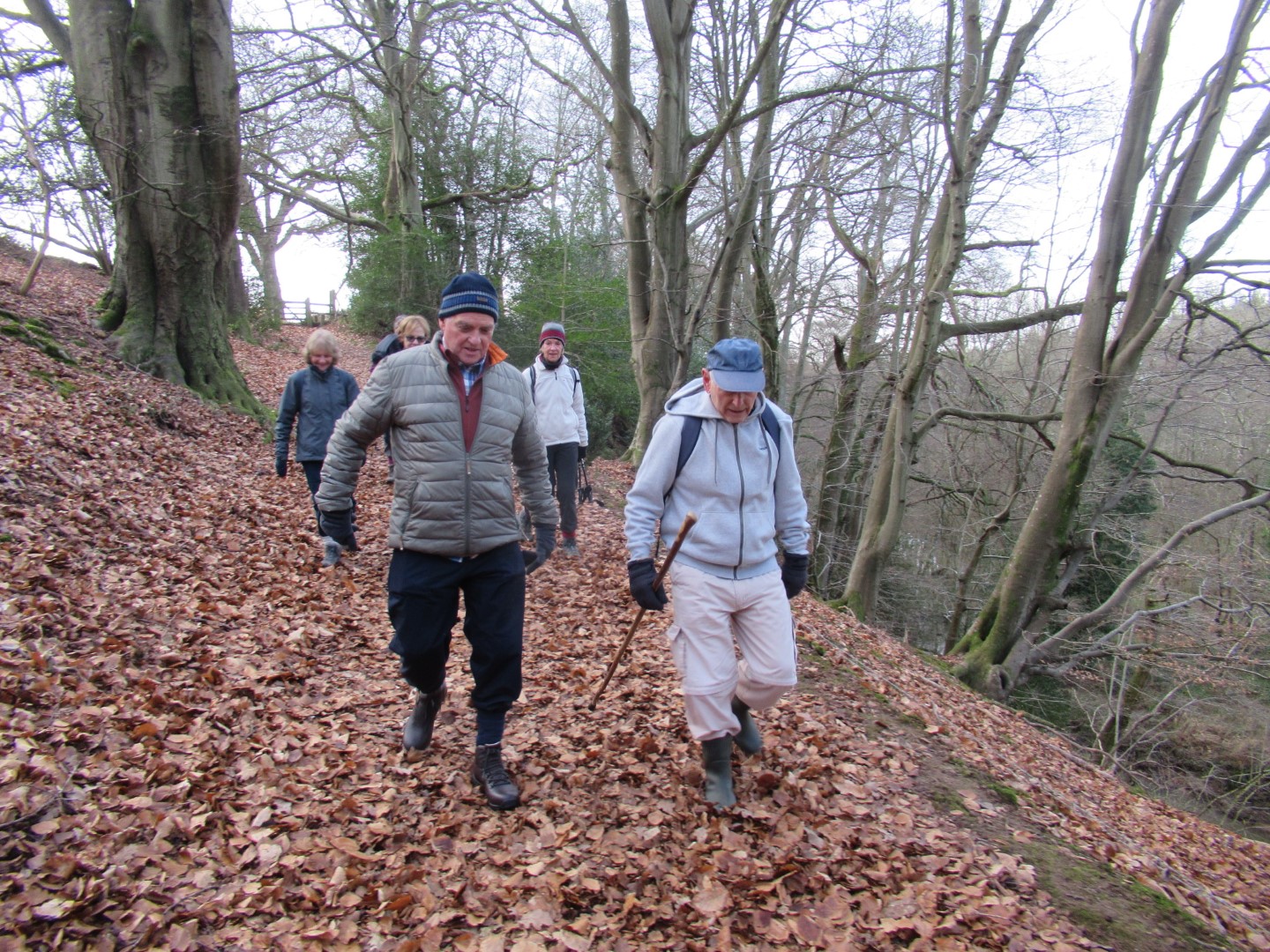
That’s the two stiles dispatched, let’s go
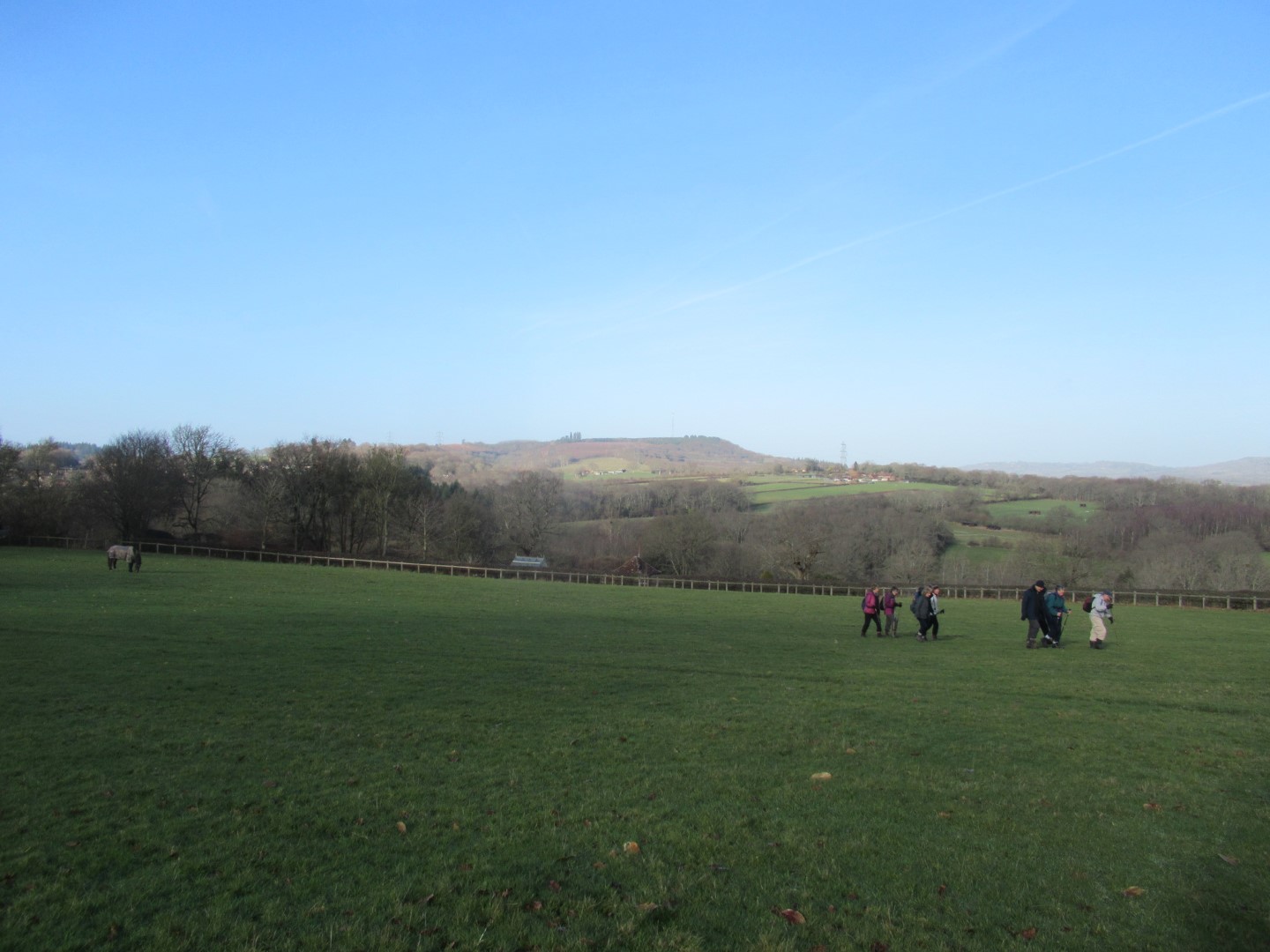
Bexley Hill, clear blue skies, what’s not to like?
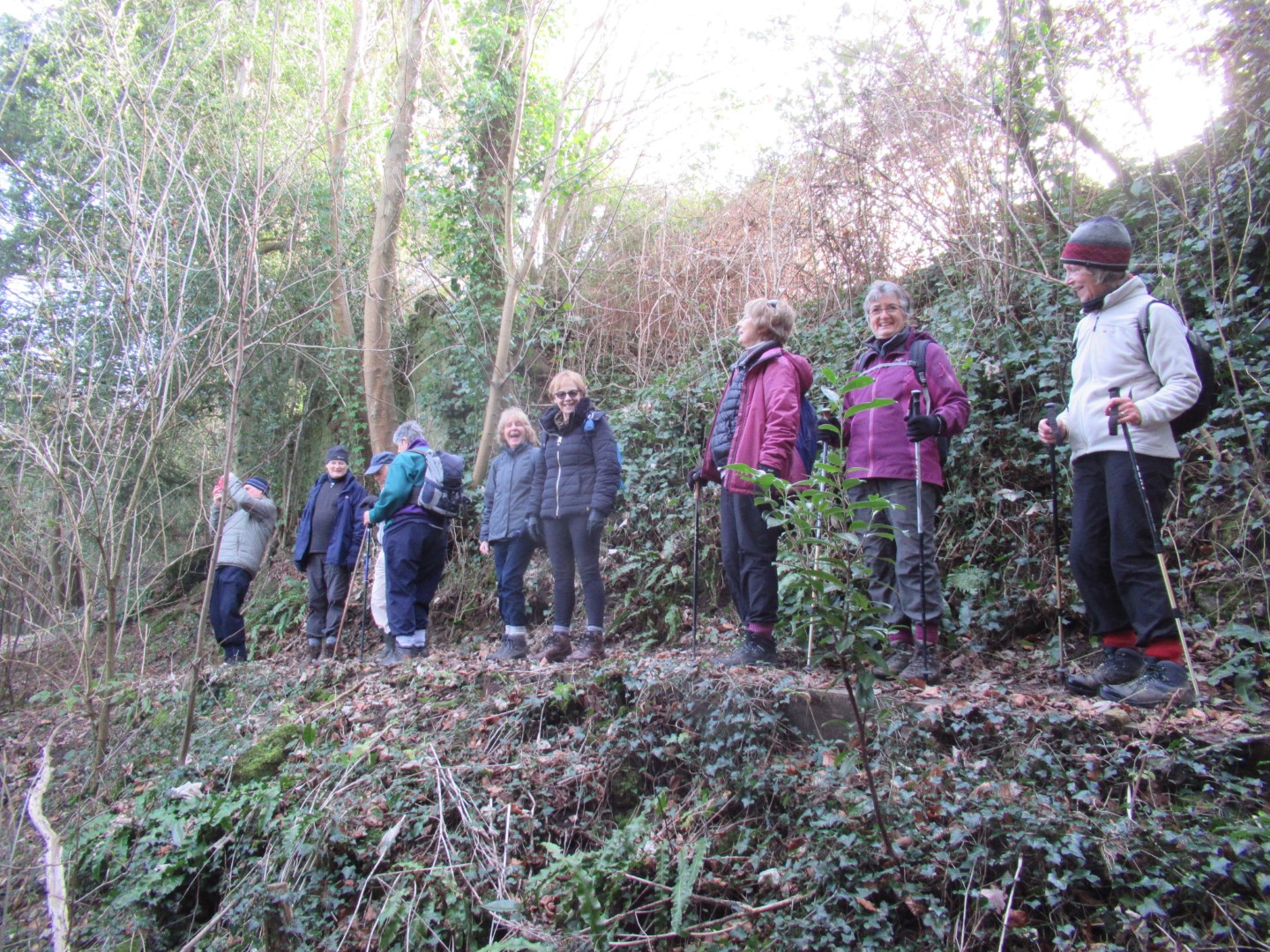
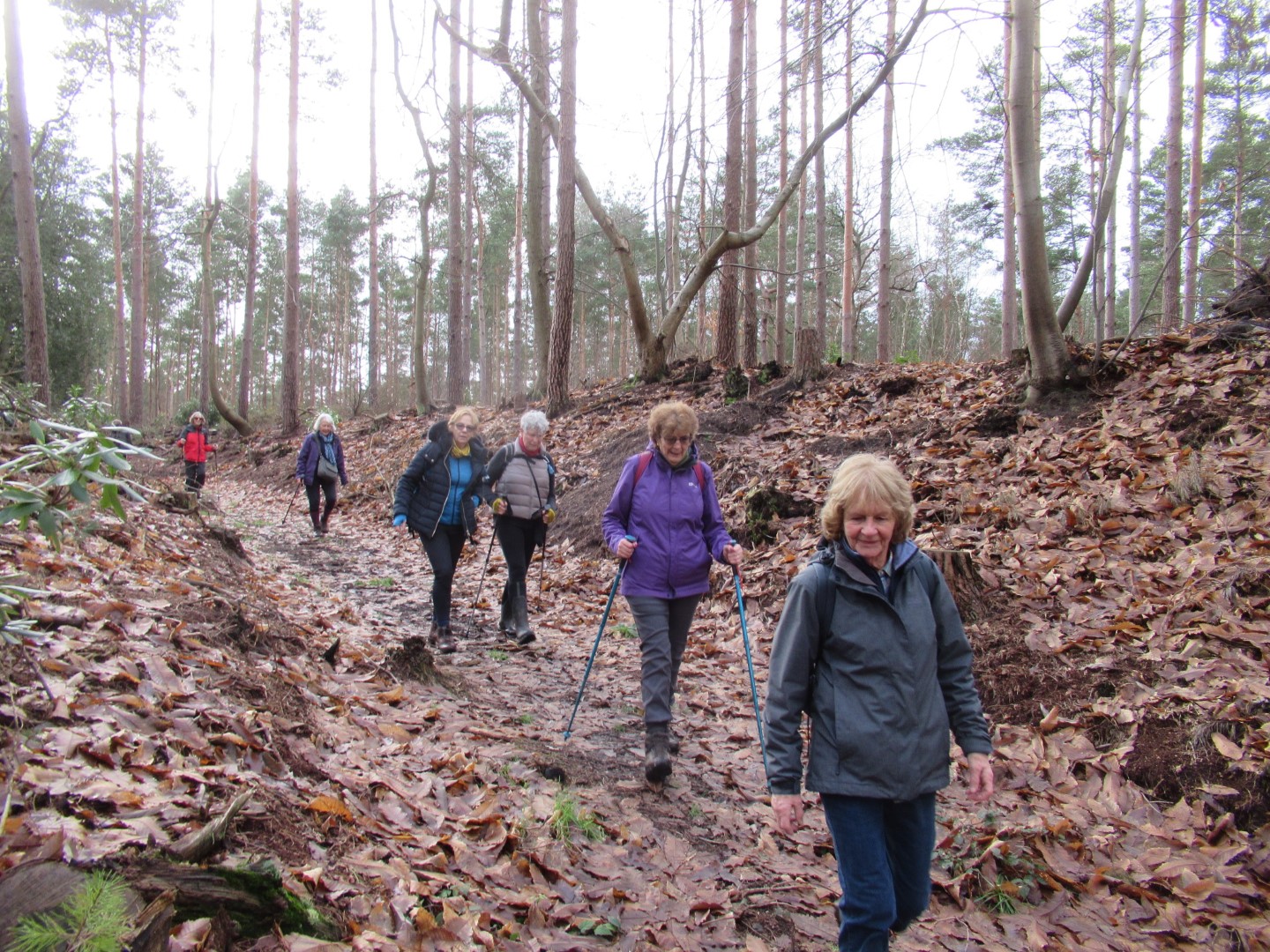
Line abreast while John starts his pole dancing routine
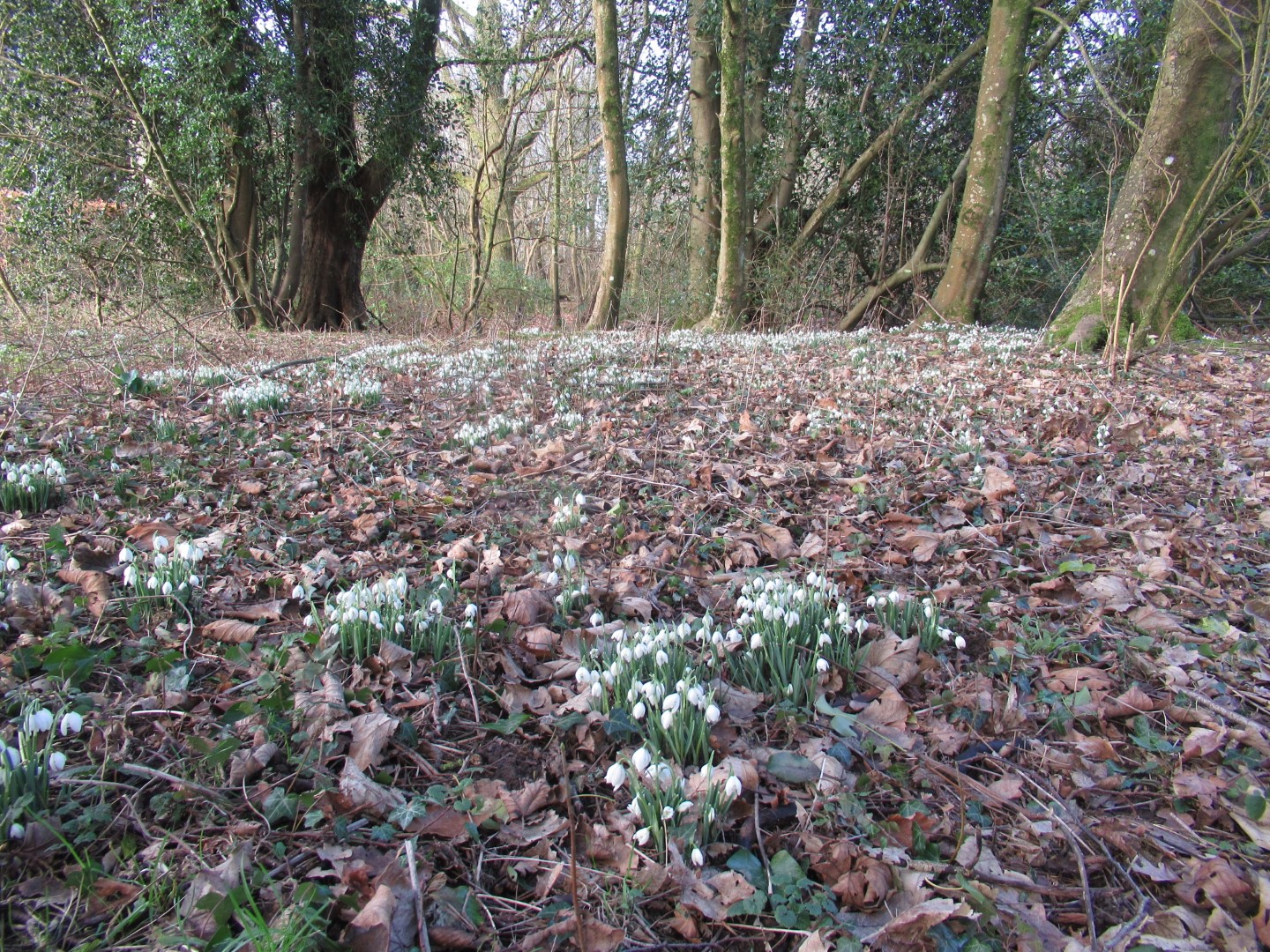
The first carpet of snowdrops this year
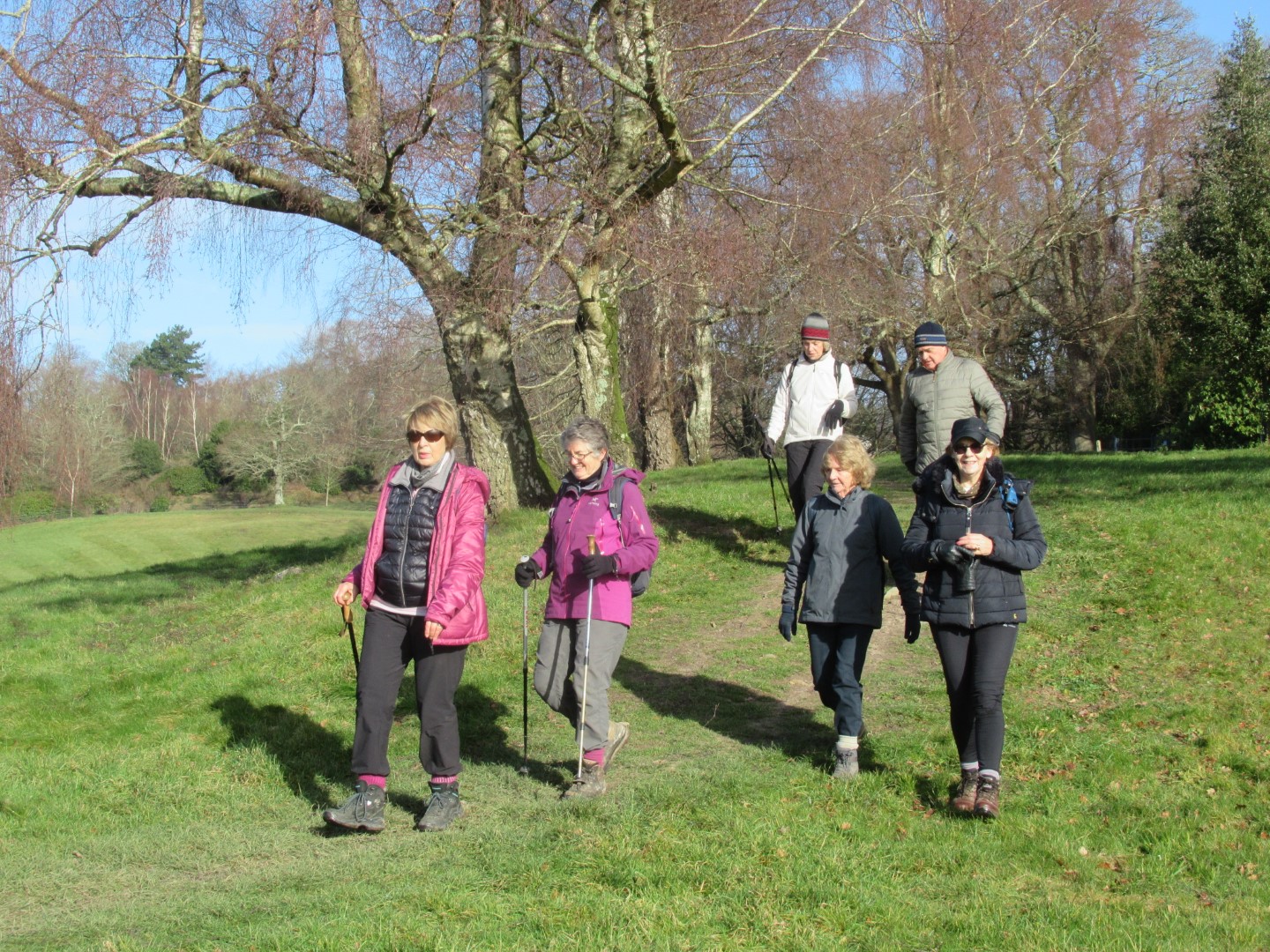
Leaving Pitshill all fed and watered
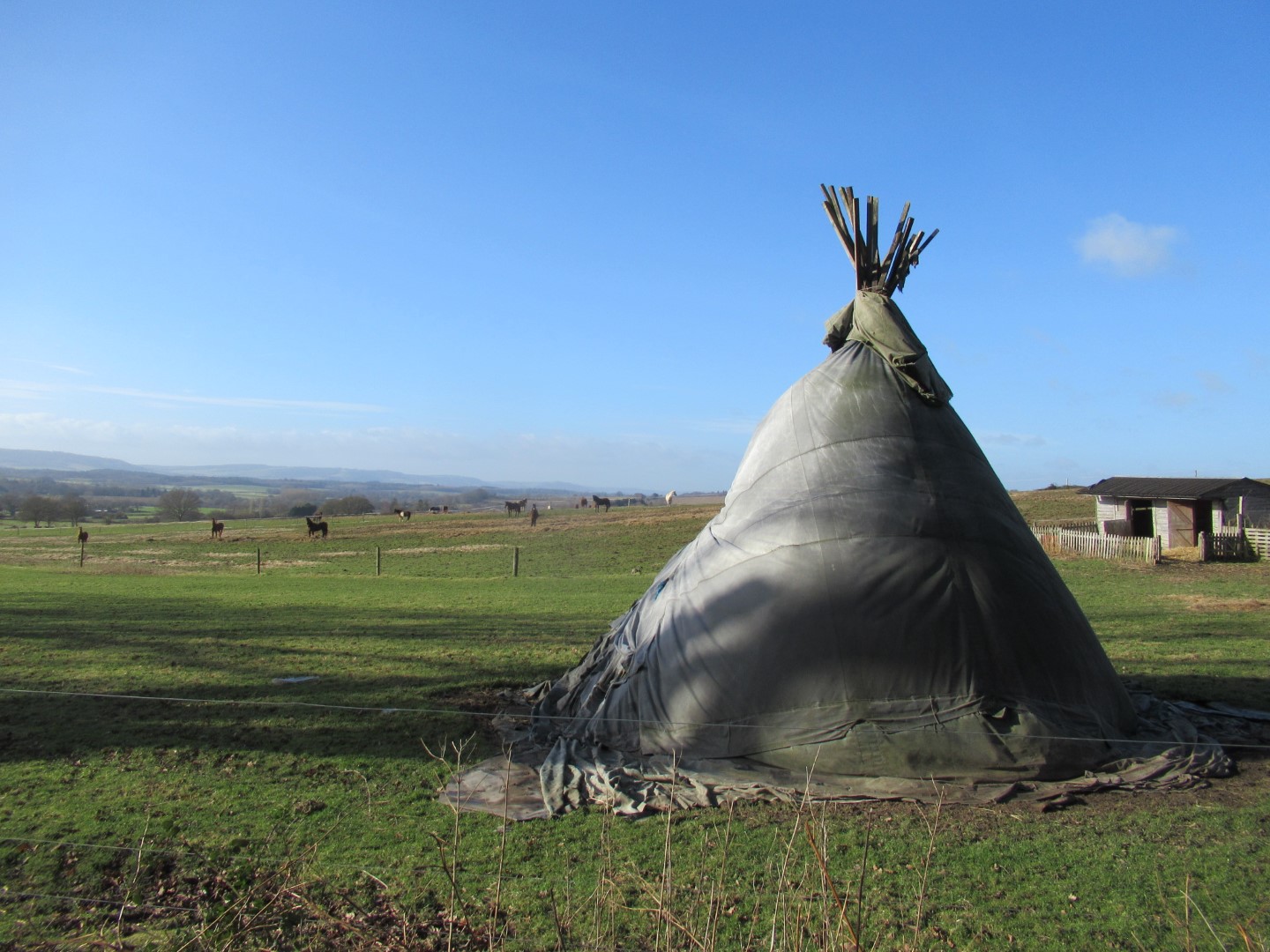
Yeeha, Cut 'em out, ride 'em in, Rawhide
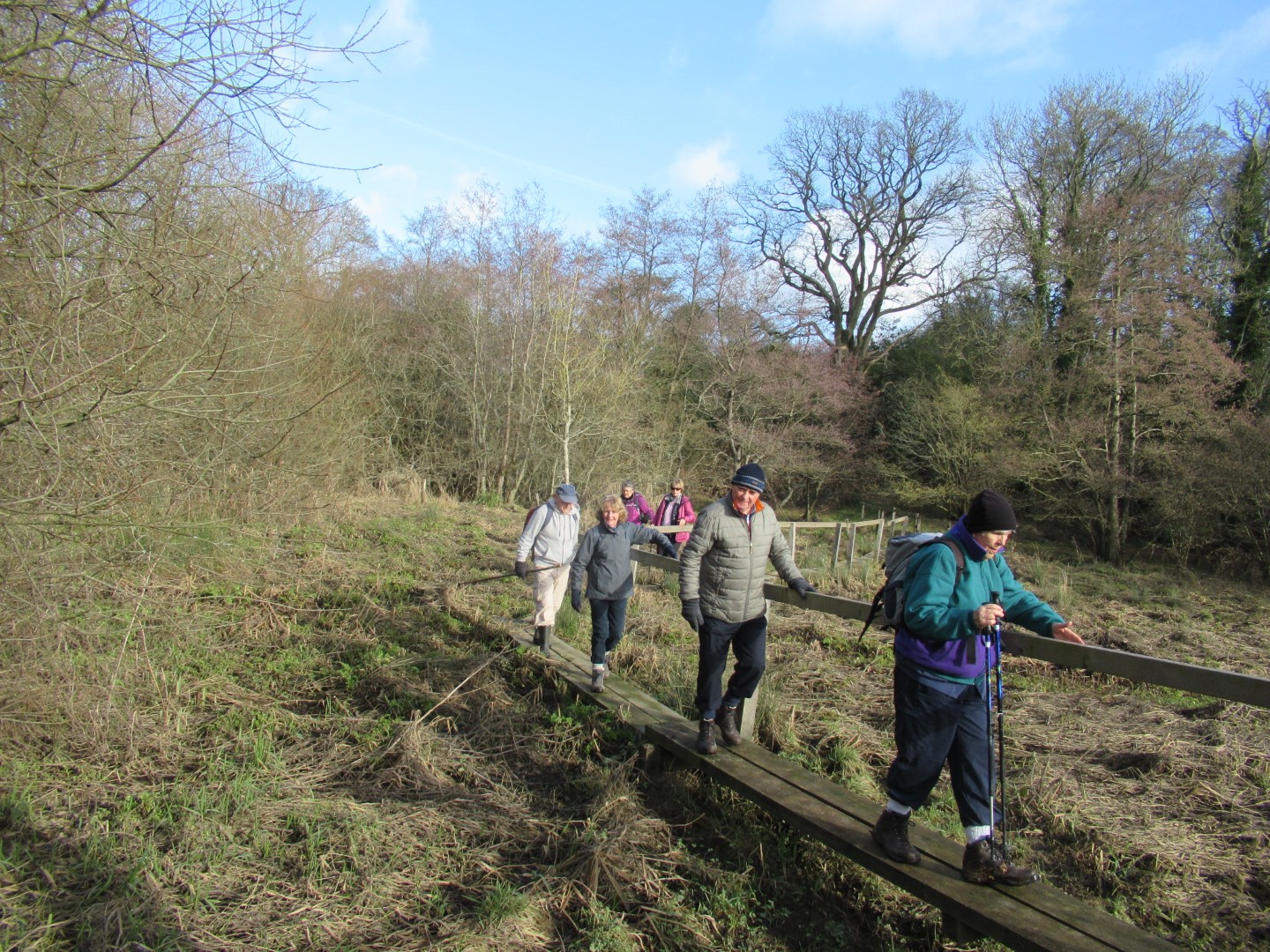
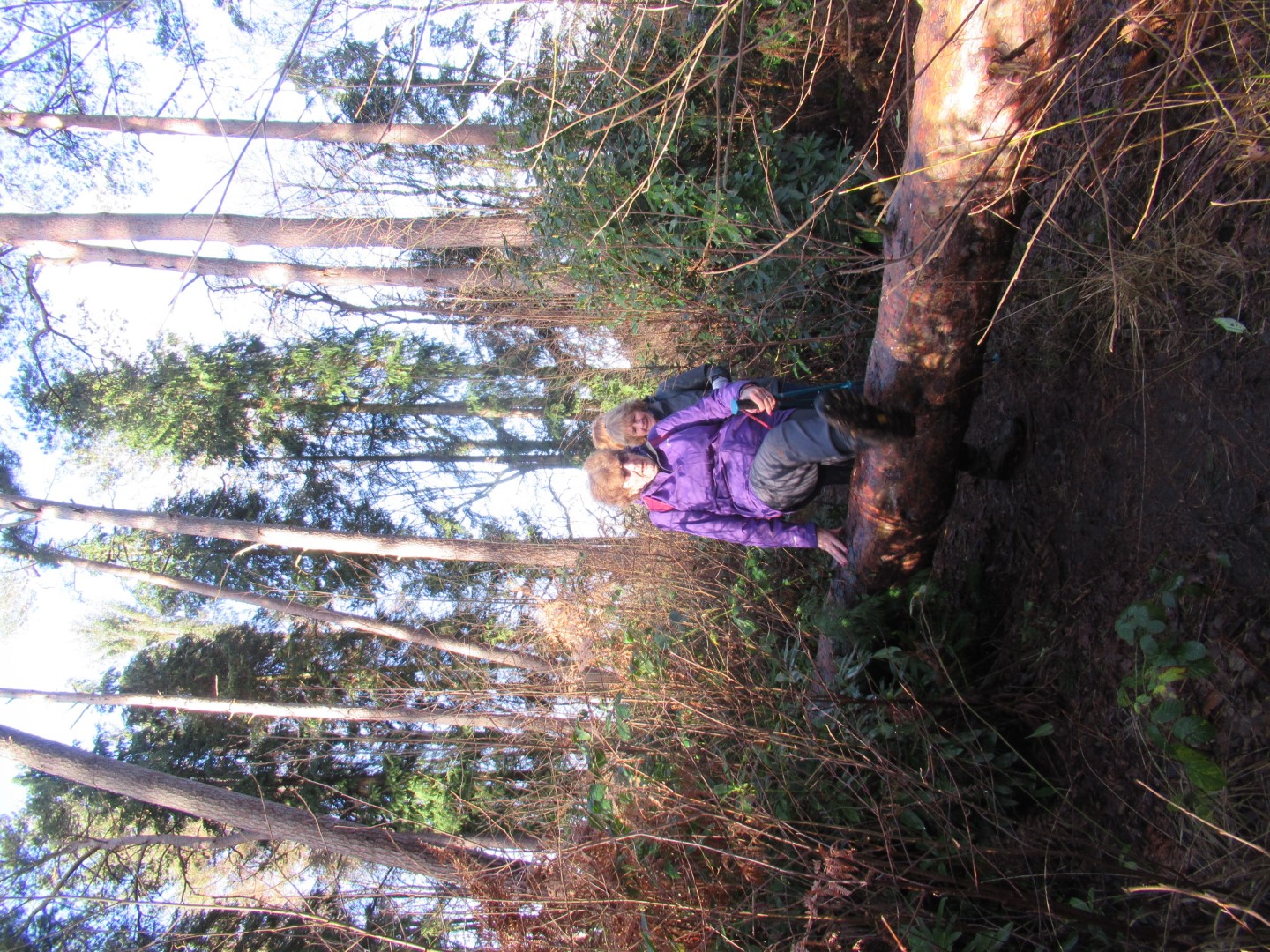
Walking the planks
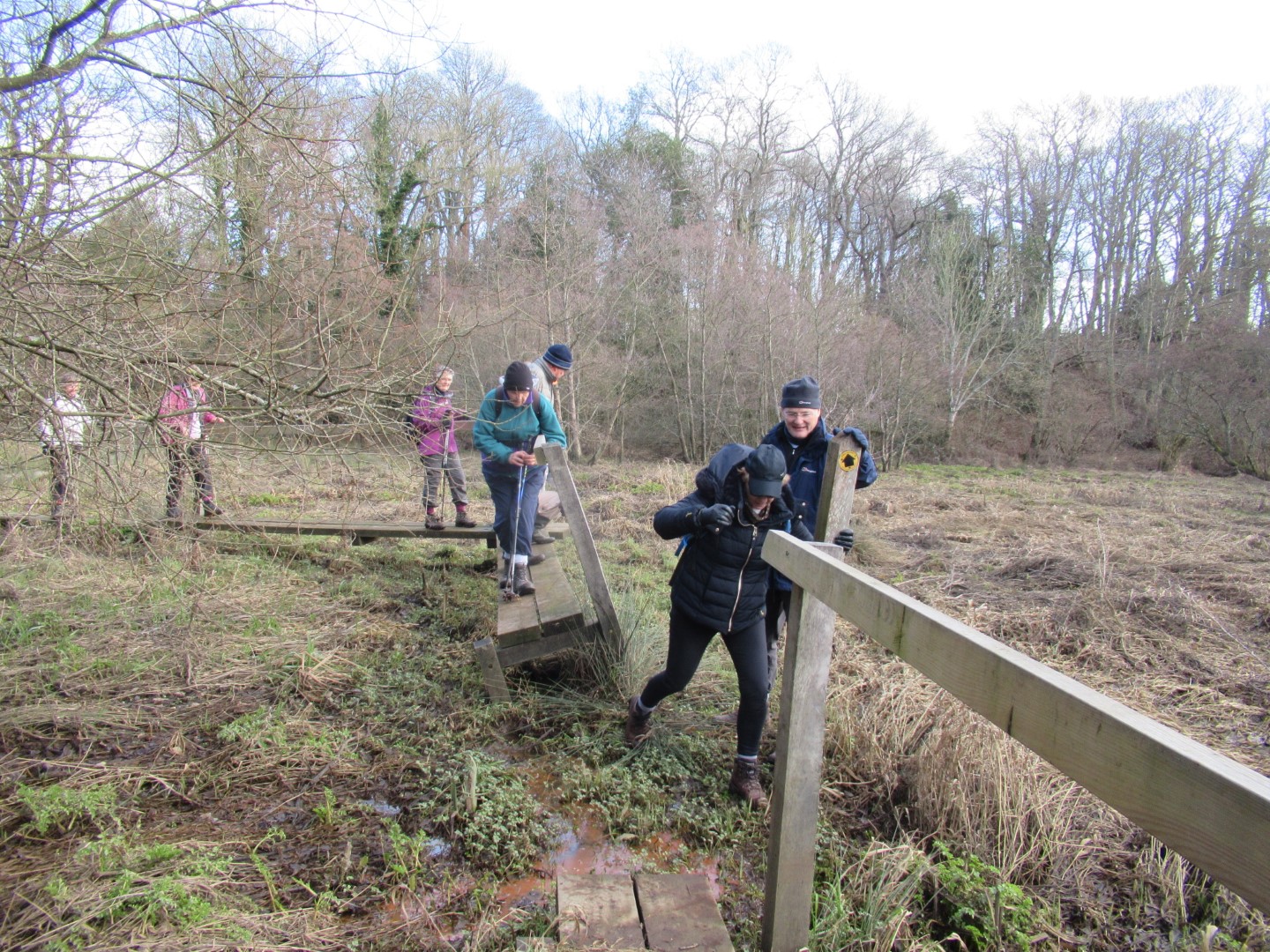
Doing the water meadow waltz
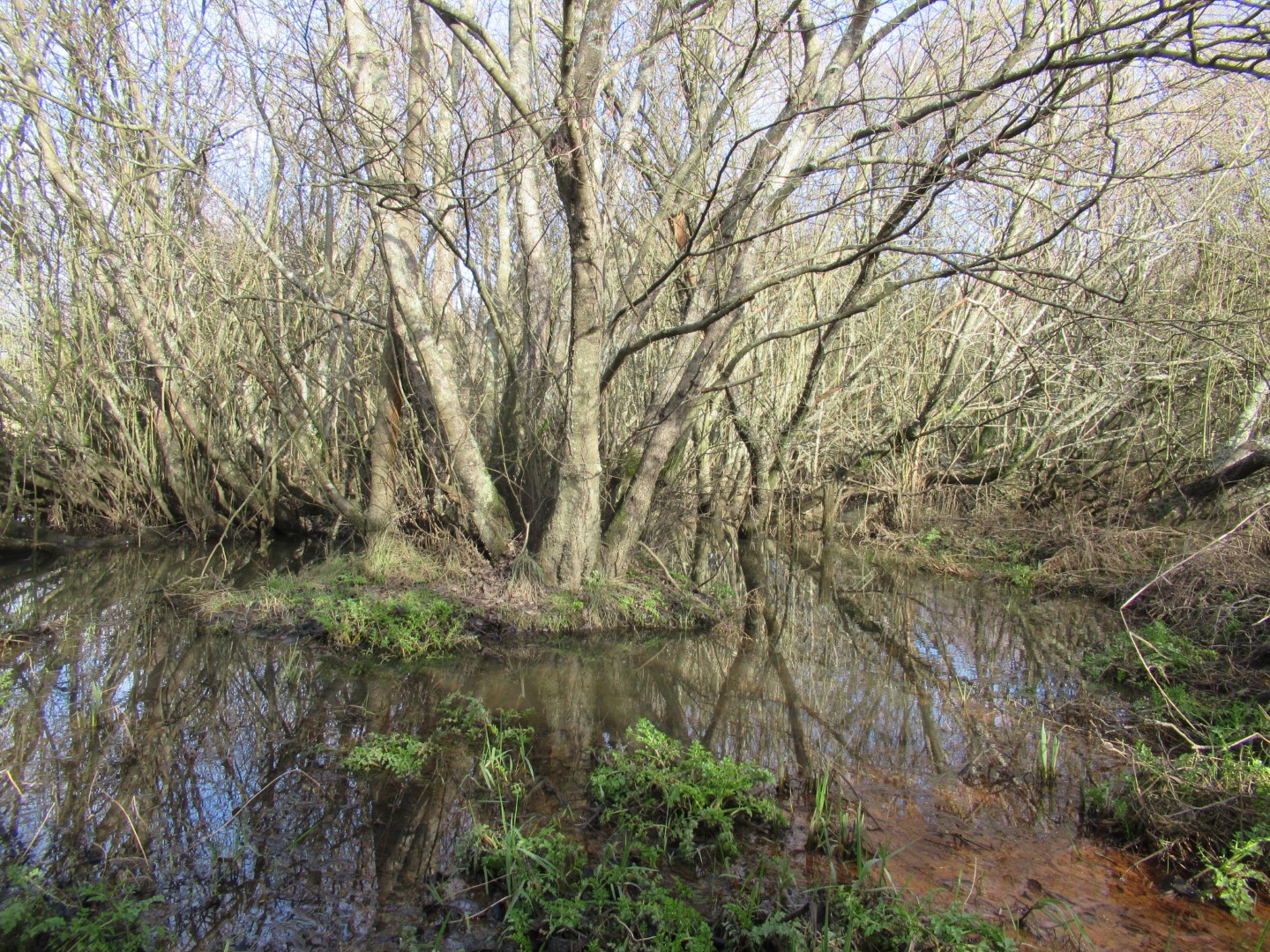
Spot the alligator
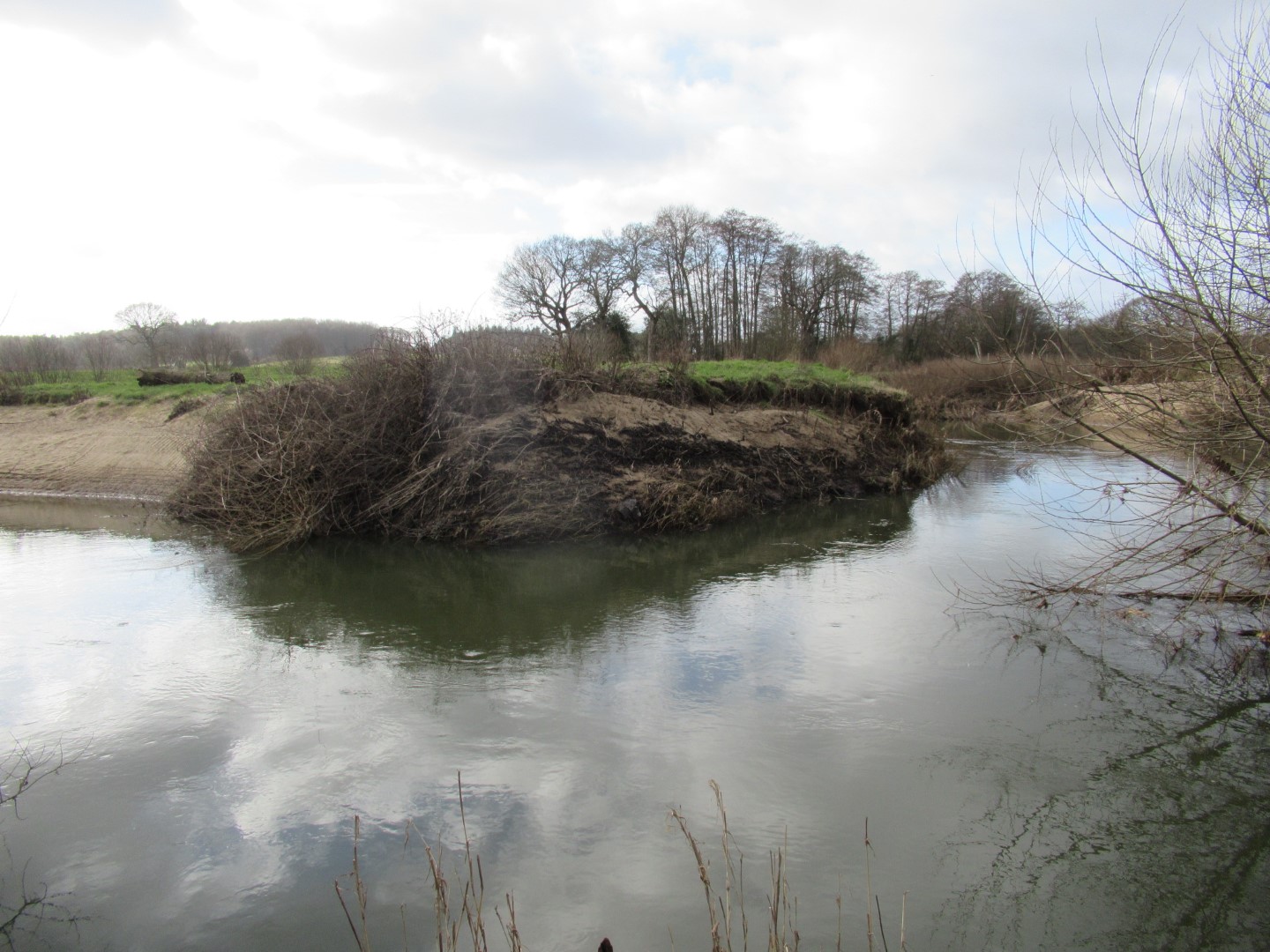
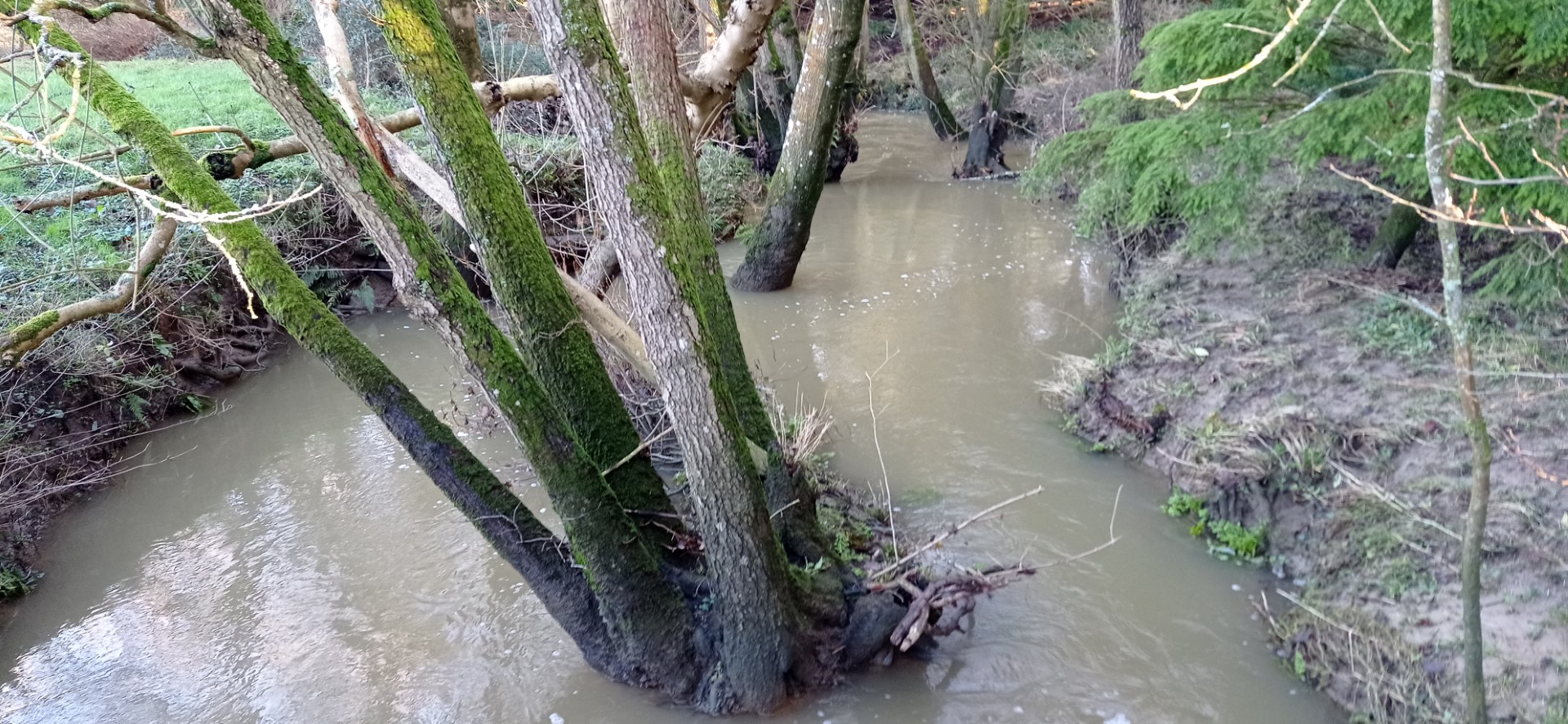
River Rother
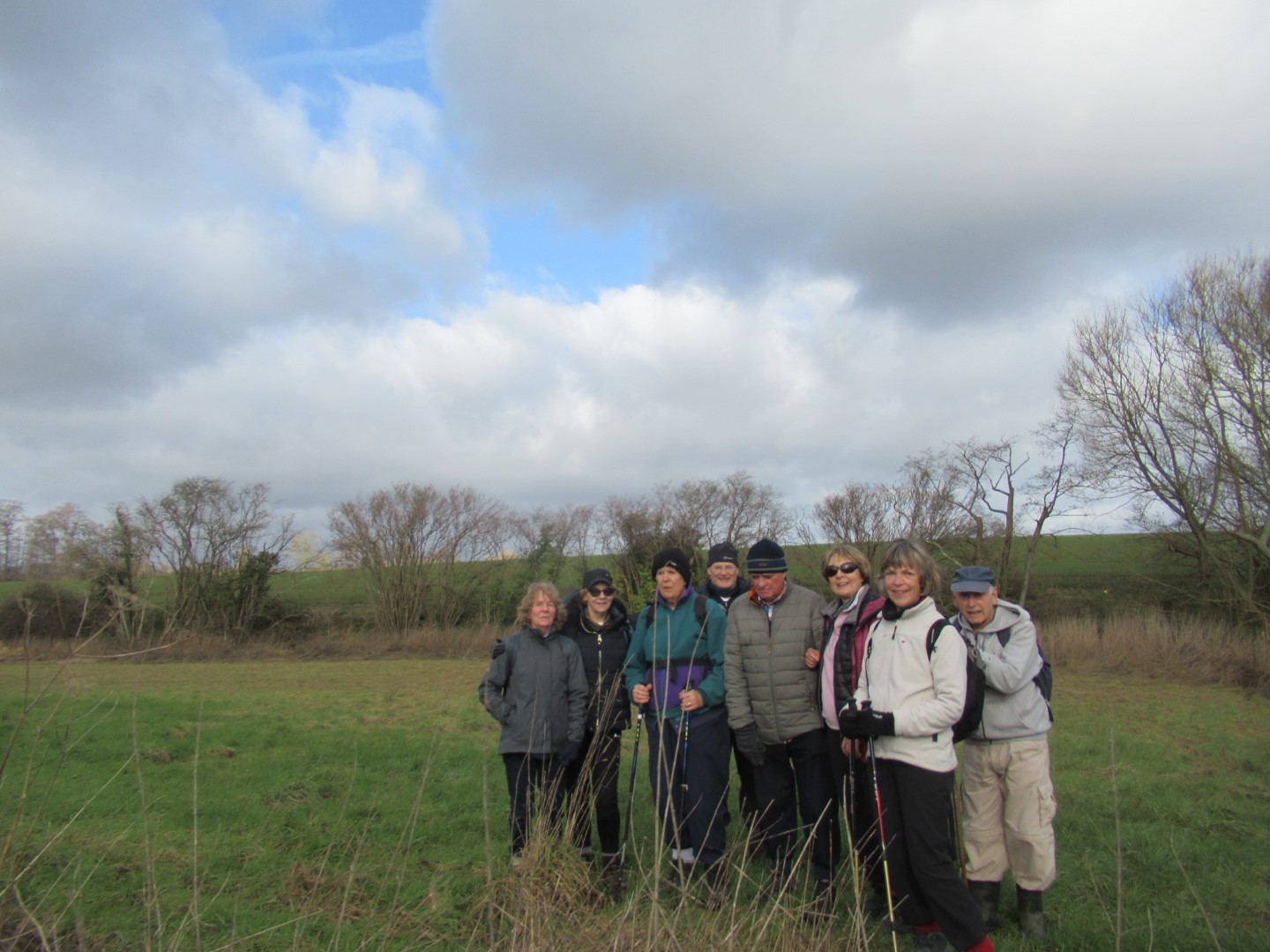
Errr, we think we’ve lost two walkers
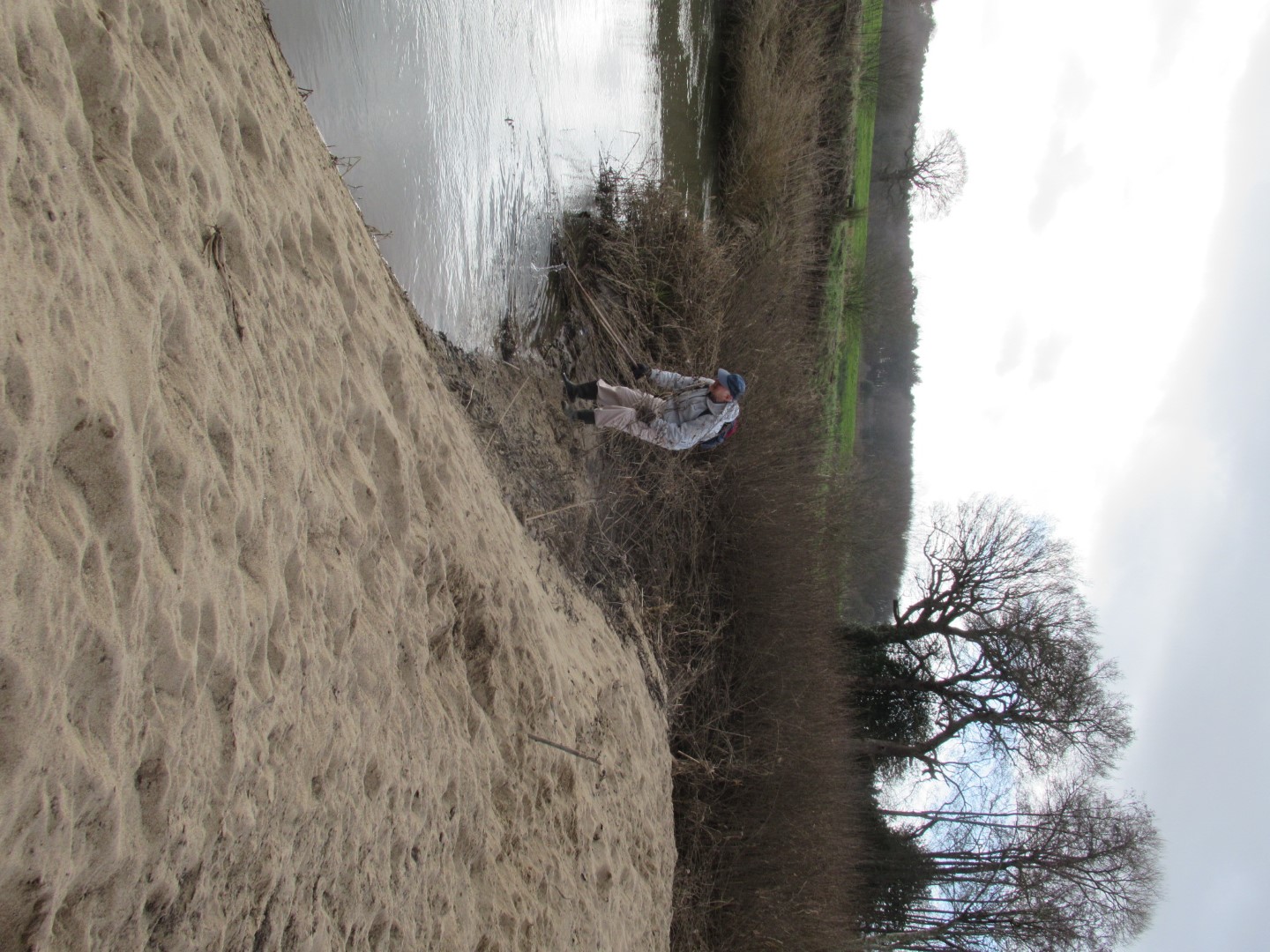
They’re not biting
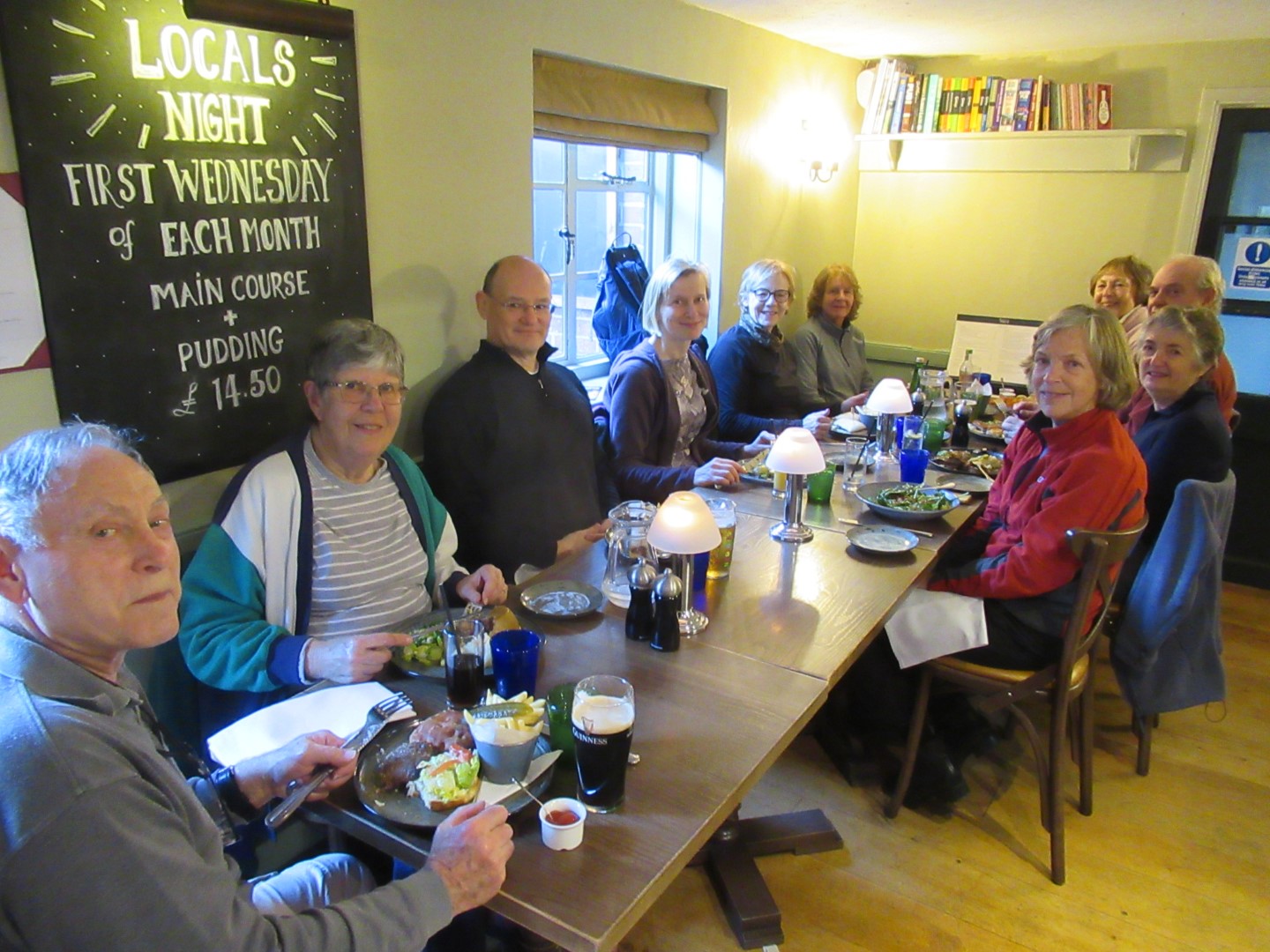
Locals lunch
Rogate walk on 25th January 2023
John and Barbara had a poor day to lead their walk, with cold and icy conditions combined with fog. In spite of the conditions we all had a very enjoyable walk and also welcomed a guest walker, Beverly from Midhurst. Starting out from the Rogate Village Hall car park, we headed north to Fyning Common before crossing the road to Fyning Hill. The walk along Rondle Wood usually produces glimpses of fine views over towards Milland but we could only see the field below! A hunt then began for a suitable coffee stop, but no benches were available so we rested on some fallen trees and branches. At Borden Cross crossroads we turned down Cumber's Lane, finding some early snowdrops at the bottom, to be followed by more early blooms outside the Church in Terwick. Crossing fields we reached Fyning and from there we were soon back in our cars after about 4 miles. We then had lunch at the Sky Park Farm where we had the pleasure of meeting up with some other Footpath Companions. It was quite busy and we had some concern our large group would cause a problem but the staff managed to serve some very nice food in a very efficient manner.
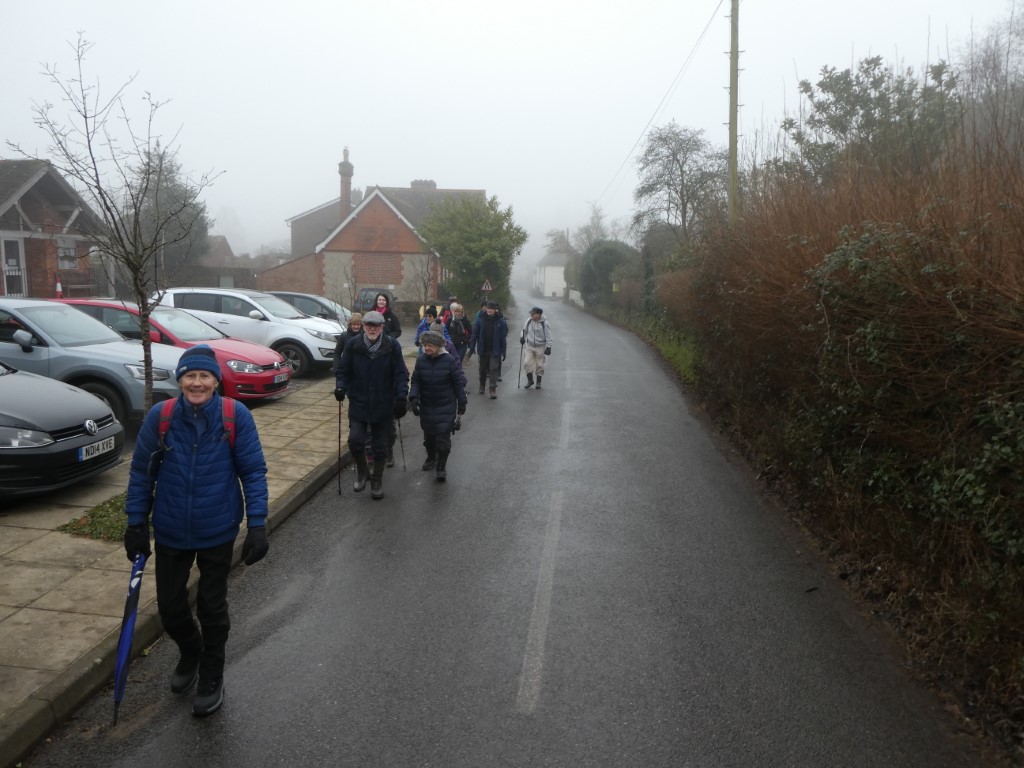
Leaving Rogate village
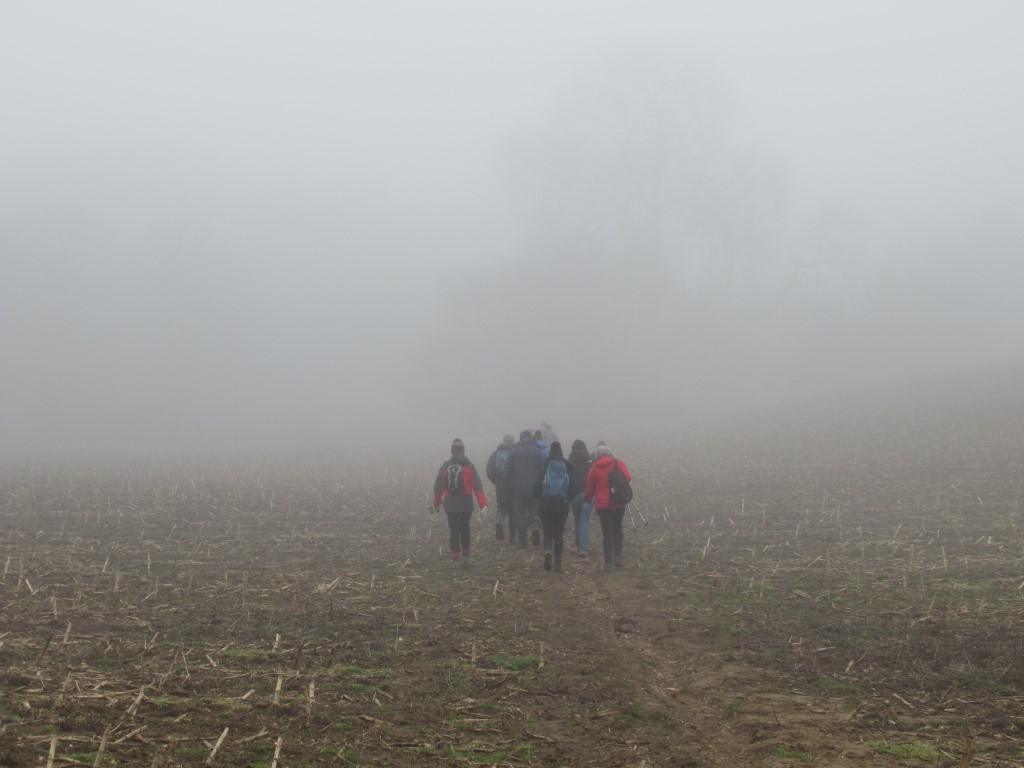
Good job someone knows the way!
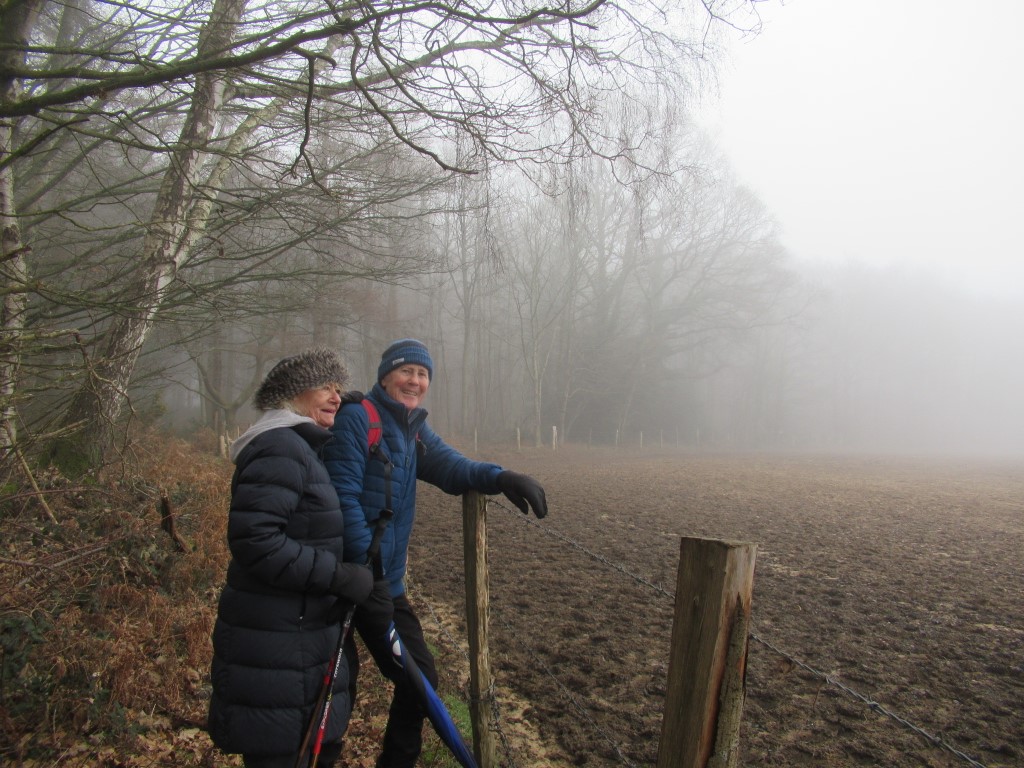
Esteemed walk leaders
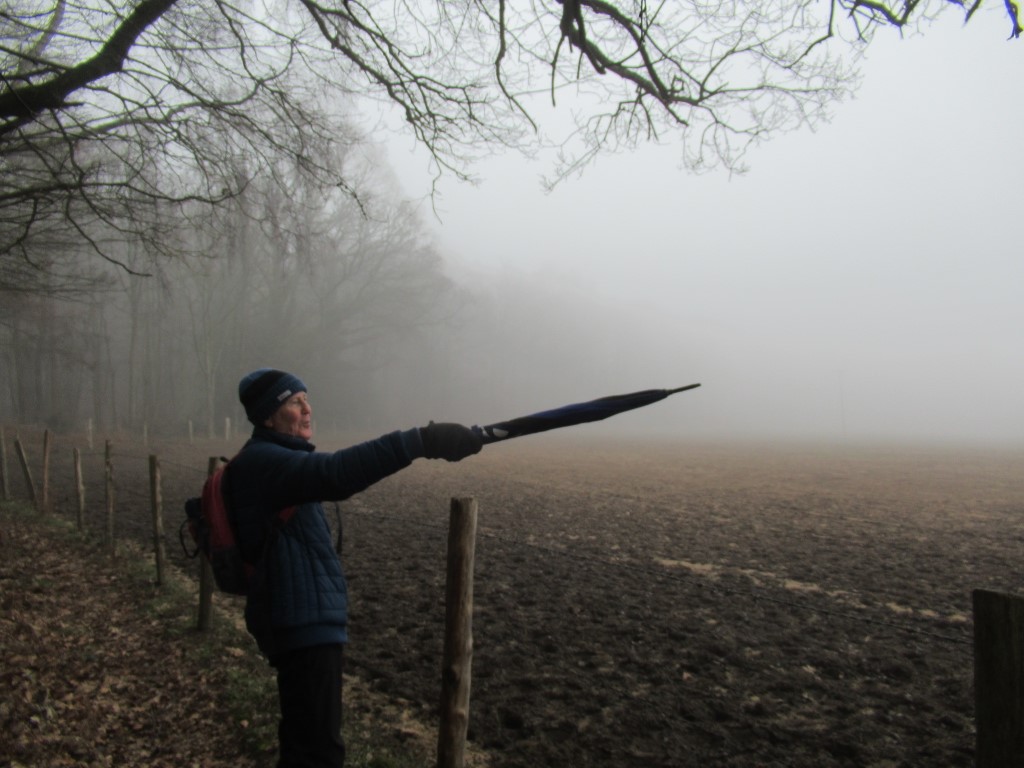
"Look, just over there are the South Downs - no sign of the Spinnaker Tower at the moment!"
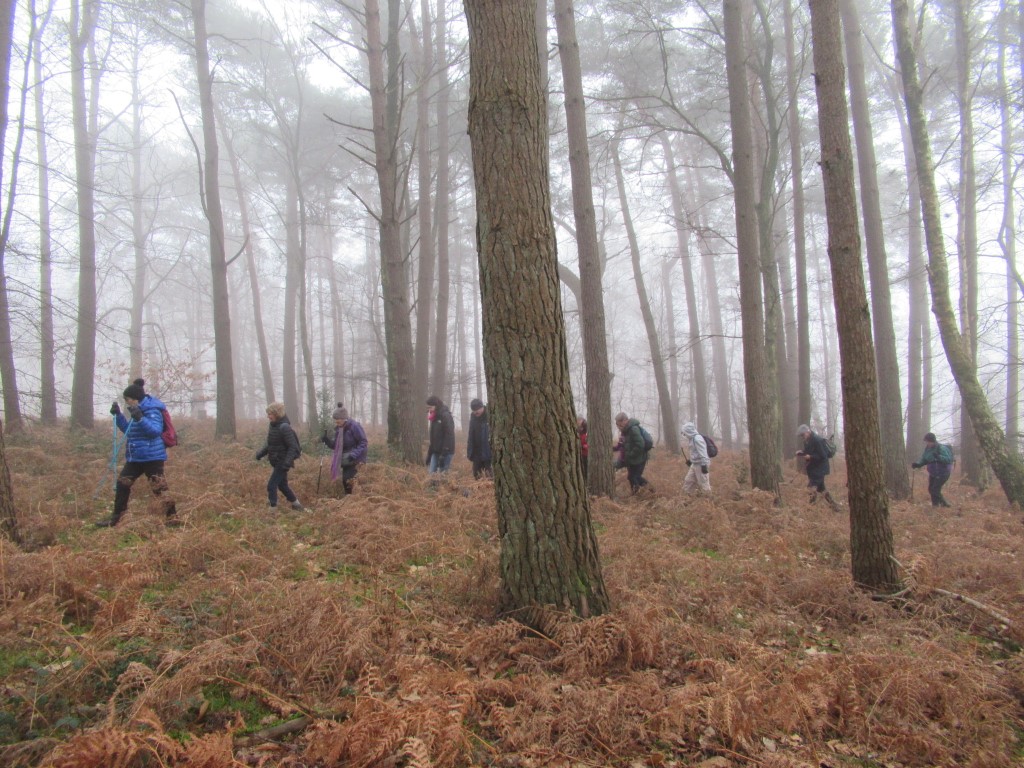
Fyning Wood
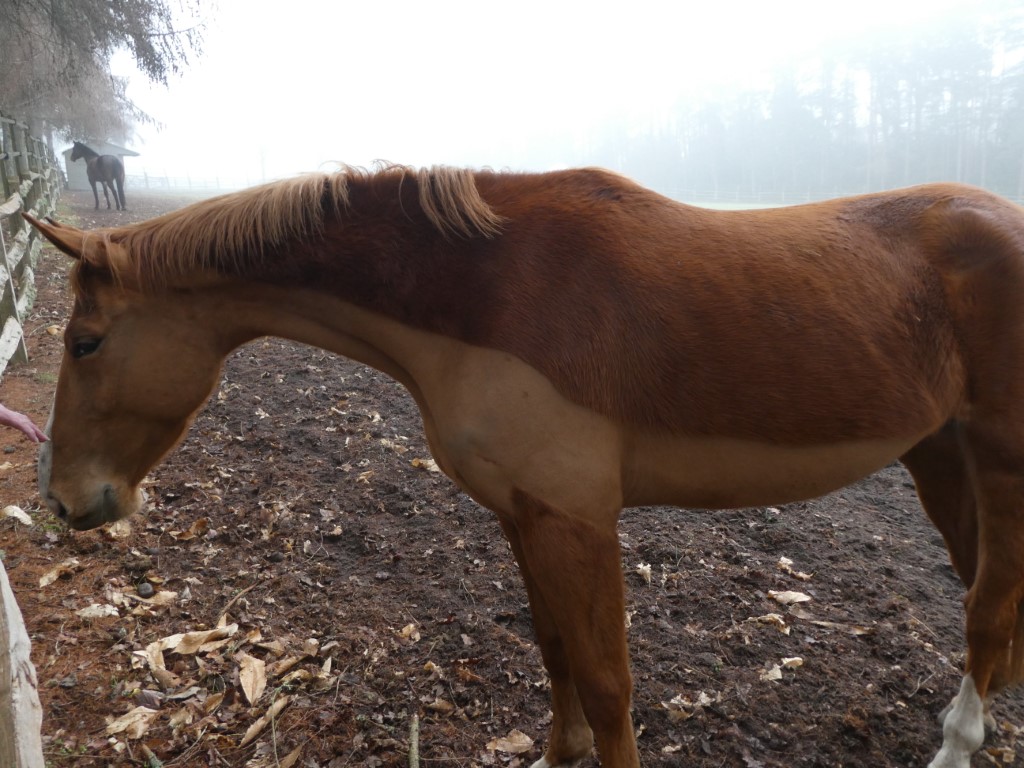
Did the barber run out of time?
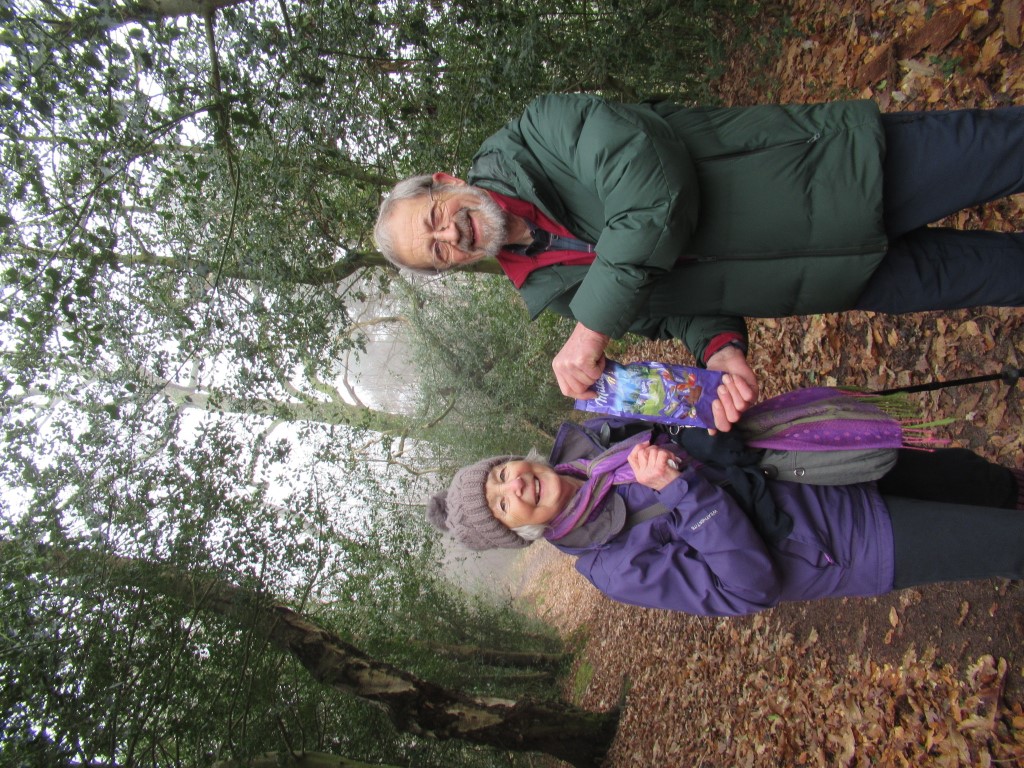
Choccy time.
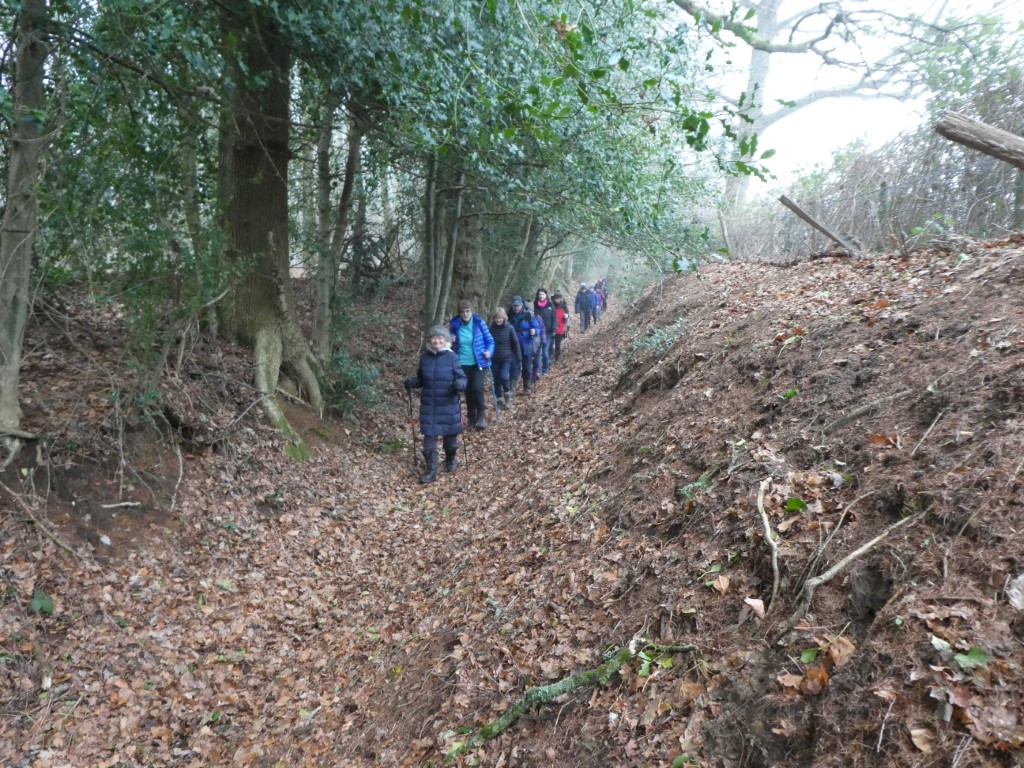
Cumber's Lane
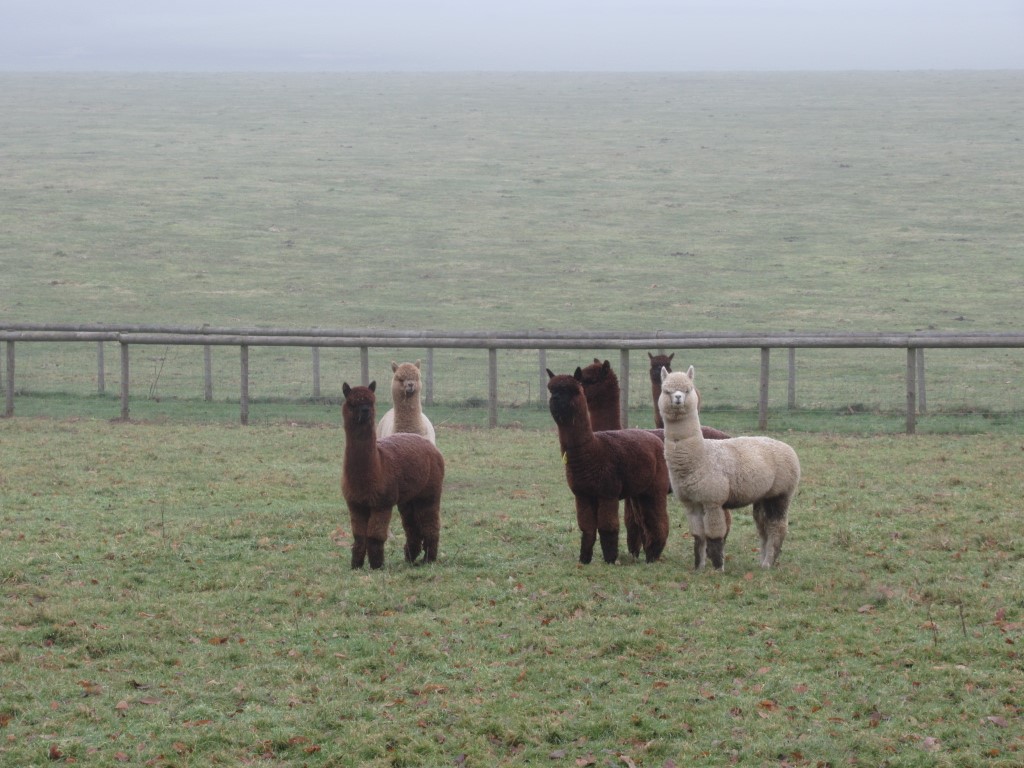
Alpacas next to Cumber's Lane
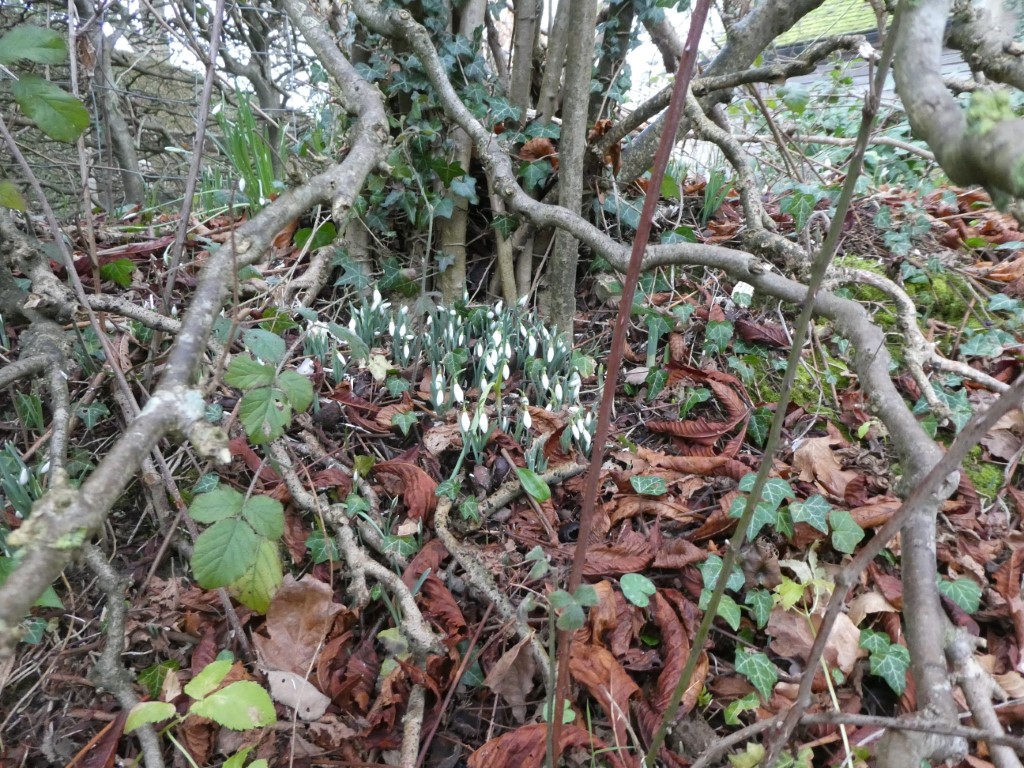
Early snowdrops hiding in the hedge
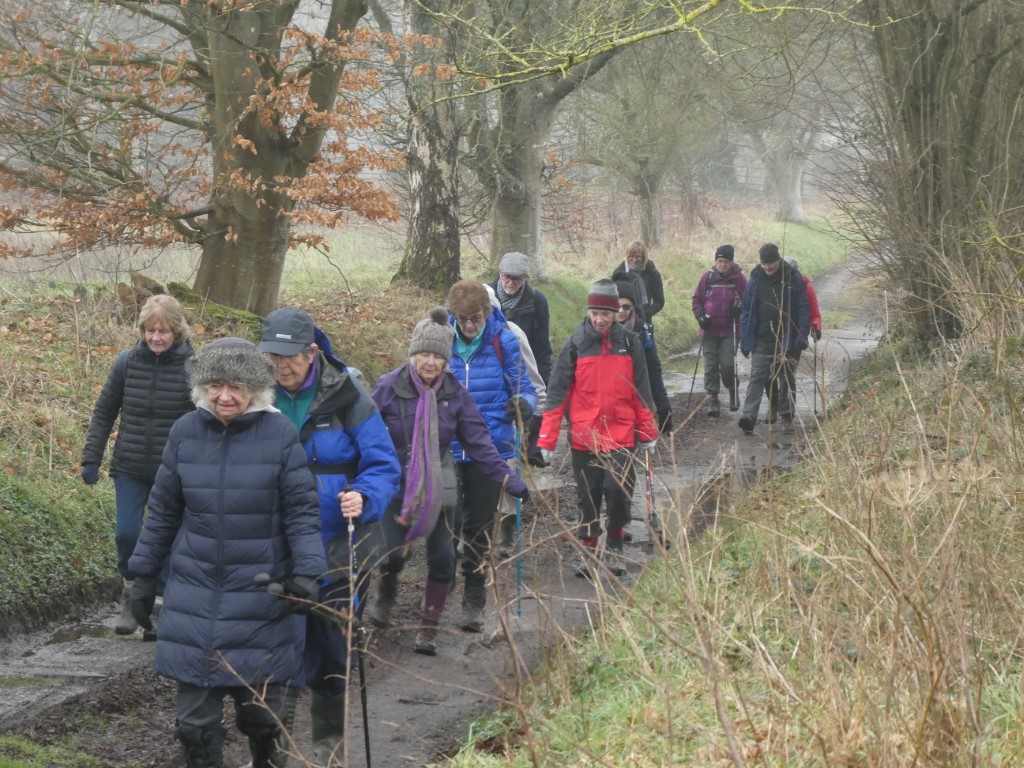
Brief spell on what used to be the A272
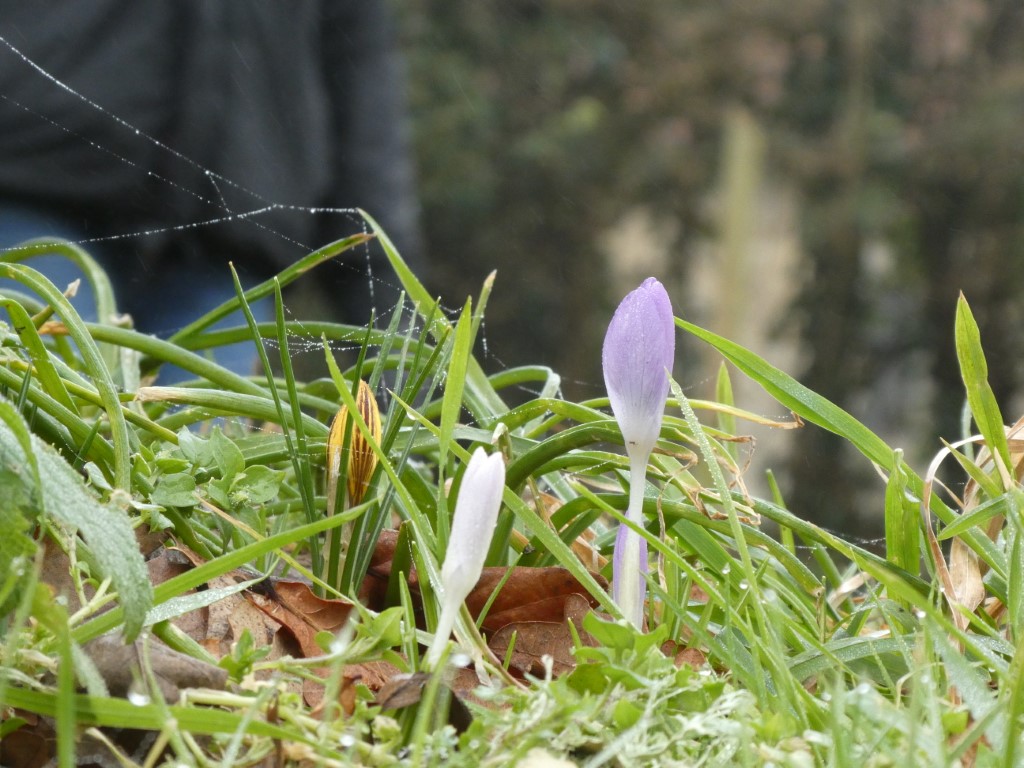
More flowers near the church
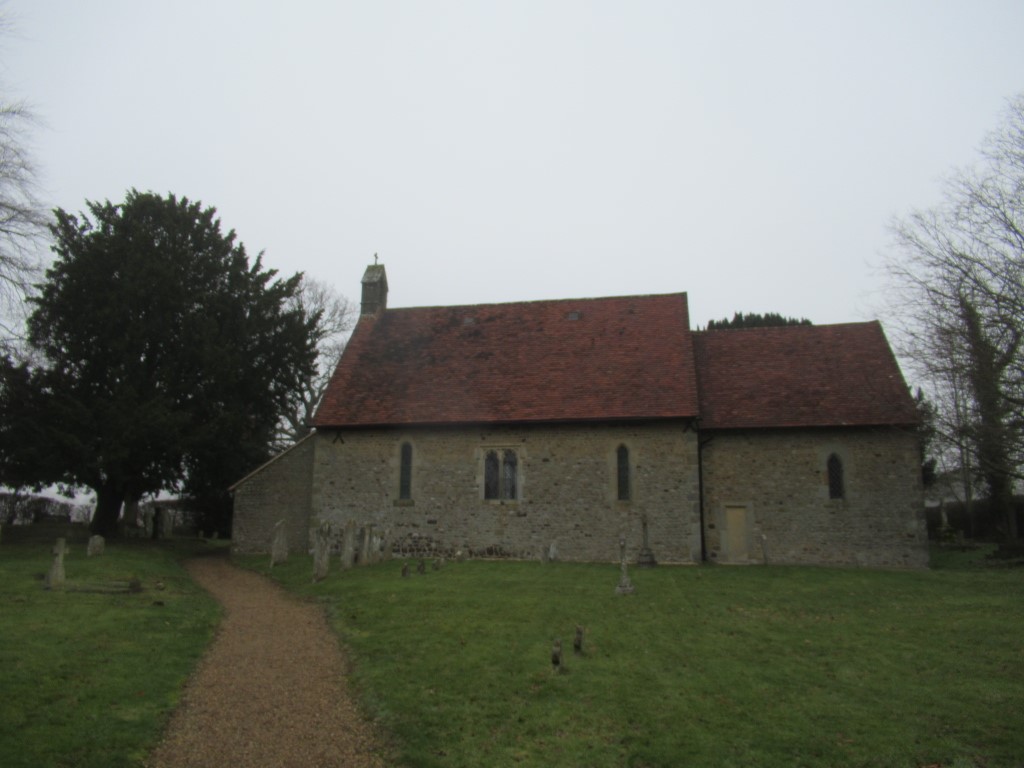
St Peter's Church, 12th Century.
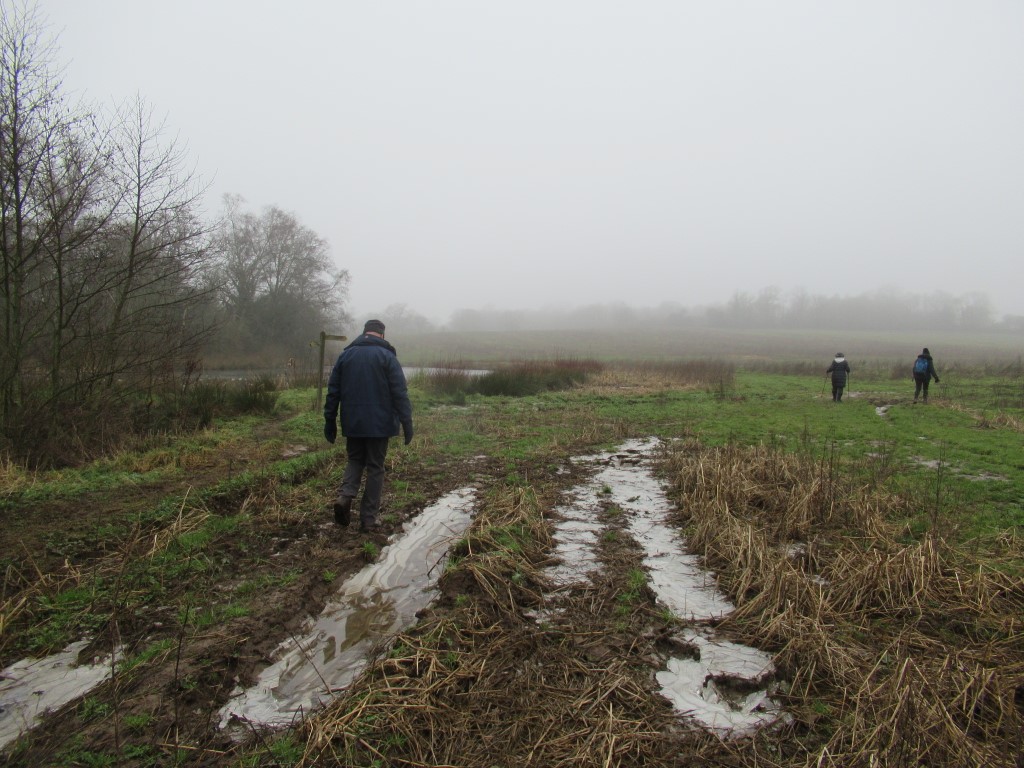
Plenty of ice still in the fields
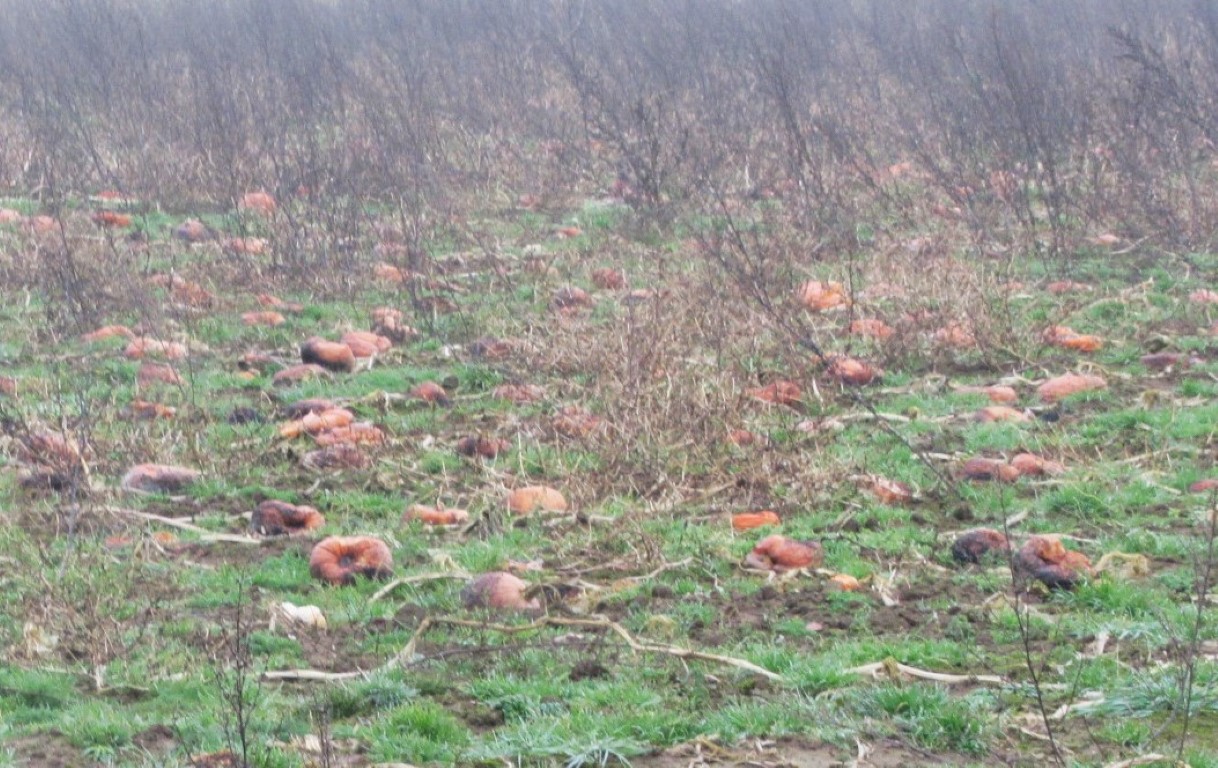
Sad Pumpkins well past their sell-by date.
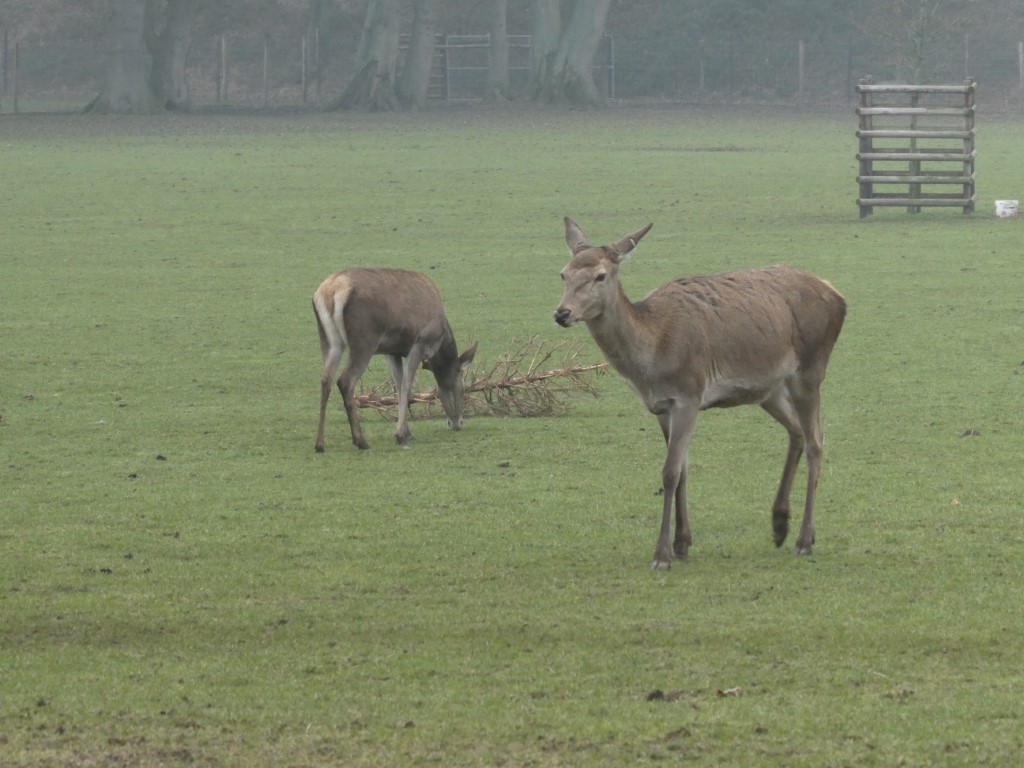
Sky Park Farm deer
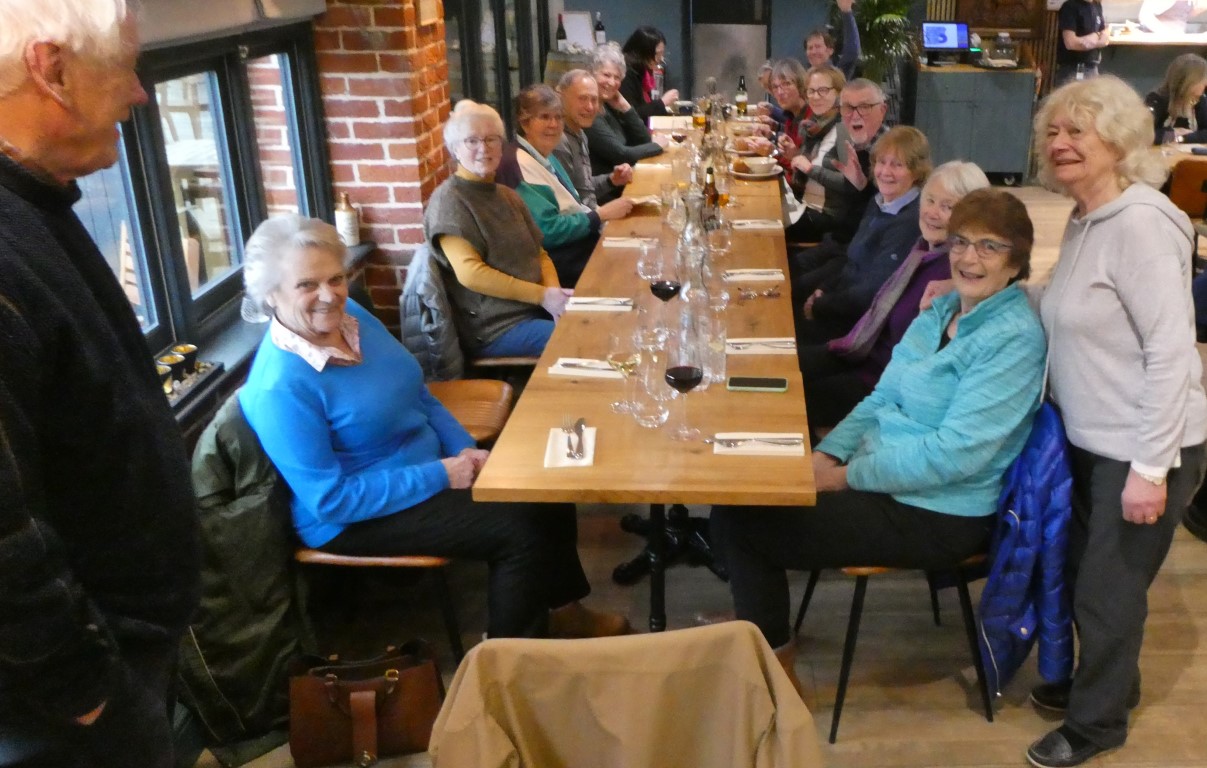
Happy walkers needing feeding
Lurgashall walk on 18th January 2023
The 5.3 mile walk was led by Sally with expert pre walk preparation from Lurgashall. The name Lurgashall means Hall of Leotegar. Leotegar was a Saxon who settled on the site in around 495 AD. His descendants built St Laurence’s Church, which is beside where we started the walk. There had been a heavy frost during the night with all walkers prepared for some good scenery and the odd bit of impromptu skating. Starting at The Noah’s Ark Inn, which is said to have acquired its unusual name because patrons crossing the pond outside the door gave the impression of animals crossing into the Ark. The pond is long gone so we walked on terra firma across the green, past the village shop and down Mill Lane when we took a short cut across some meadows. This meadow was the site of our first synchronised slips, but both participants bravely returned to the fray. Returning to Mill Lane, a right turn took us to Mill Pond where we were impressed by the ducks swimming around the ice, and a natural ice stalactite sculpture. At Mill Farm we crossed fields towards Lickfold but turned north west before we got there so we could see if The Three Horse Shoes (aka The Lickfold Inn) would tempt us to stop. It was too early to succumb so we skated across the ice on the road on Lickfold Road. A left turn took us east across fields, woods and across a stream eventually arriving at Hoewyck Farm and onto the Lickfold Road again where Kathryn demonstrated her Dancing on Ice moves with a terrific recovery. We stopped for a coffee break at a thoughtfully placed bench and table on Upperfold Farm where the generous owner had given Sally her permission to stop there. After coffee we headed north east across meadows, through woods, across streams to the edge of The Blackdown Estate down to Jobsons Lane by the site of what had been the Lurgashall Winery. We stopped and talked with a local tree surgeon and wood sculptor who was sculpting a family crest by eye out of an old ash tree stump. Heading west across Windfallwood Common we turned south through Spring Coppice to view the spire of St Laurence’s Church and into The Noah’s Ark for a well earned and delicious lunch and banter.
.png)
All checks complete, and we’re off
.png)
Enjoying the sunshine and frost
.png)
Crossing the meadow
.png)
So this is the mounting block but where is the horse?
.png)
The intrepid team
.png)
Swimming around the ice.
.png)
The ice sculpture Sally prepared earlier for us
.png)
Clear blue sunny sky and hard frost
.png)
OK, we're going that way
.png)
Walk on the edge or break the ice?
.png)
Dancing on Ice, and now for the triple somersault
.png)
Coffee break
.png)
It’s easier getting on a horse I can assure you
.png)
The home straight with St Laurence’s spire over the apple orchard
.png)
Lunch at The Noah’s Ark
.png)
About 5.3 miles
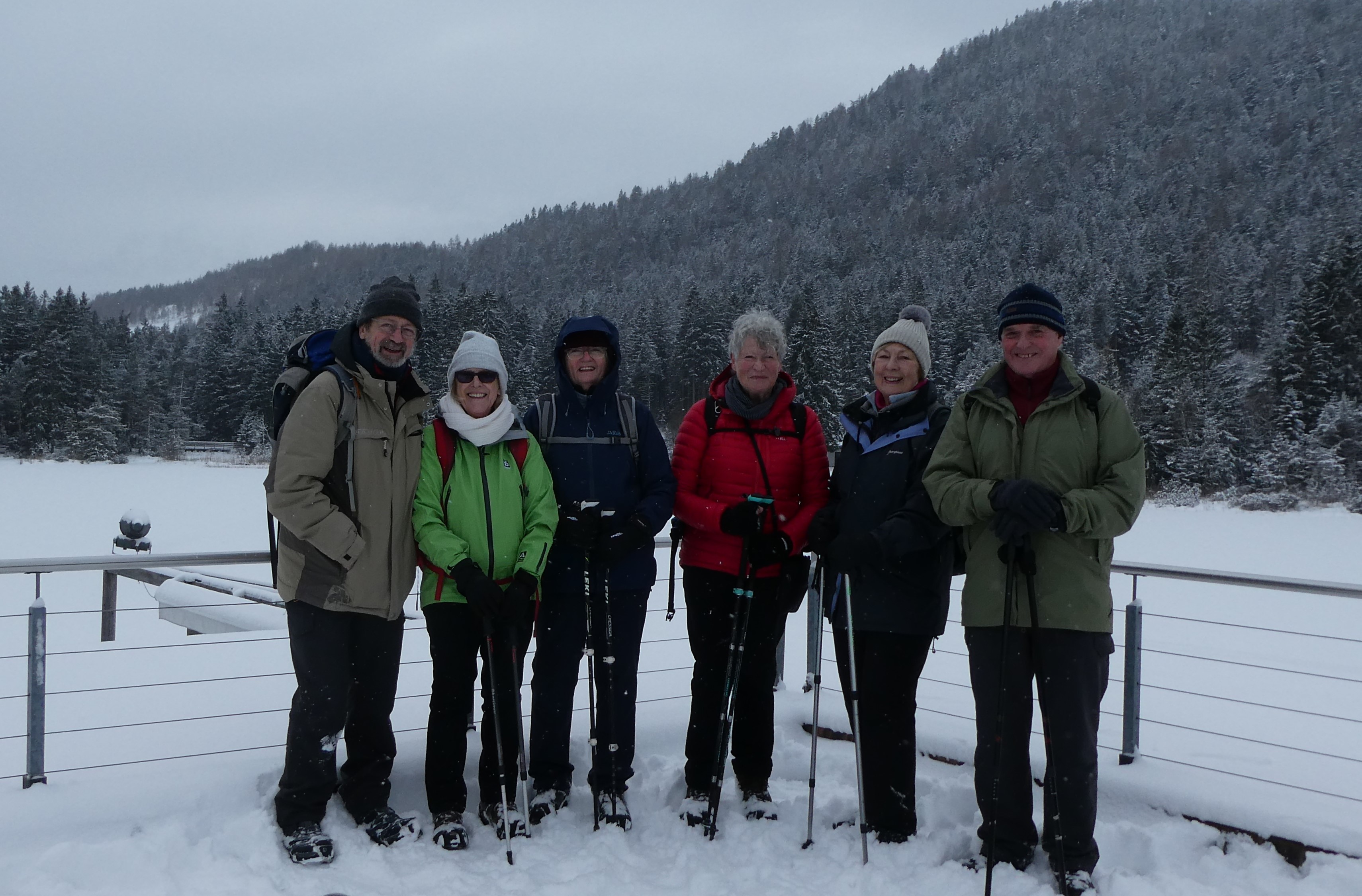
Unfortunately some walkers were unable to get to the Noah's Ark in time.
Stedham walk on 11th January 2023
The year has certainly got off to a wet start. Pauline's walk was mostly on sandy terrain but that didn't mean we didn't have to do some puddle jumping. After meeting in Stedham at the Hamilton Arms we set off to cross the A272 to reach Stedham Commom where we joined the Serpent Trail for a short distance. We left the Serpent trail where it crosses a Roman Road - however, the lack of chariots meant we were quite oblivious to this piece of history. Fitzhall Heath and Plantation were followed by Fitzhall itself, which consists of 2 or 3 cottages in amongst some farmland. Shortly after we passed the remains of a giant sandpit, not visible at all but in any case we were busy navigating a long stretch of waterlogged path, fortunately bordered by some dense rhododendron with dry tunnels amongst the foliage. Our route then meandered through the Severals before crossing the A272 once again and then onto the Polo Field constructed by Kerry Packer. Through the village and we were once again at the Hamilton Arms where we enjoyed some very good Thai food.
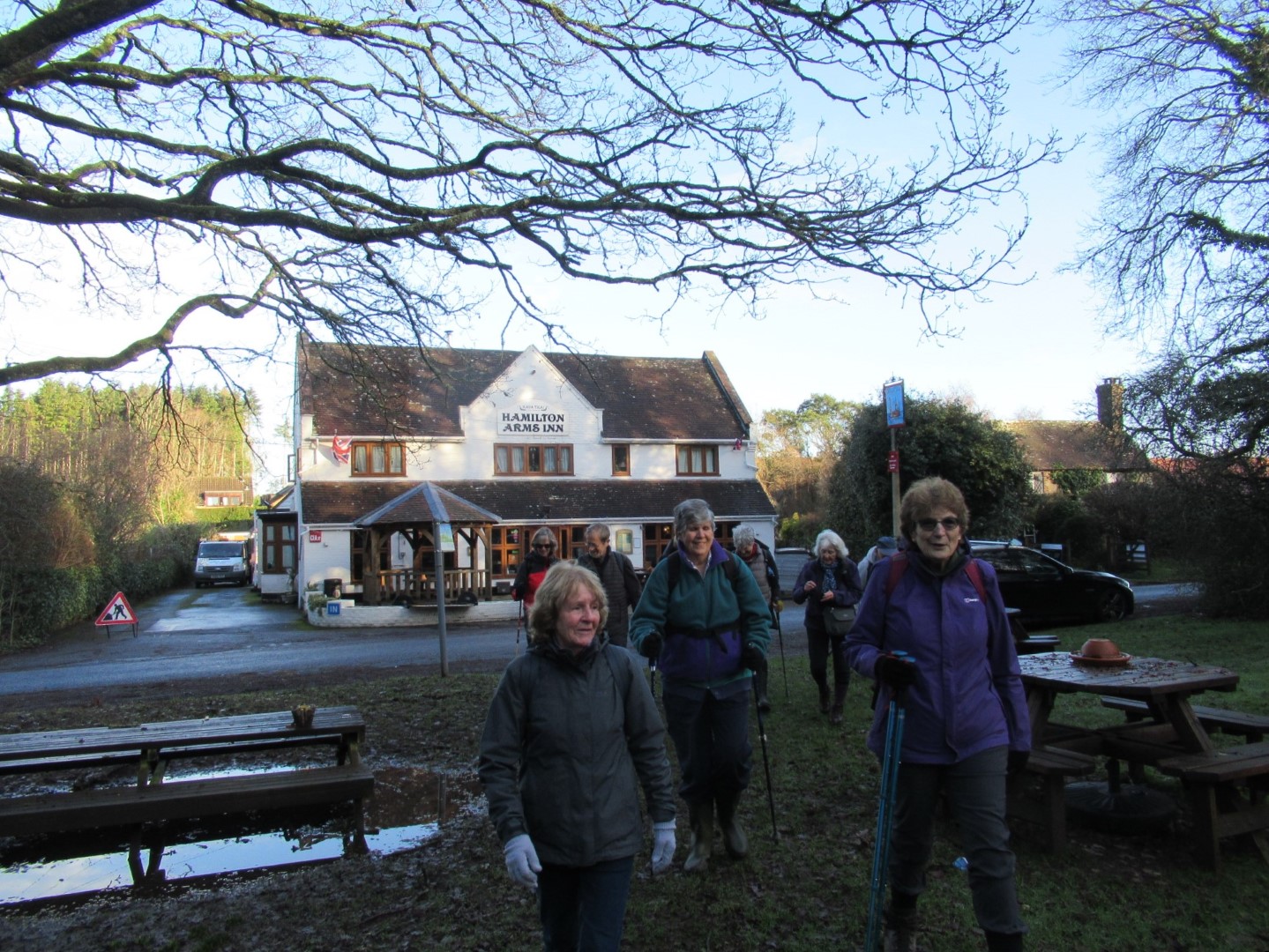
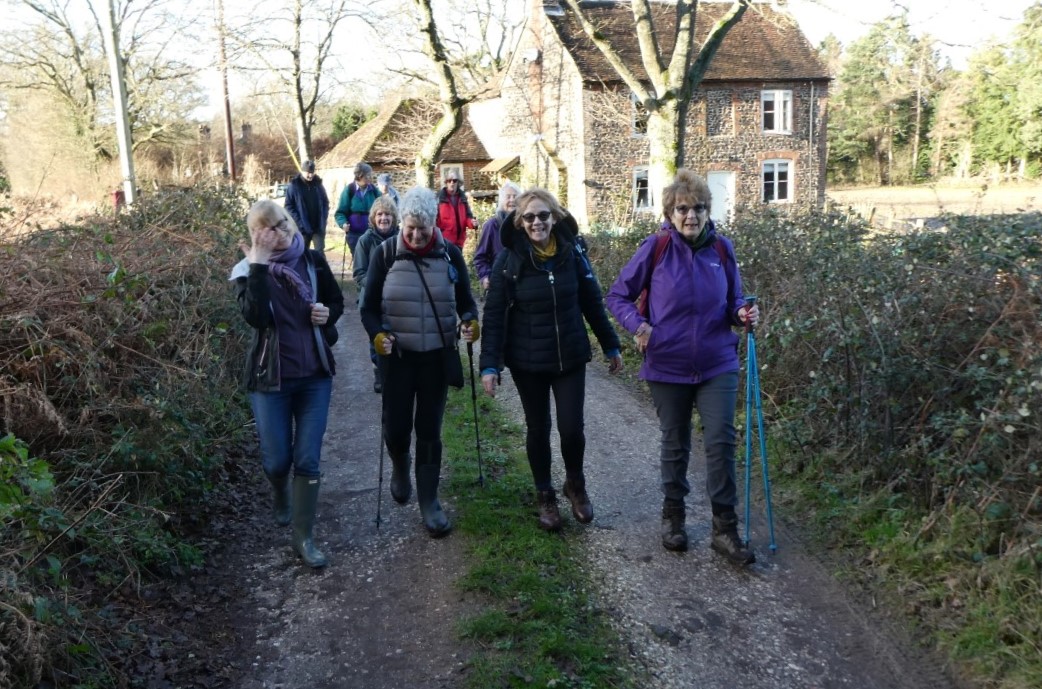
Setting out
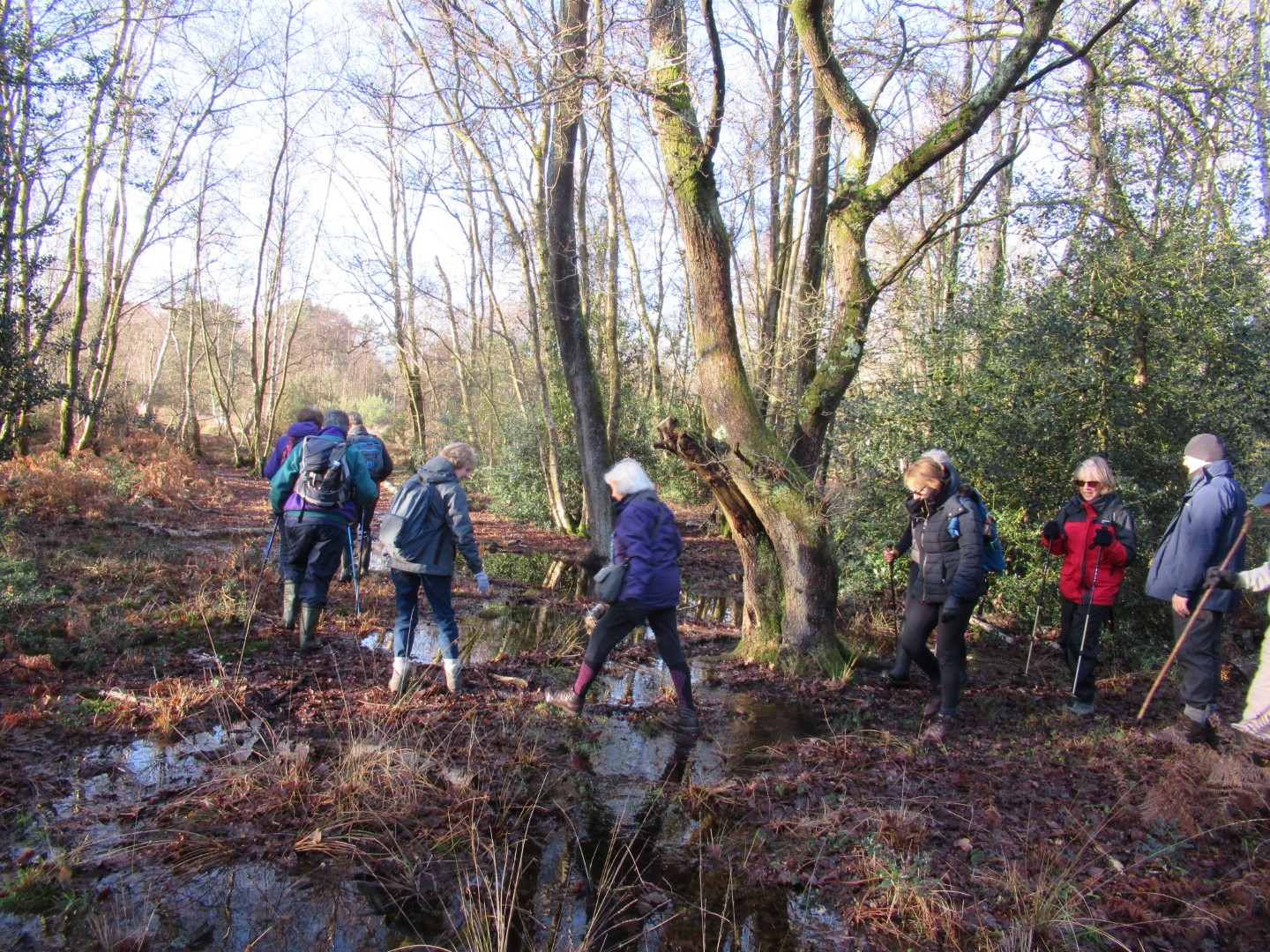
Stedham Common proved challenging in places
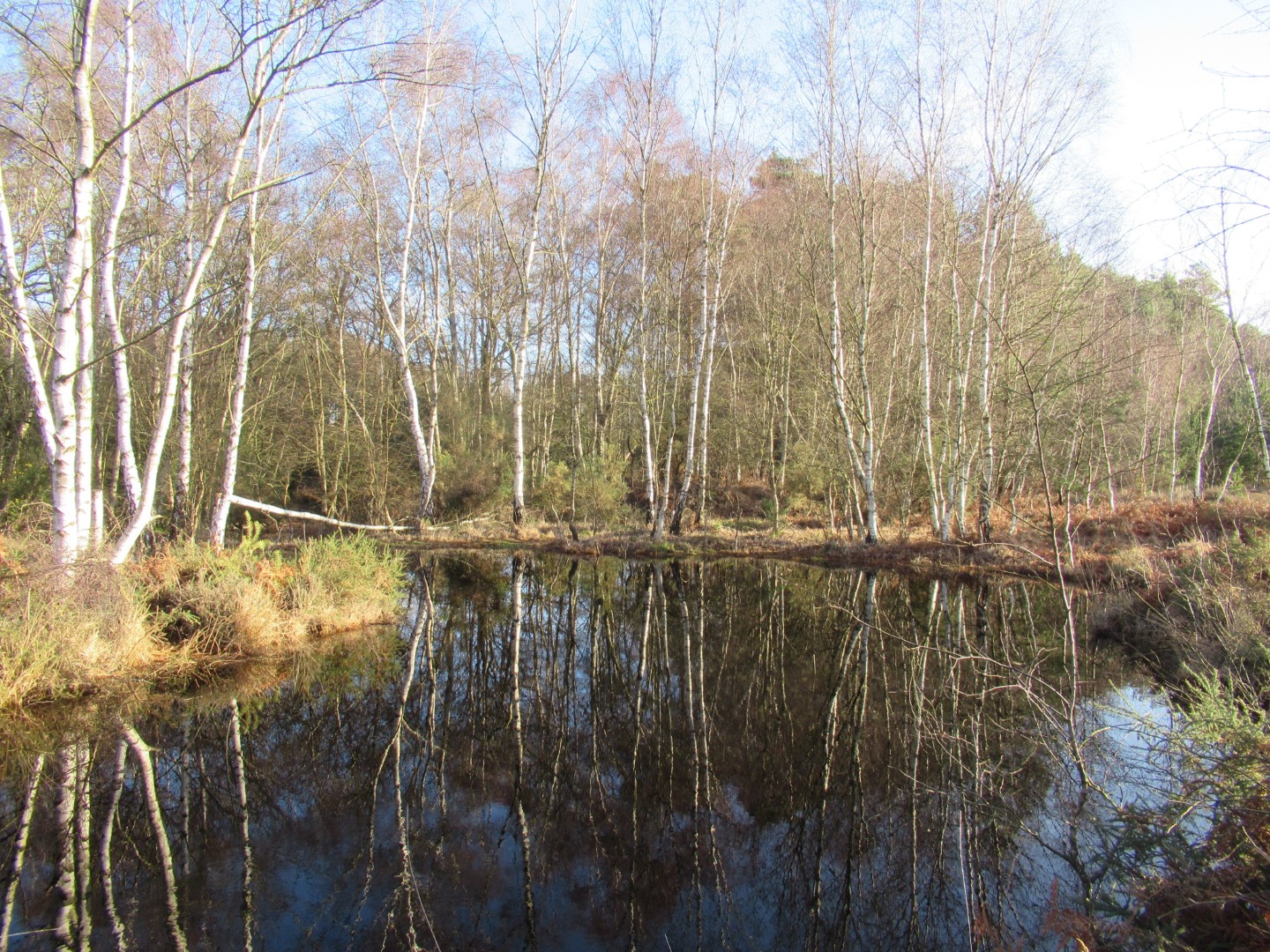
Luckily this wasn't the path
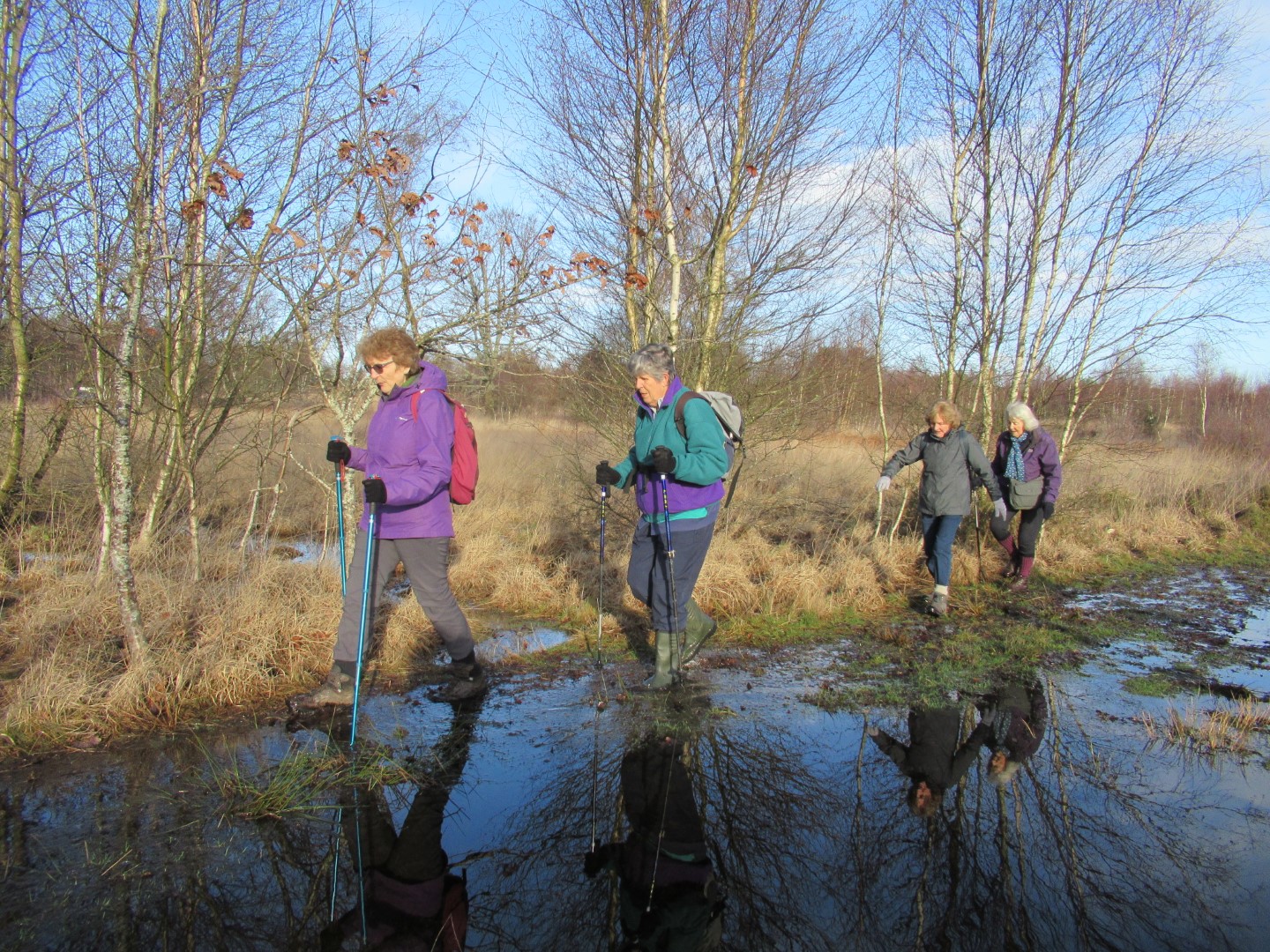
Some boots are made for walking, especially wellingtons!
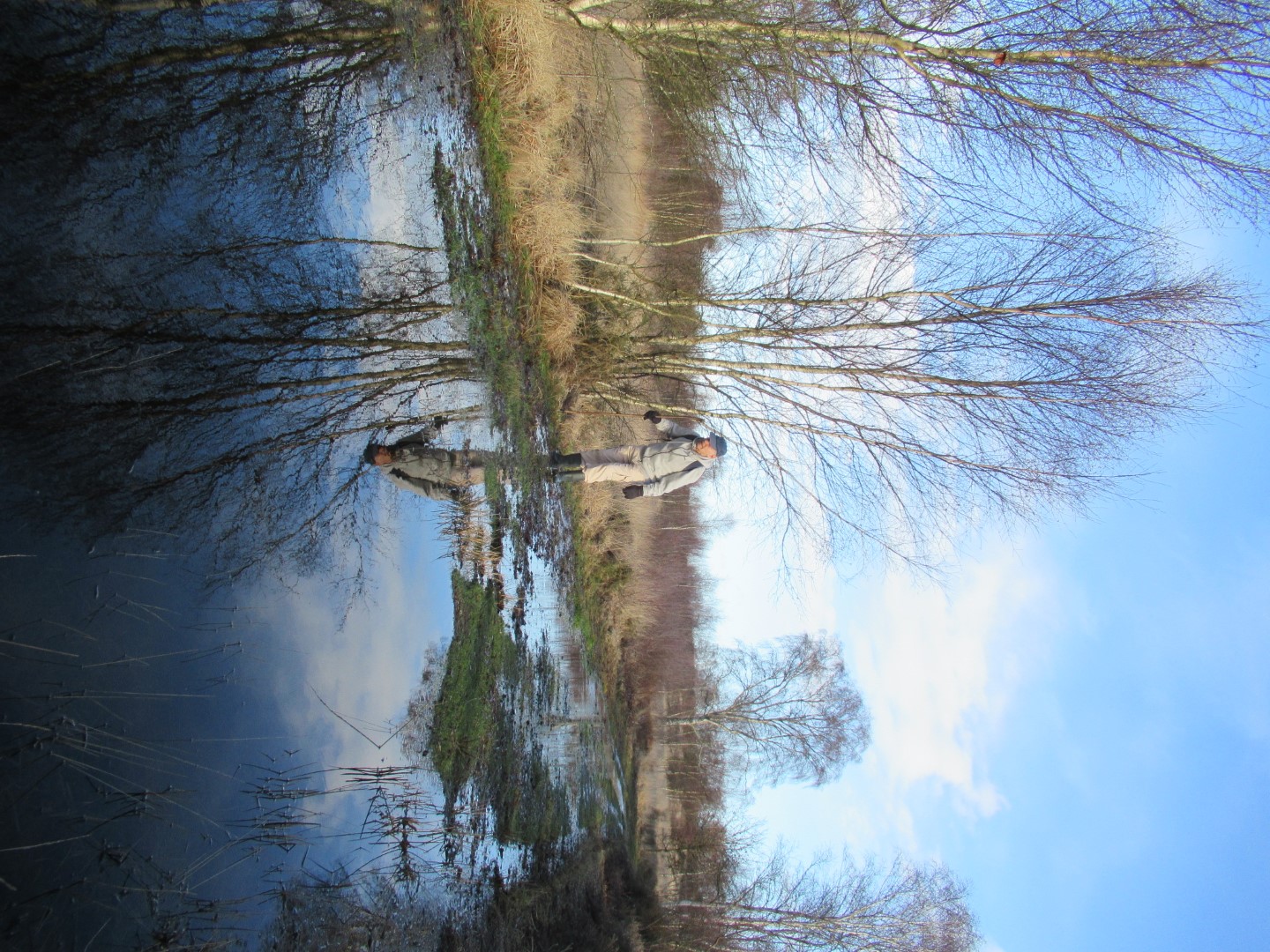
Fitzhall Heath
Thank goodness, no water here.
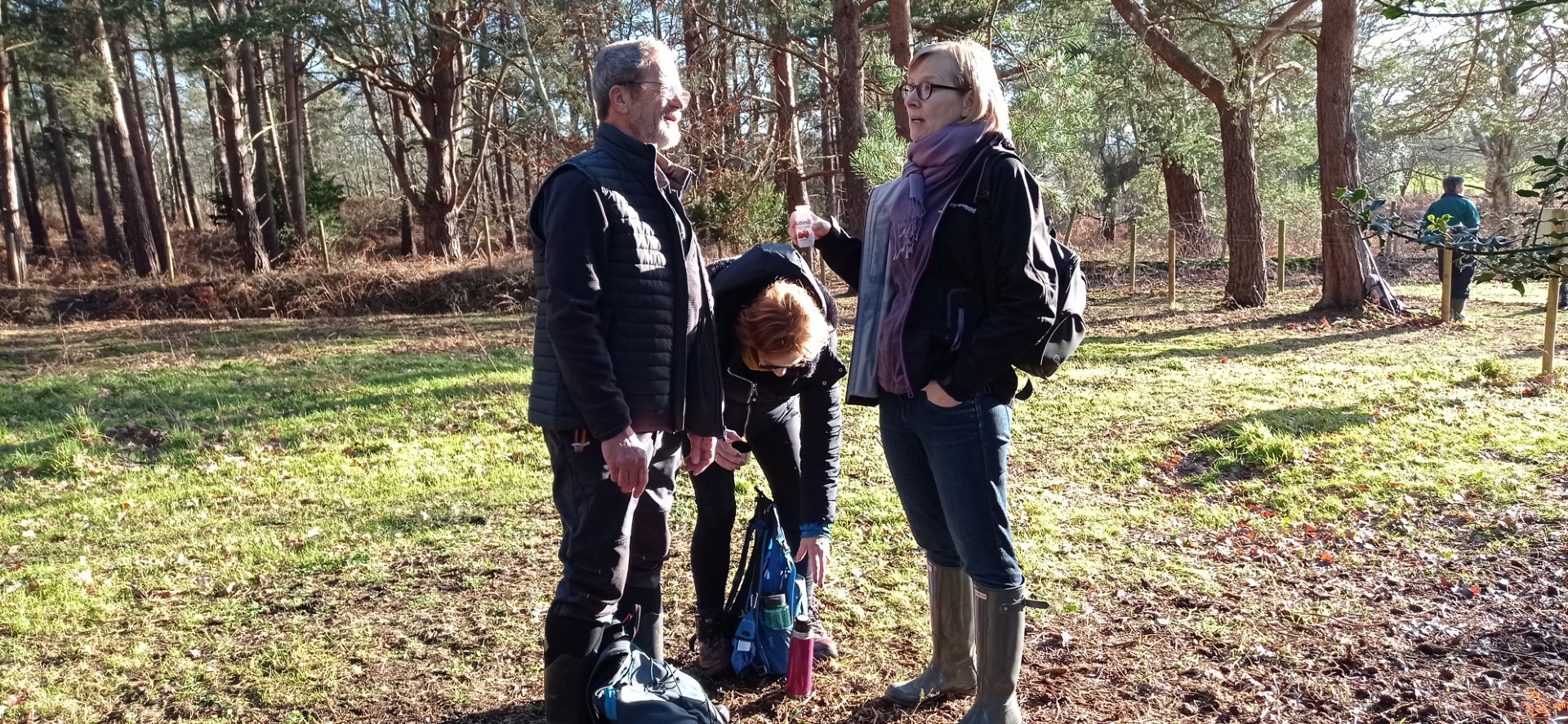
Coffee stop, let's find some biscuits
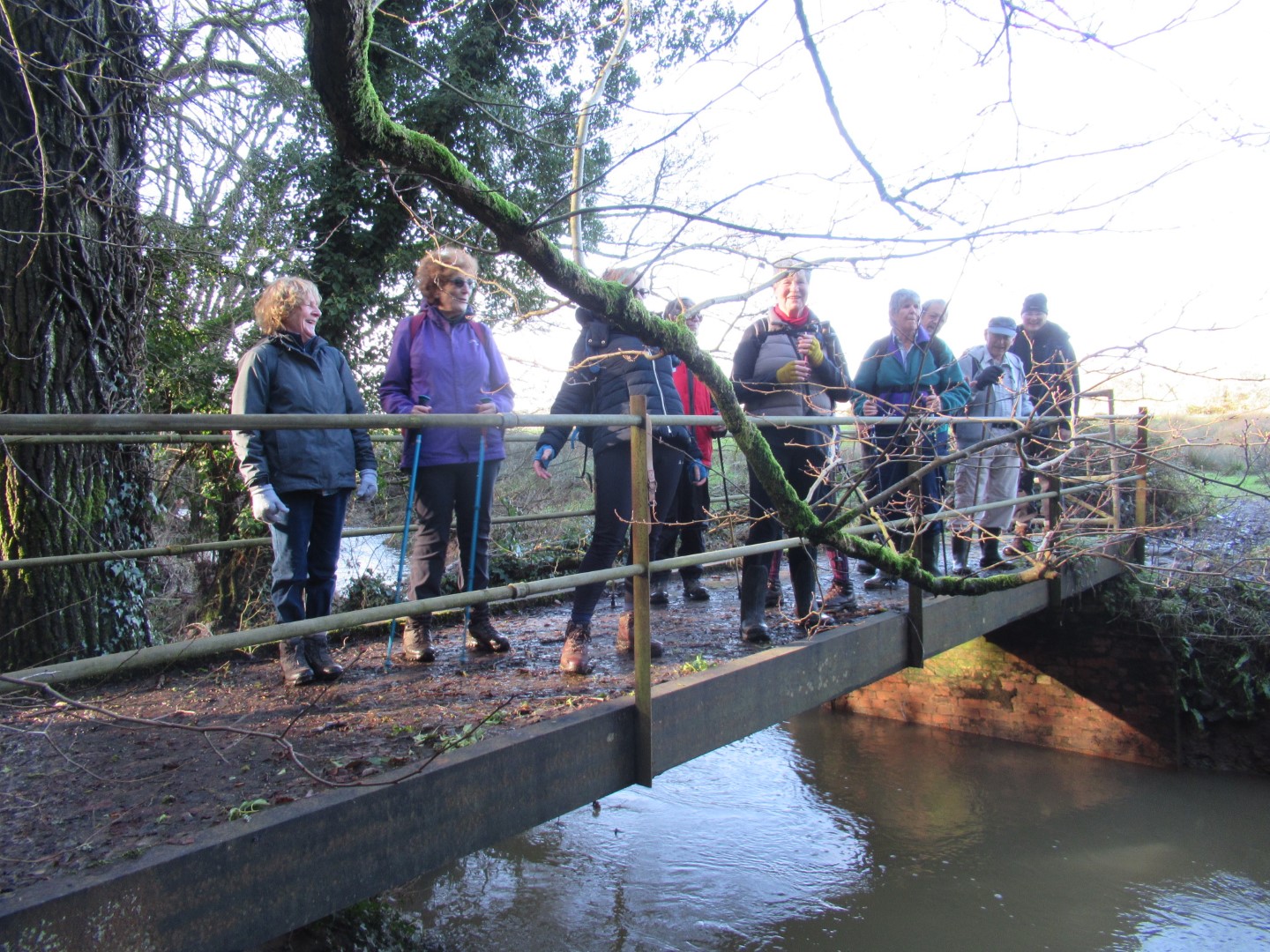
A Rother contributory needed crossing
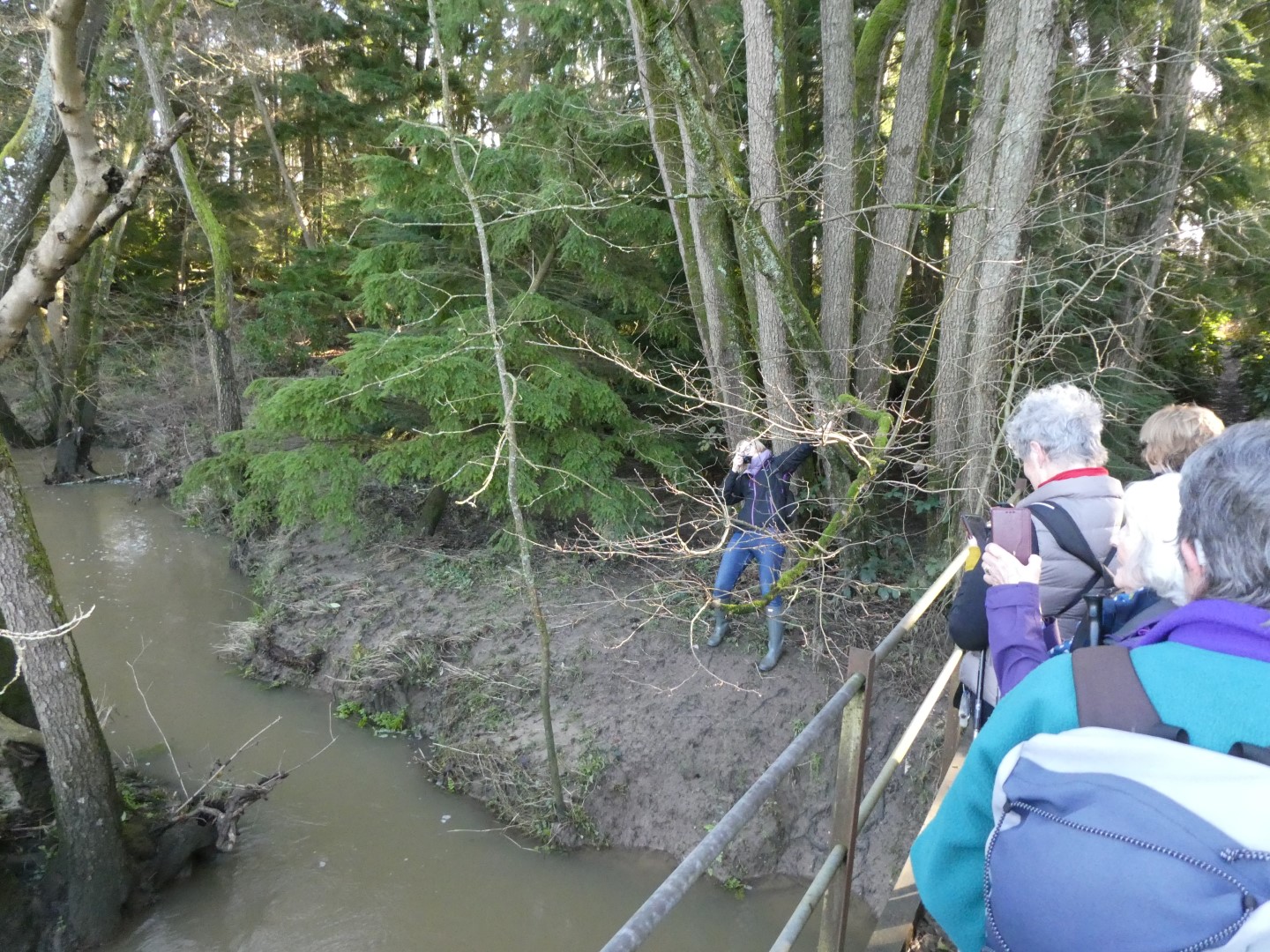
Splendid effort to get a good spot for a shot
But not a good spot for a swim
The Warren proved even more testing for those of a shorter stature
"What's going on down there?"
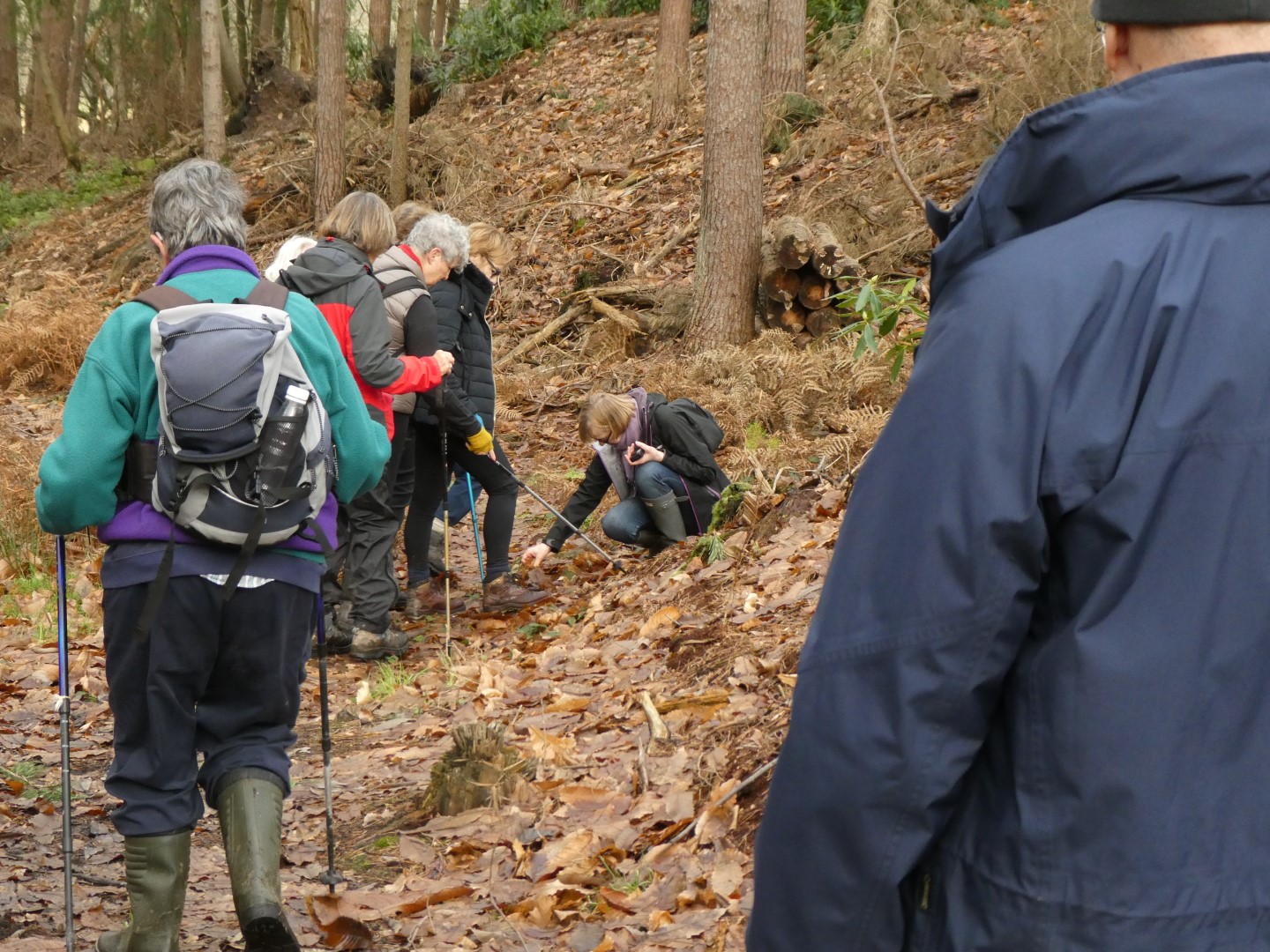
What is it?
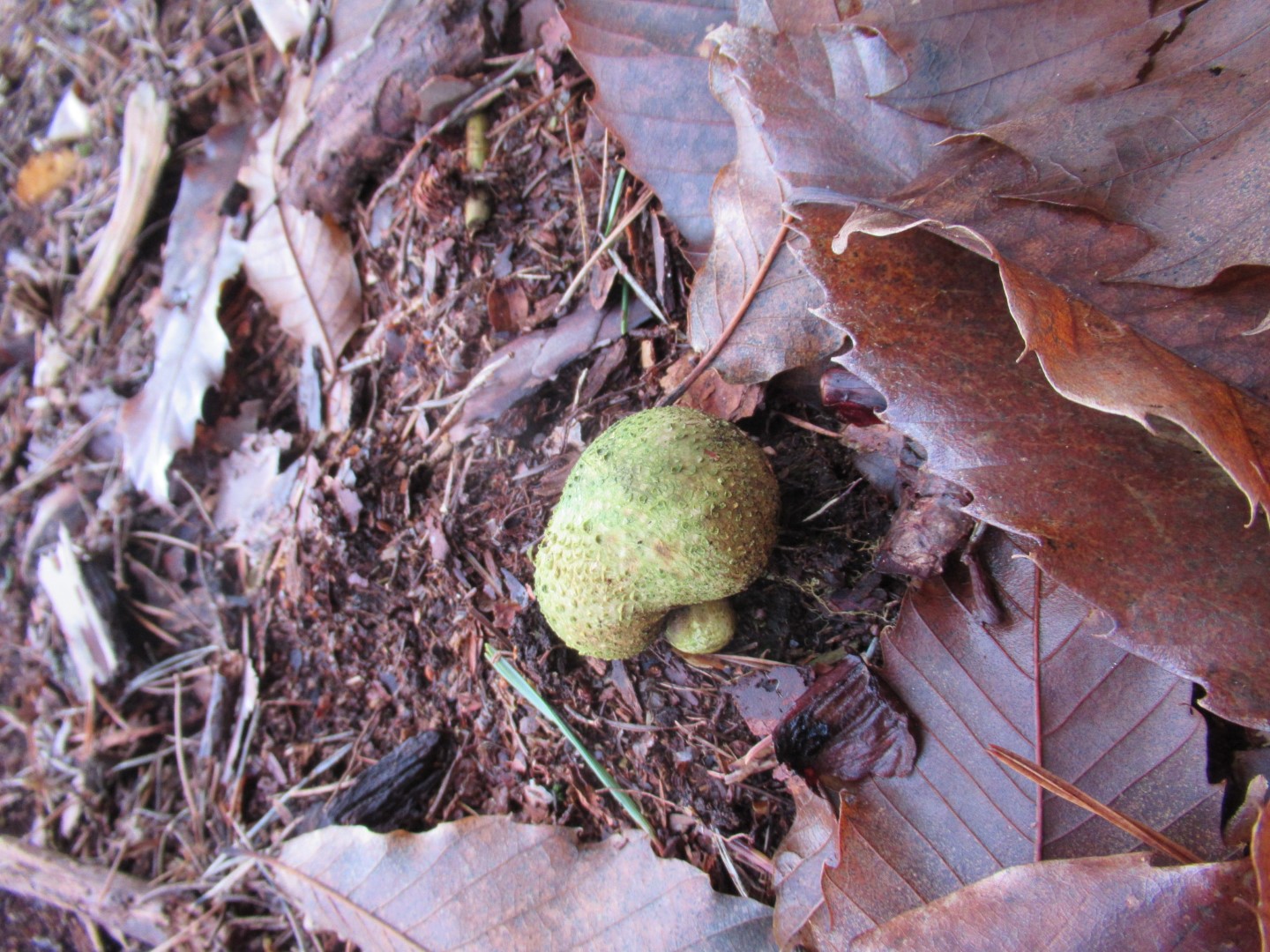
Probably an Earthball and very poisonous!
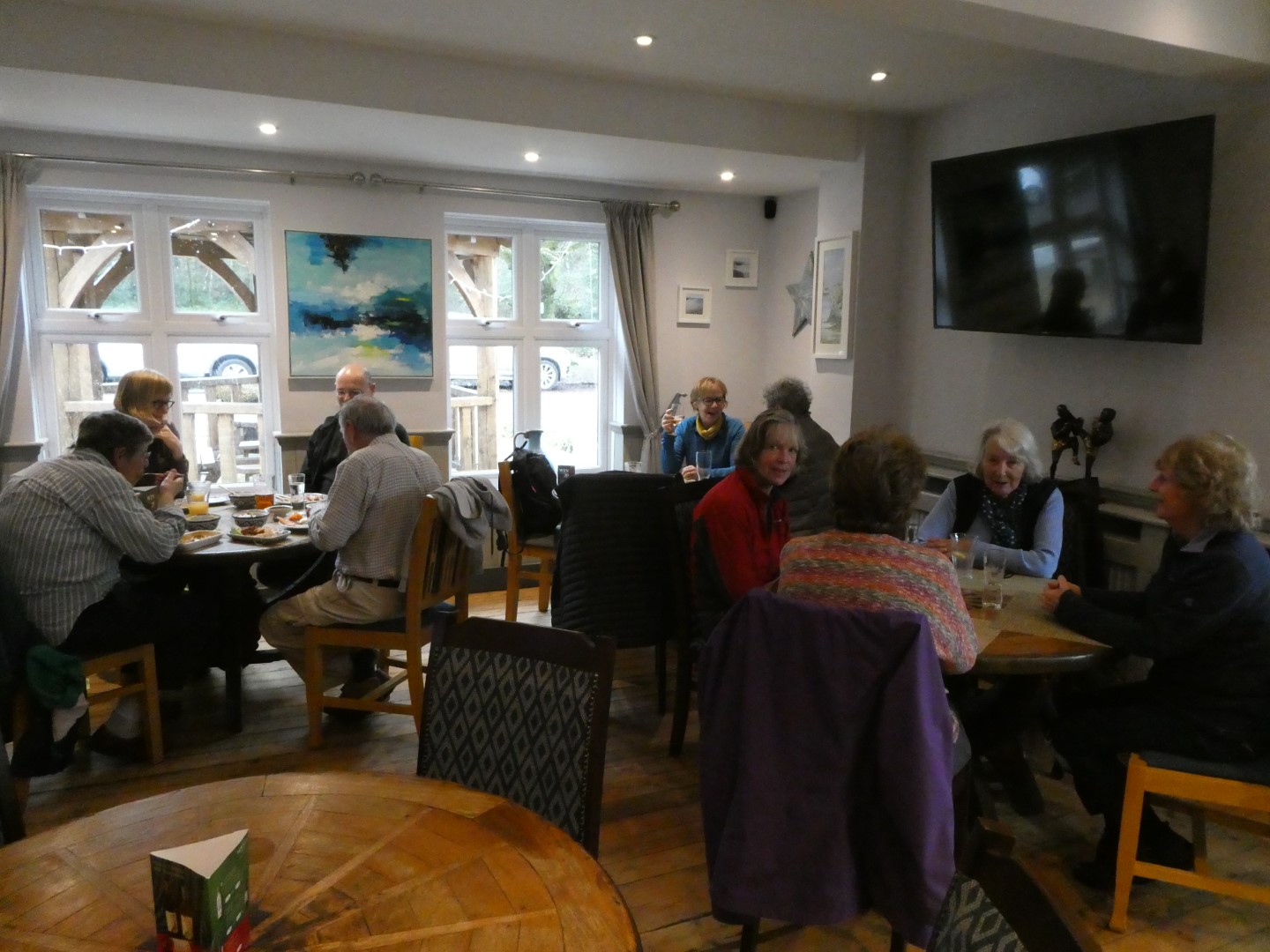
Nothing poisonous in here - back in The Hamilton Arms
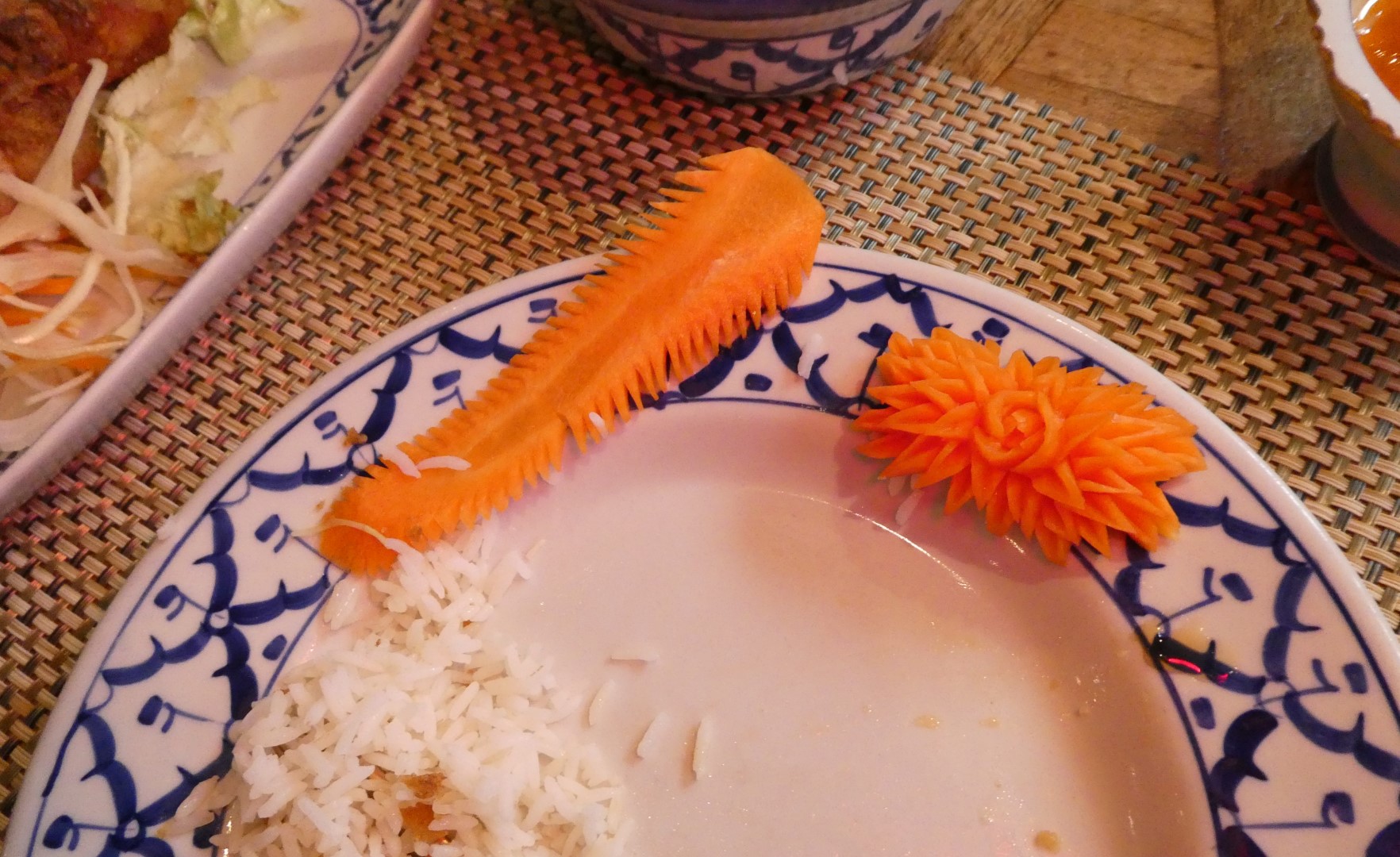
Nice carrot - far too nice to eat.
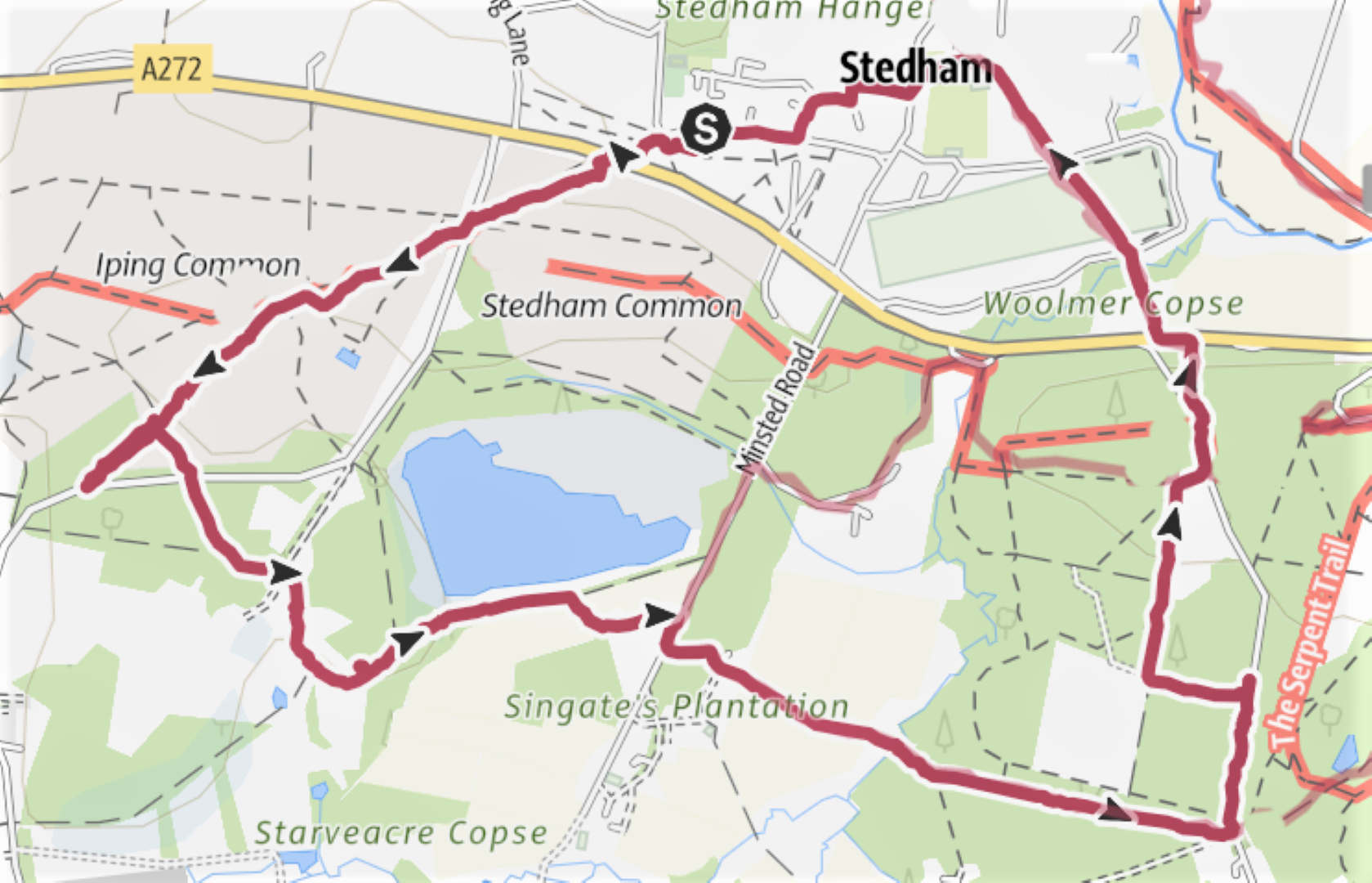
About 5 miles.
Hawkley walk on 4th January 2023
Conditions were damp underfoot in places but the weather was good for Jay's amble around Hawkley. The walk started out heading roughly north to reach Standfast Lane and then on to the scattered houses of Empshott (in the fifteenth century it was ascertained by an inquisition taken in 1428 that Empshott was one of the Hampshire parishes in which there were not ten in-habitants holding houses Feud. Aids, ii, 342 - nothing much has changed since then!). The old church there, the Church of the Holy Rood dates from 12th century and has had many rebuilds ever since. It is unusual in having a leaded glass belltower and inside are two bells dating from 1627 and 1897. After having a drinks break in the churchyard we walked on to the Hangers Way in the shadow of Noah Hill before turning south to return to Hawkley village. An enjoyable lunch followed in the Hawkley Inn. The walk was just below 5.1/2 miles.
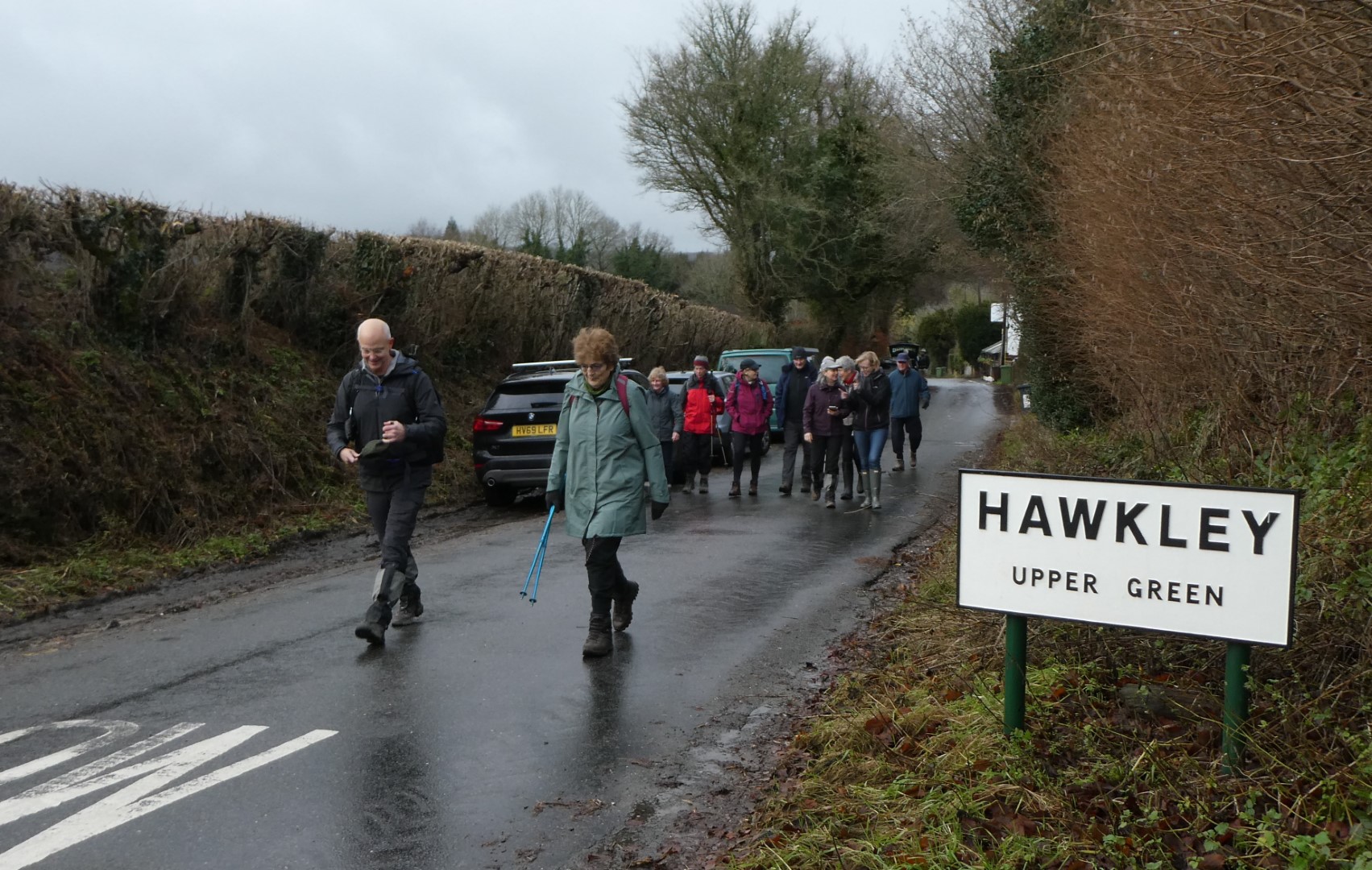
Starting out.
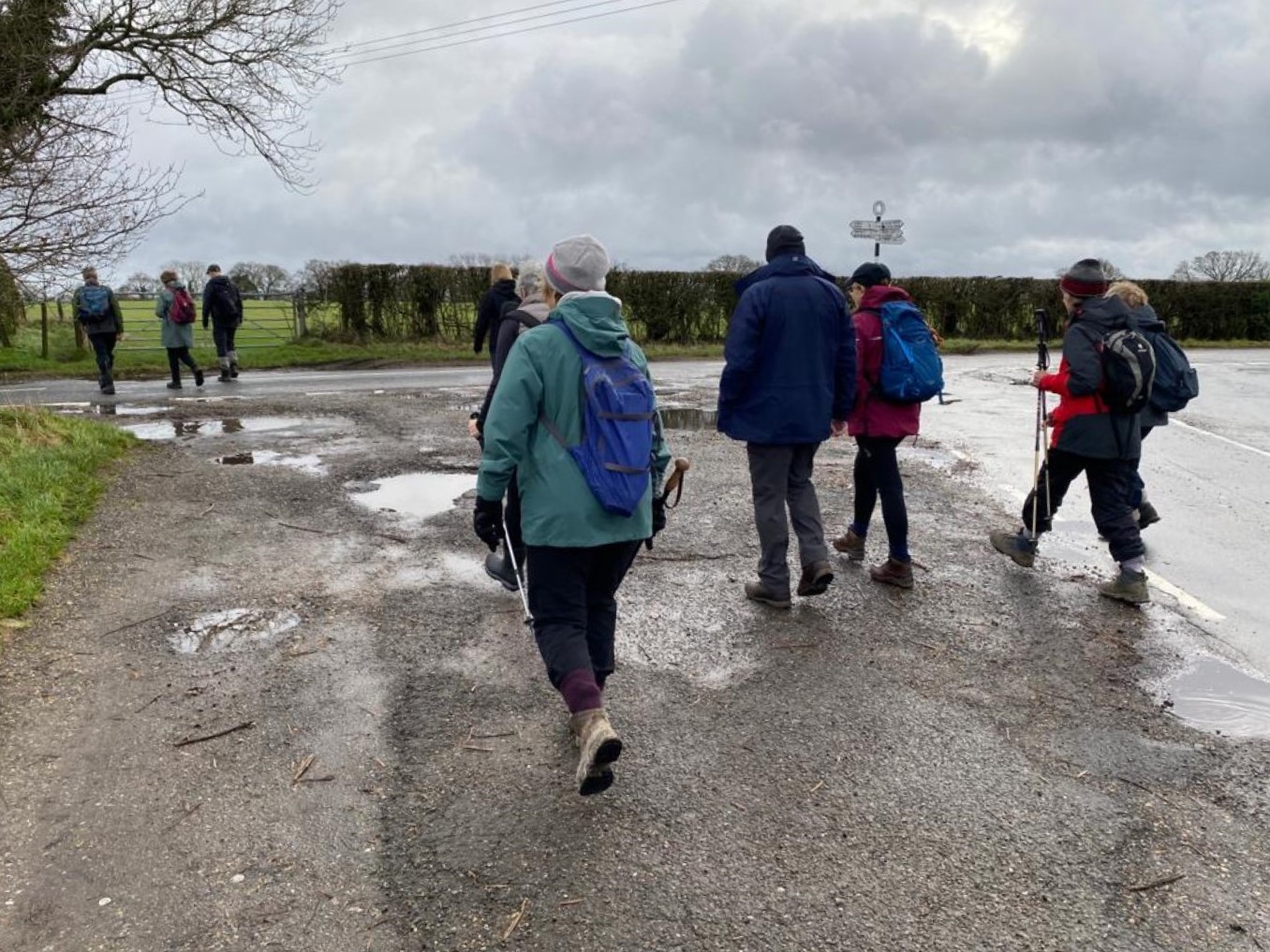
Maybe a little water still around?
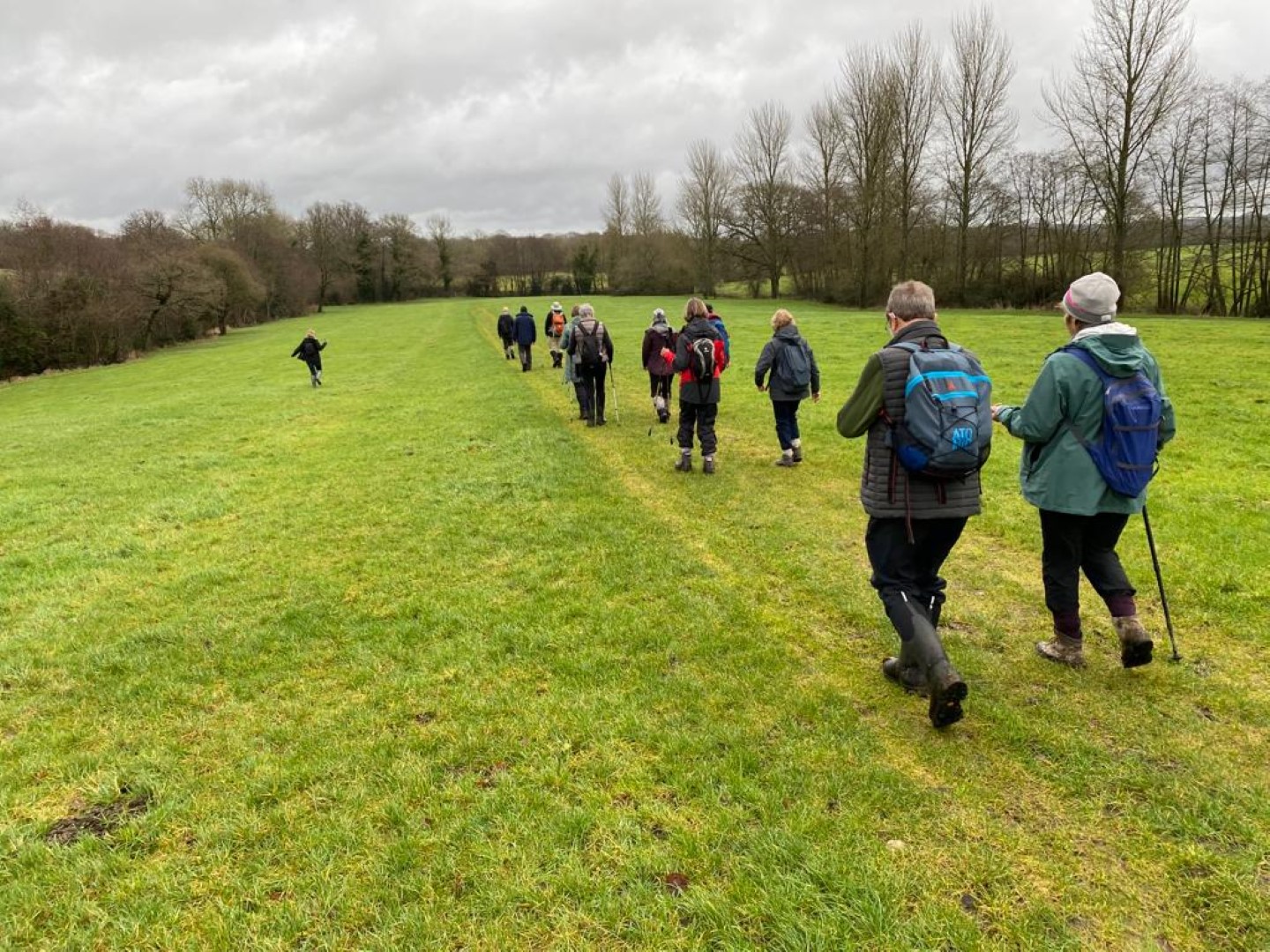
This is very pleasant
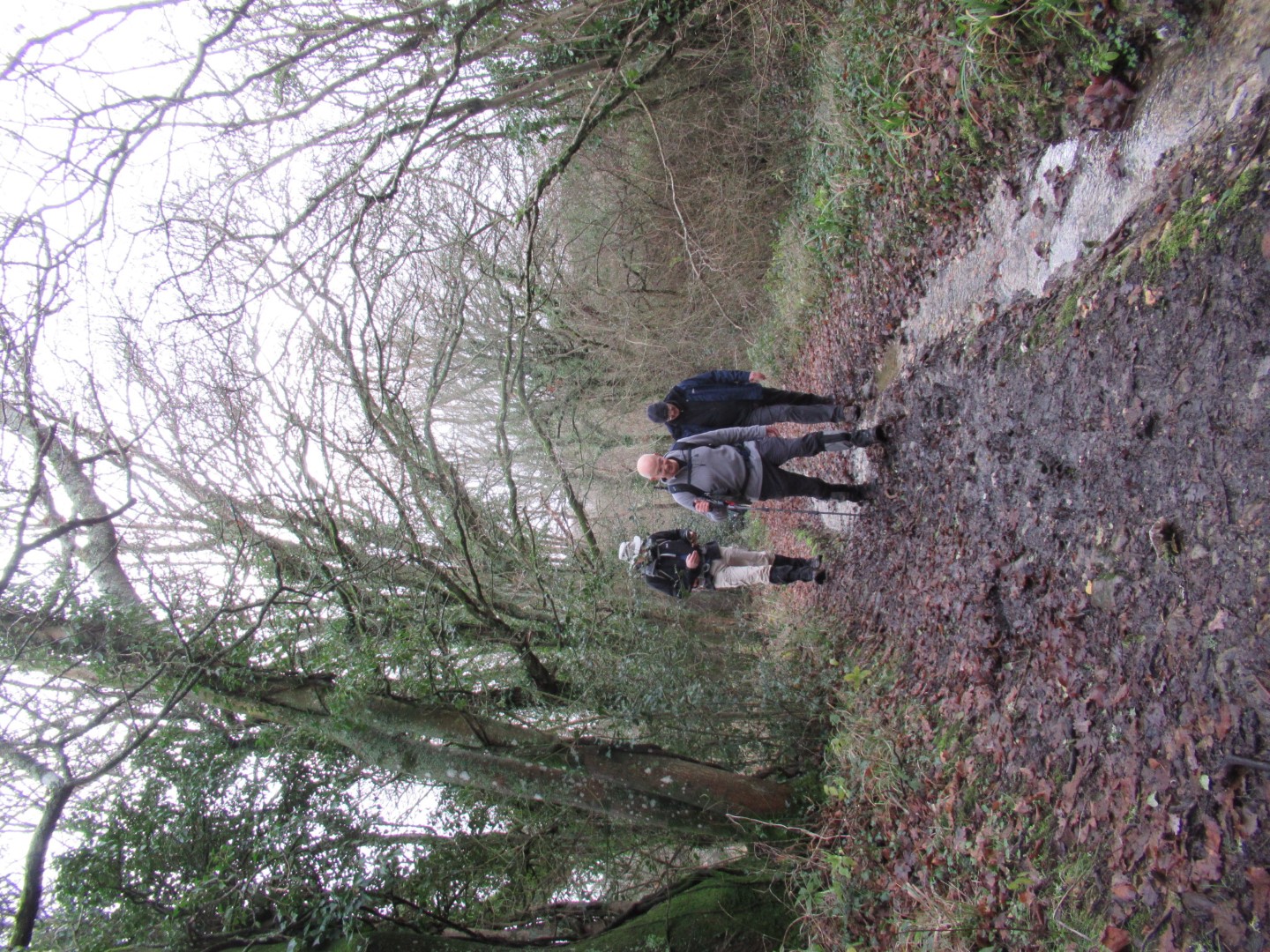
Just a small river to navigate
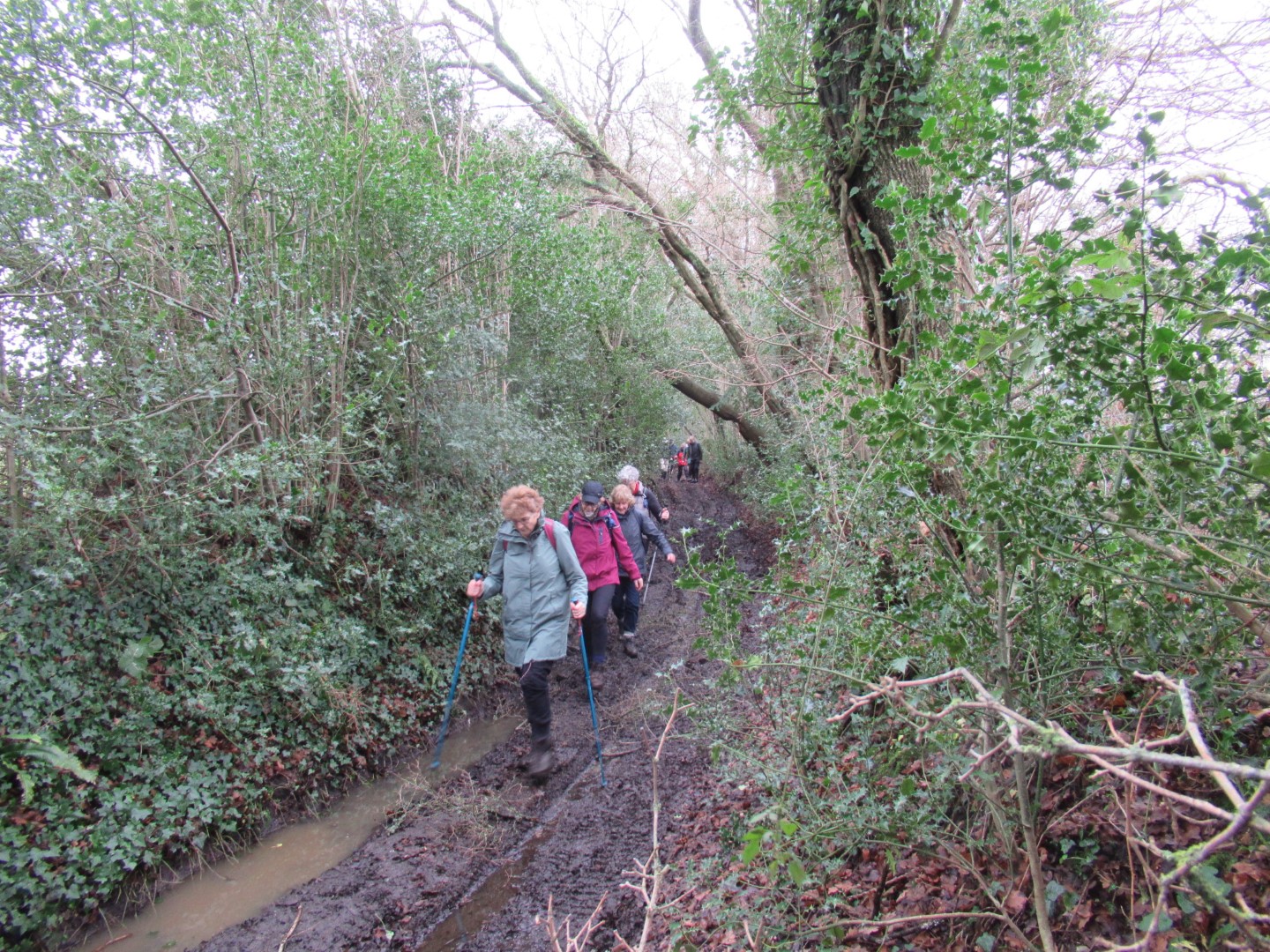
Balancing does tone up muscles, or so they say.....
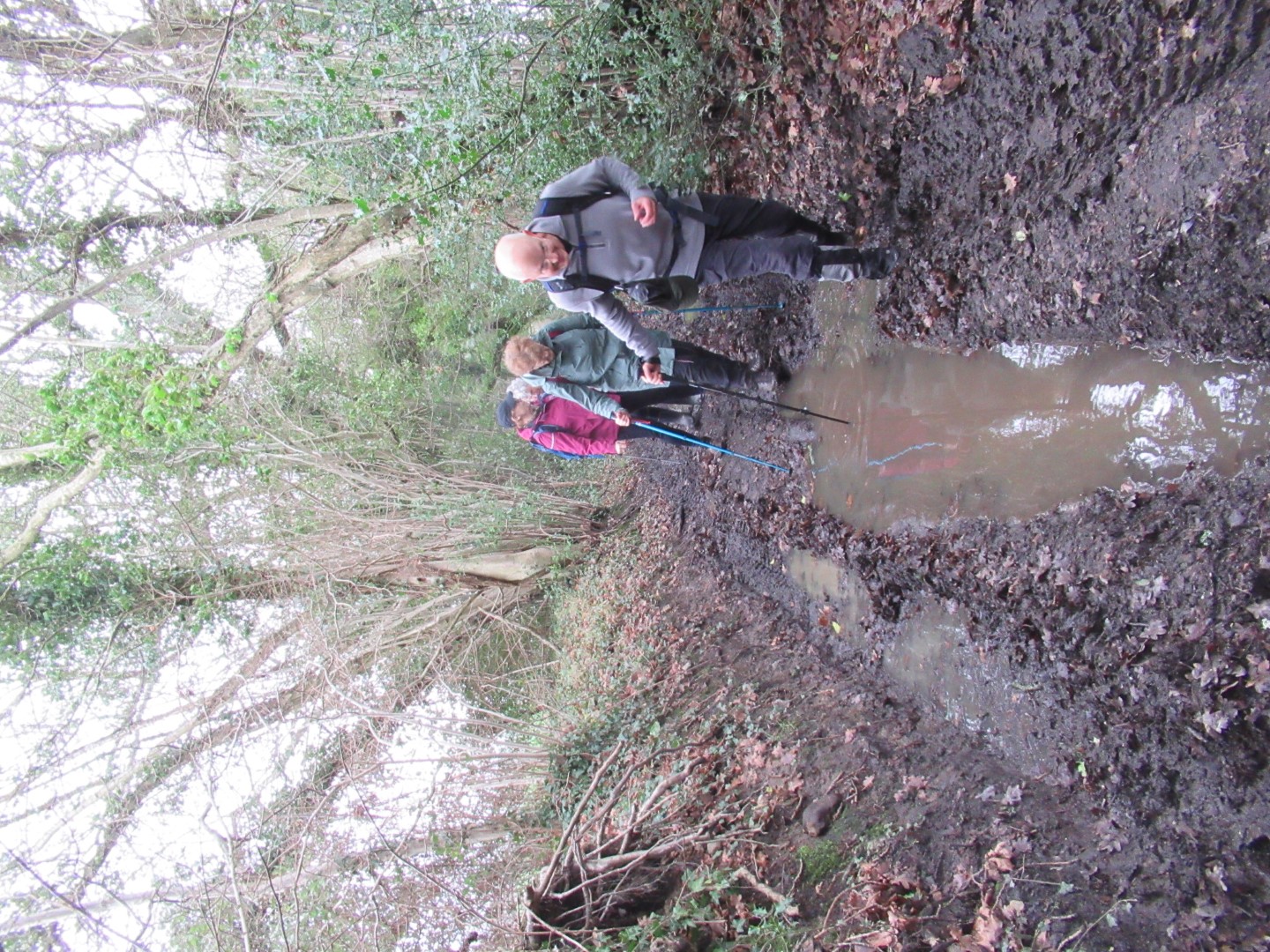
More balancing
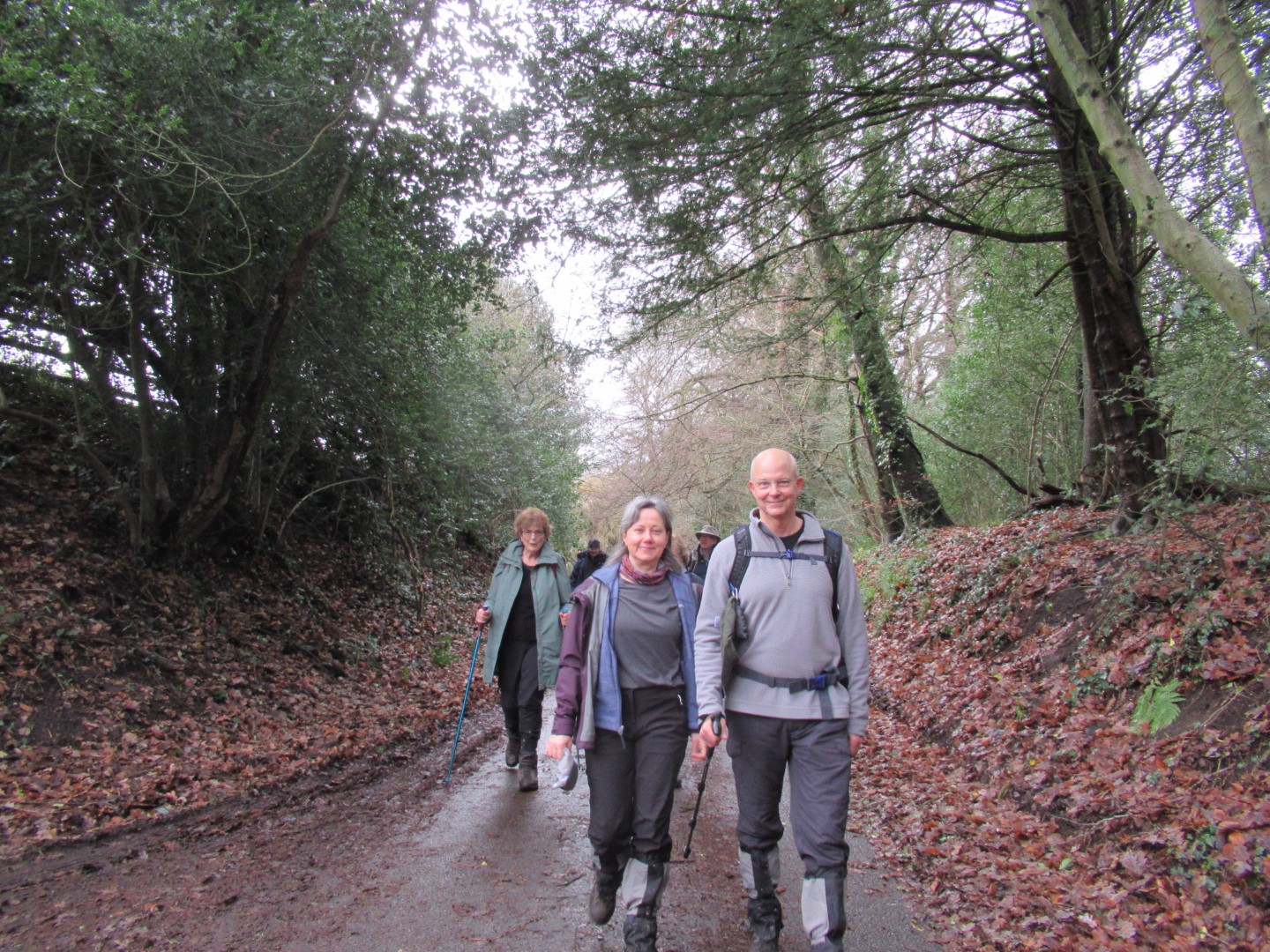
Aha, a road at last
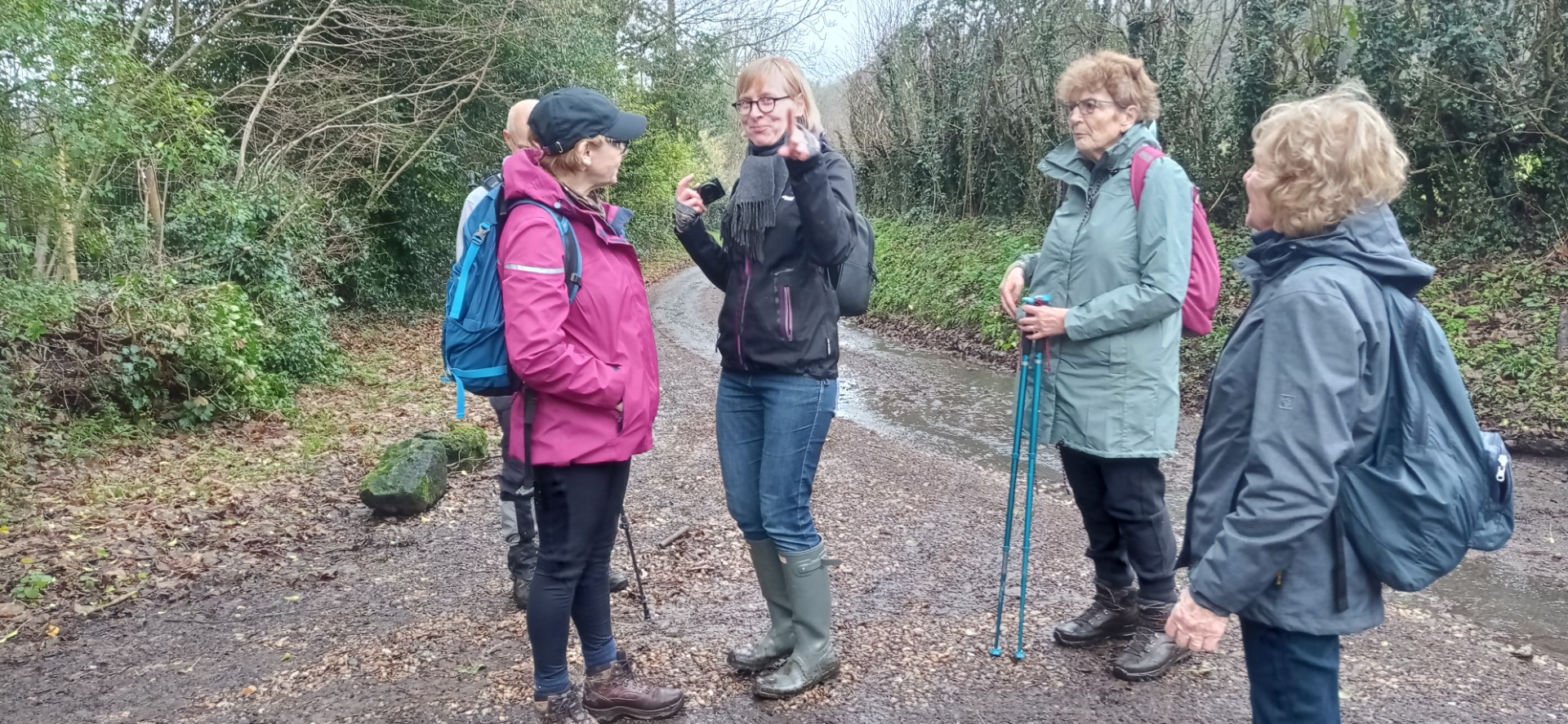
"I know what you're doing!"
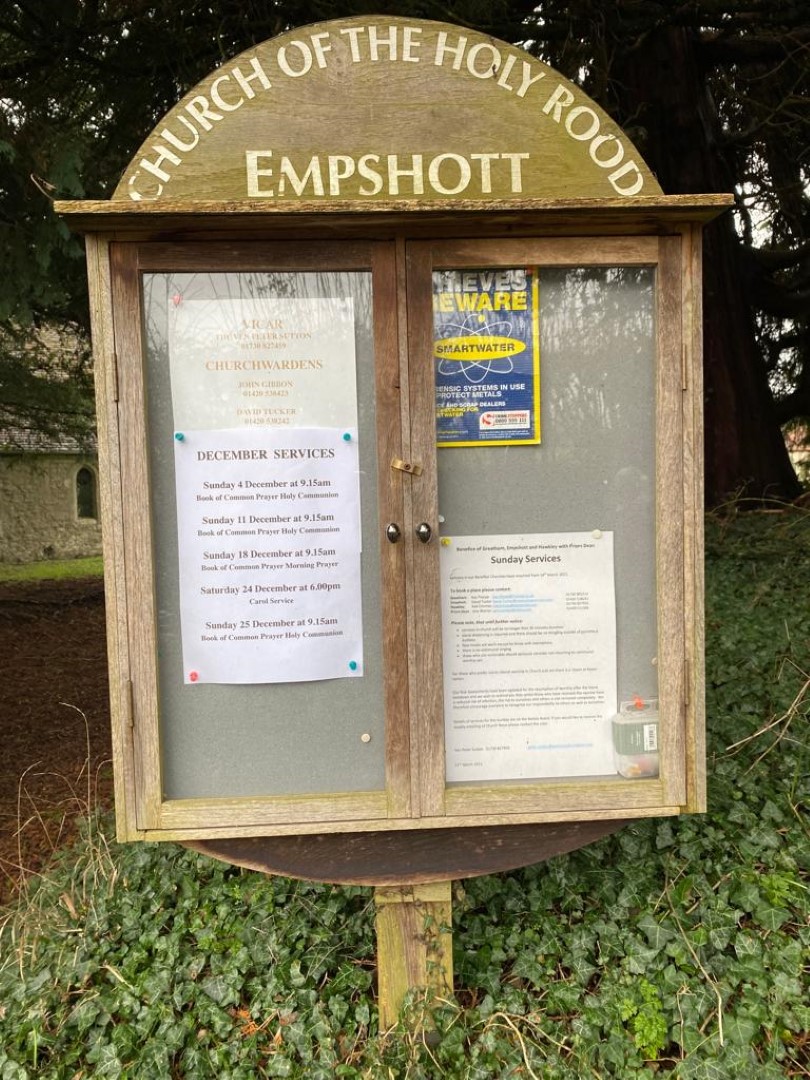
Well worth a visit
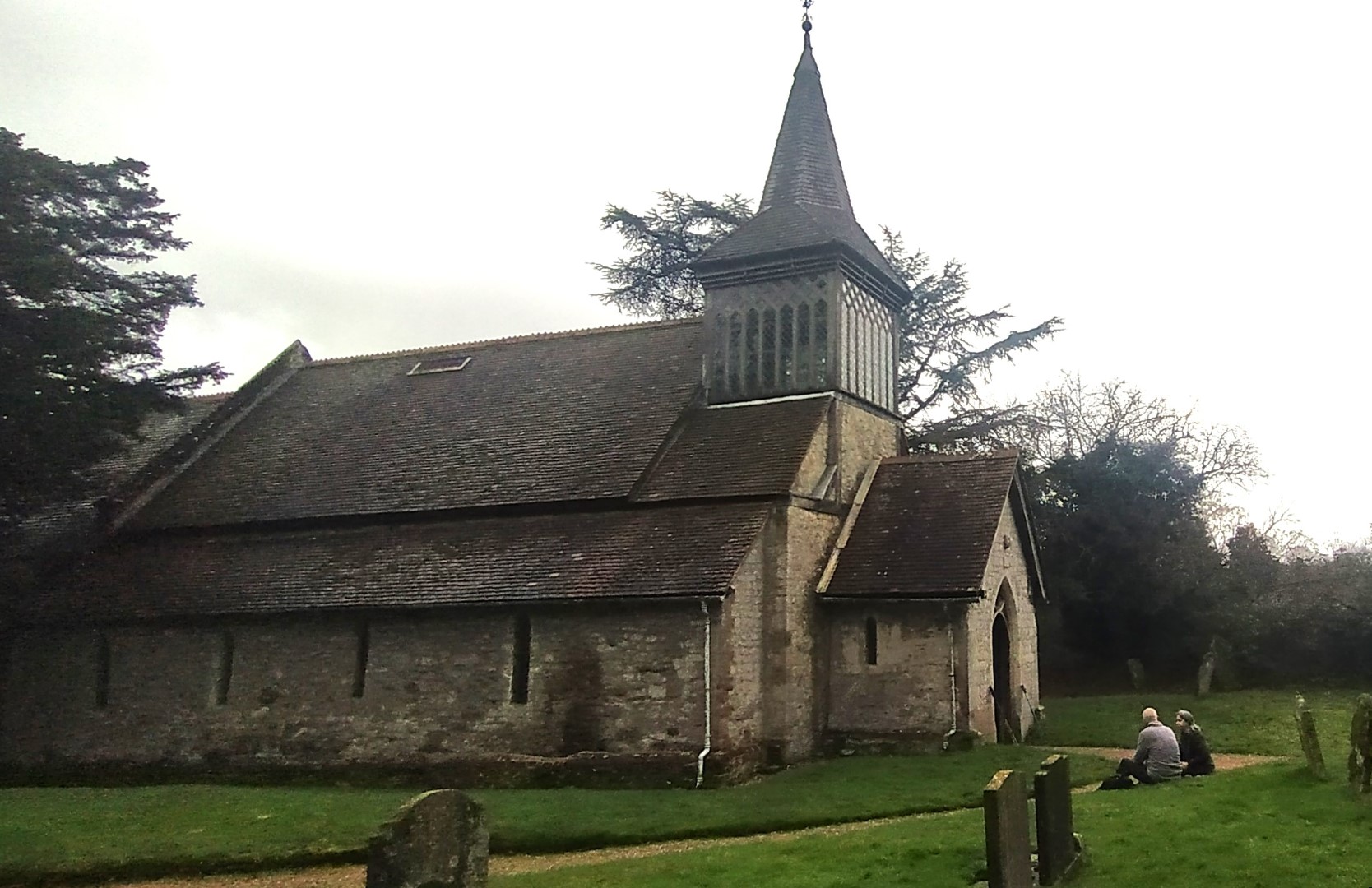
Nice place for a rest
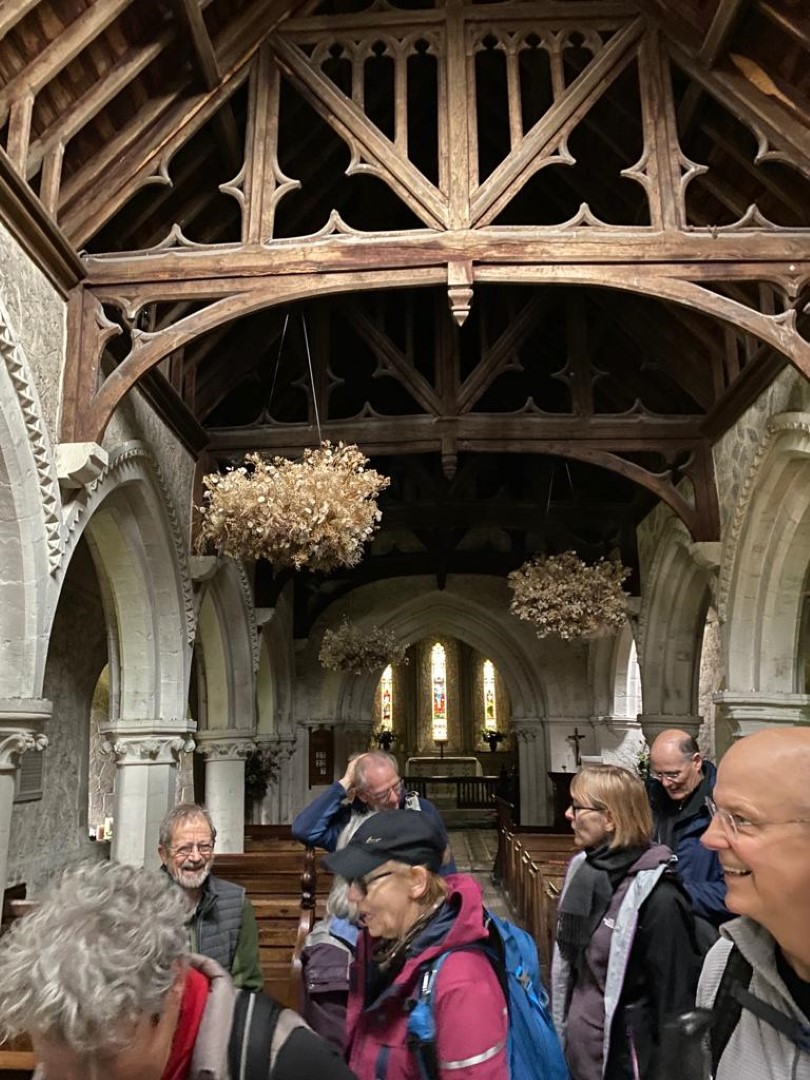
Even nicer inside - the leaning pillars are not just a trick of photography!
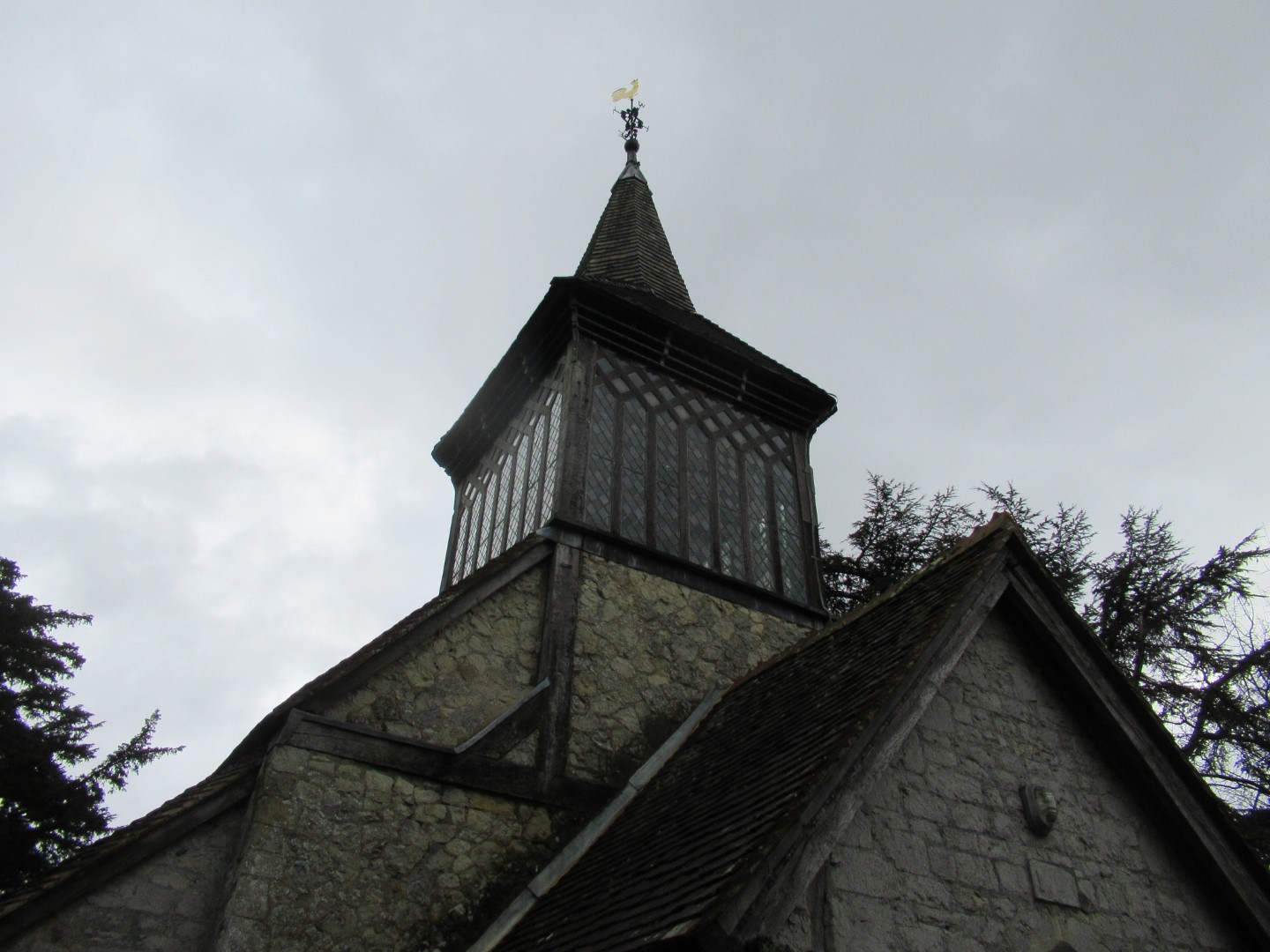
Magnificent bell tower, volunteer window cleaners always welcome..
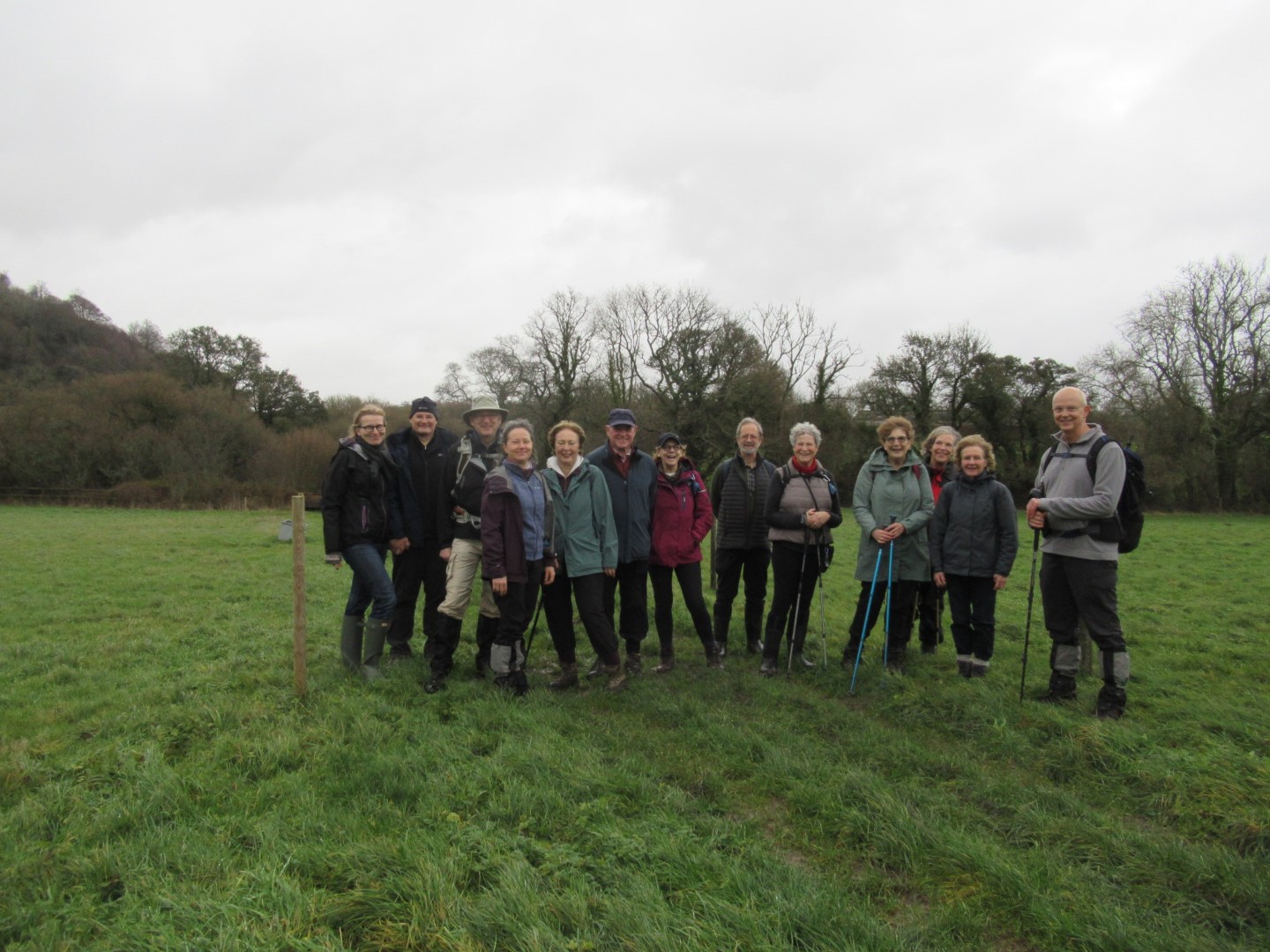
"Now, please all smile at the camera"
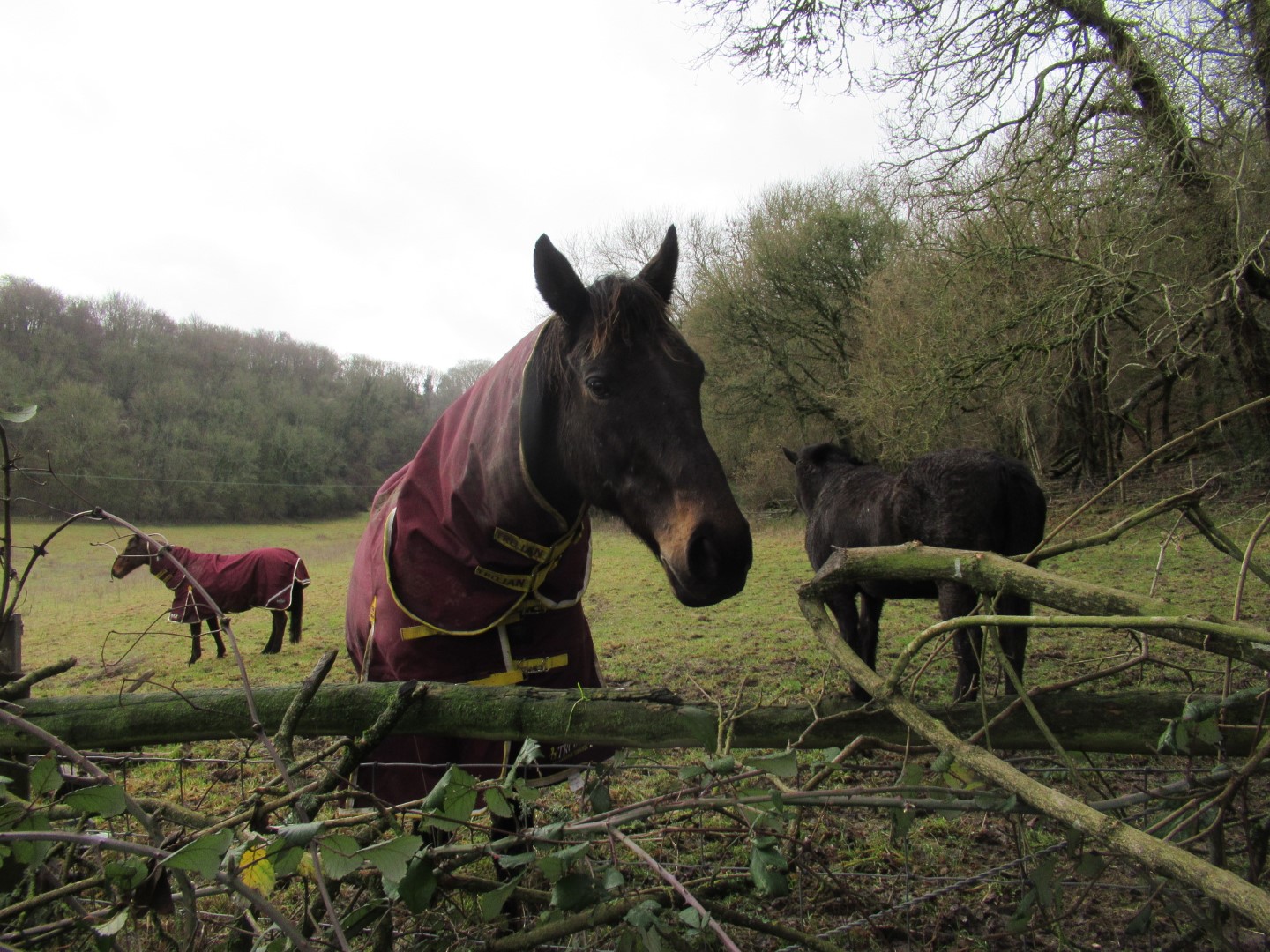
"Pssst - any good tips for the 3.30 at Epsom?"
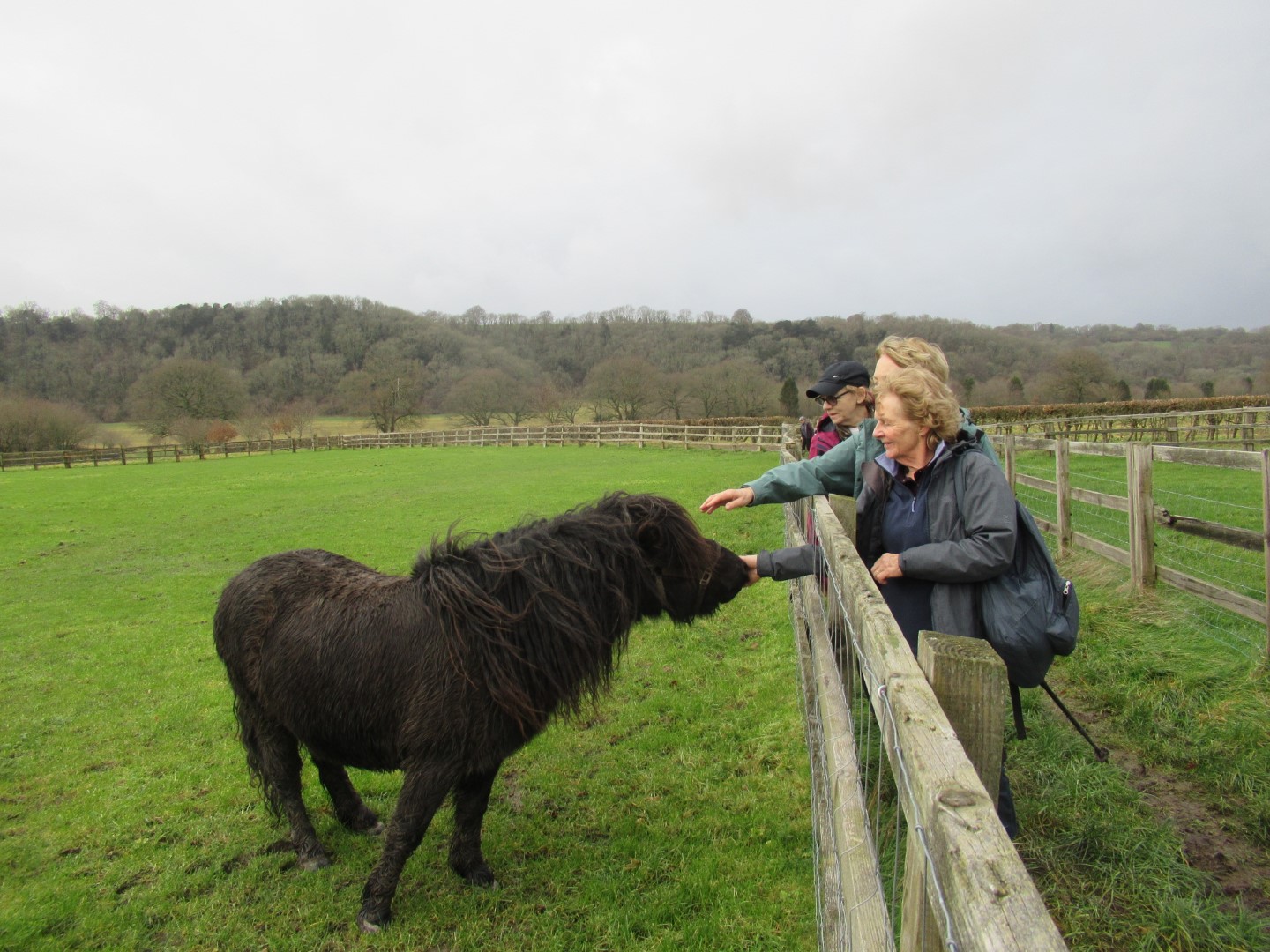
Everyone loves a well behaved Shetland pony
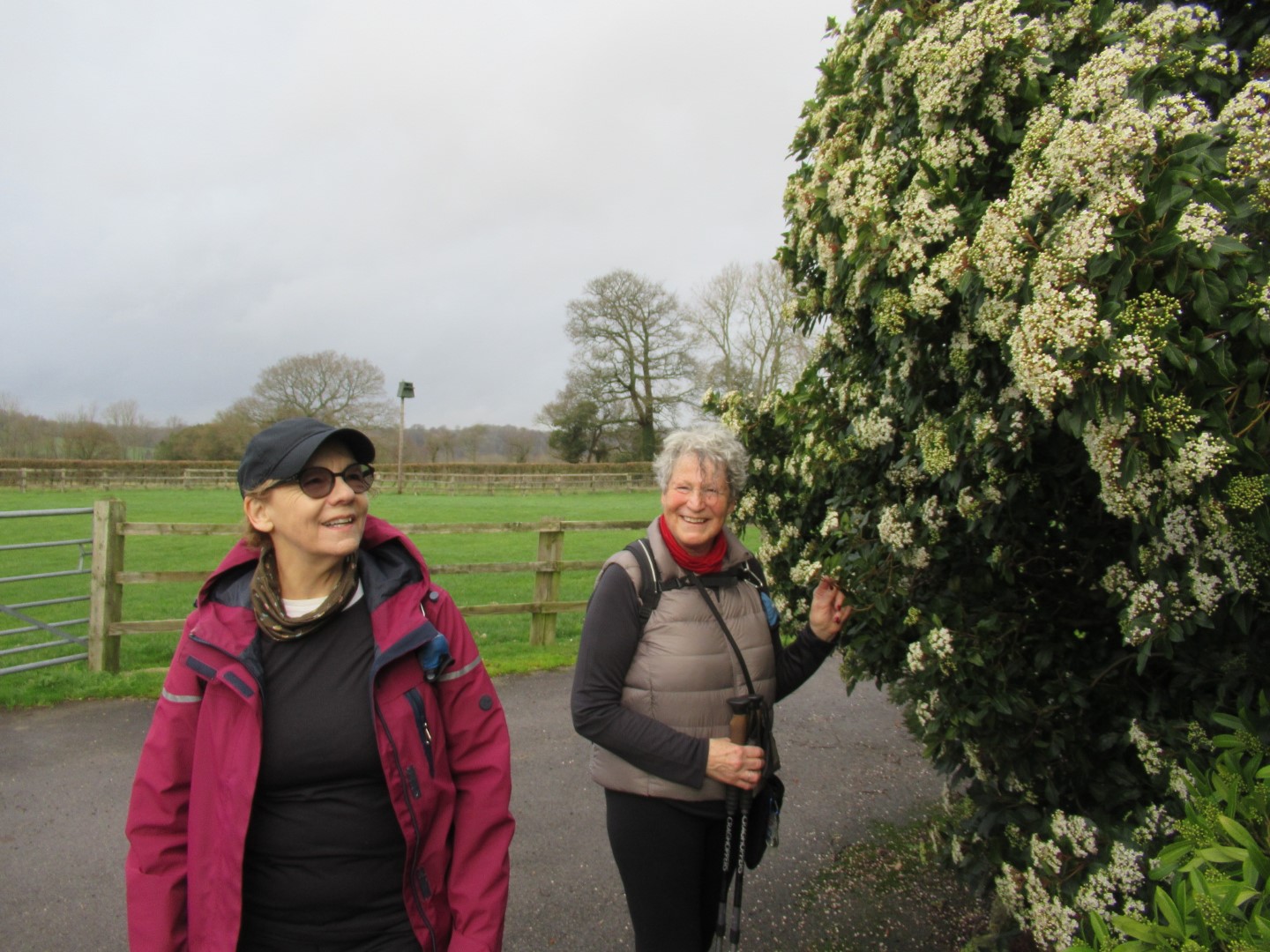
Even in winter, blossoms are happening
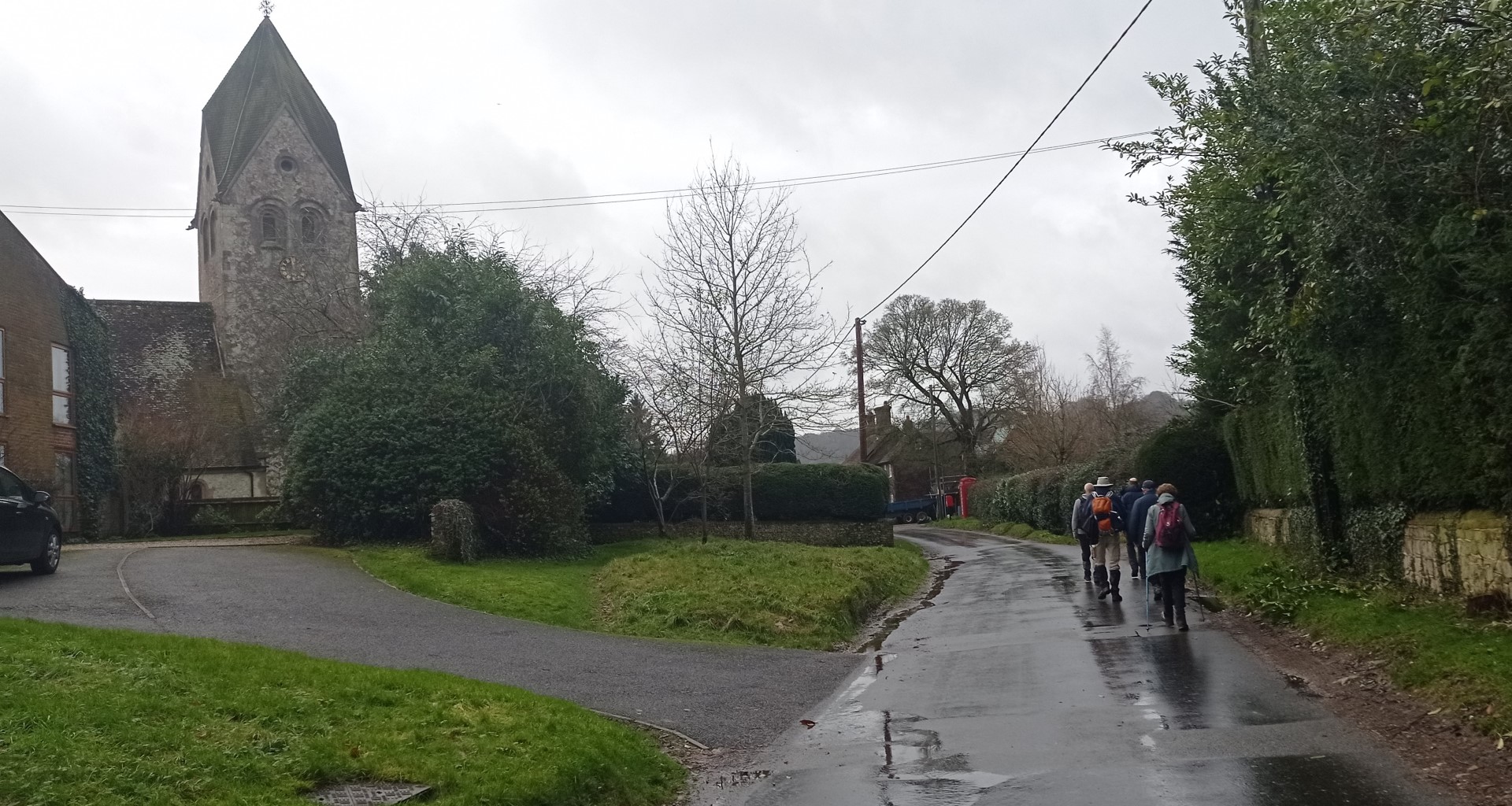
Hawkley Church with an unusual Rhenish helm spire, more common on the continent.
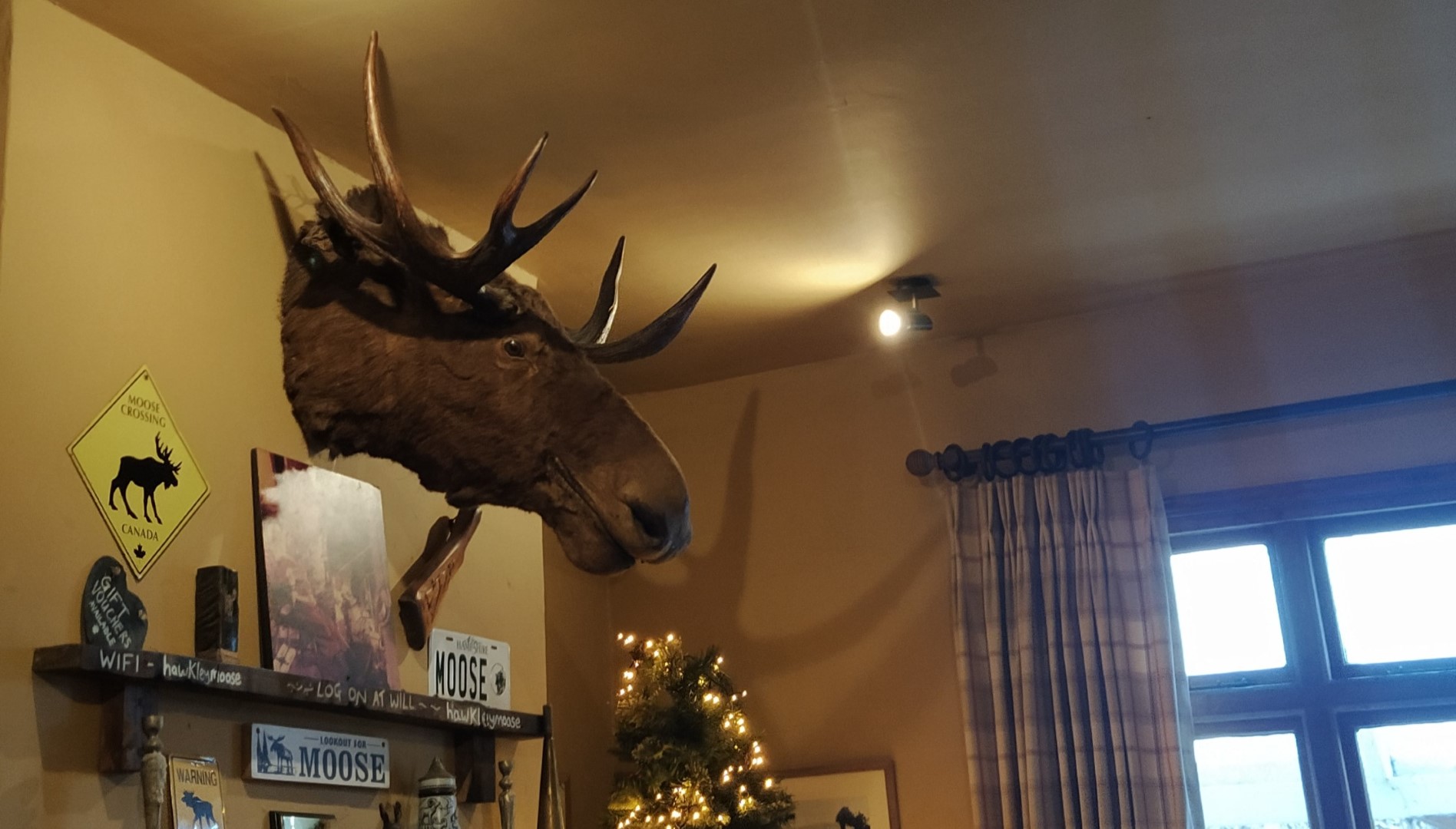
Moose looking down on hungry walkers
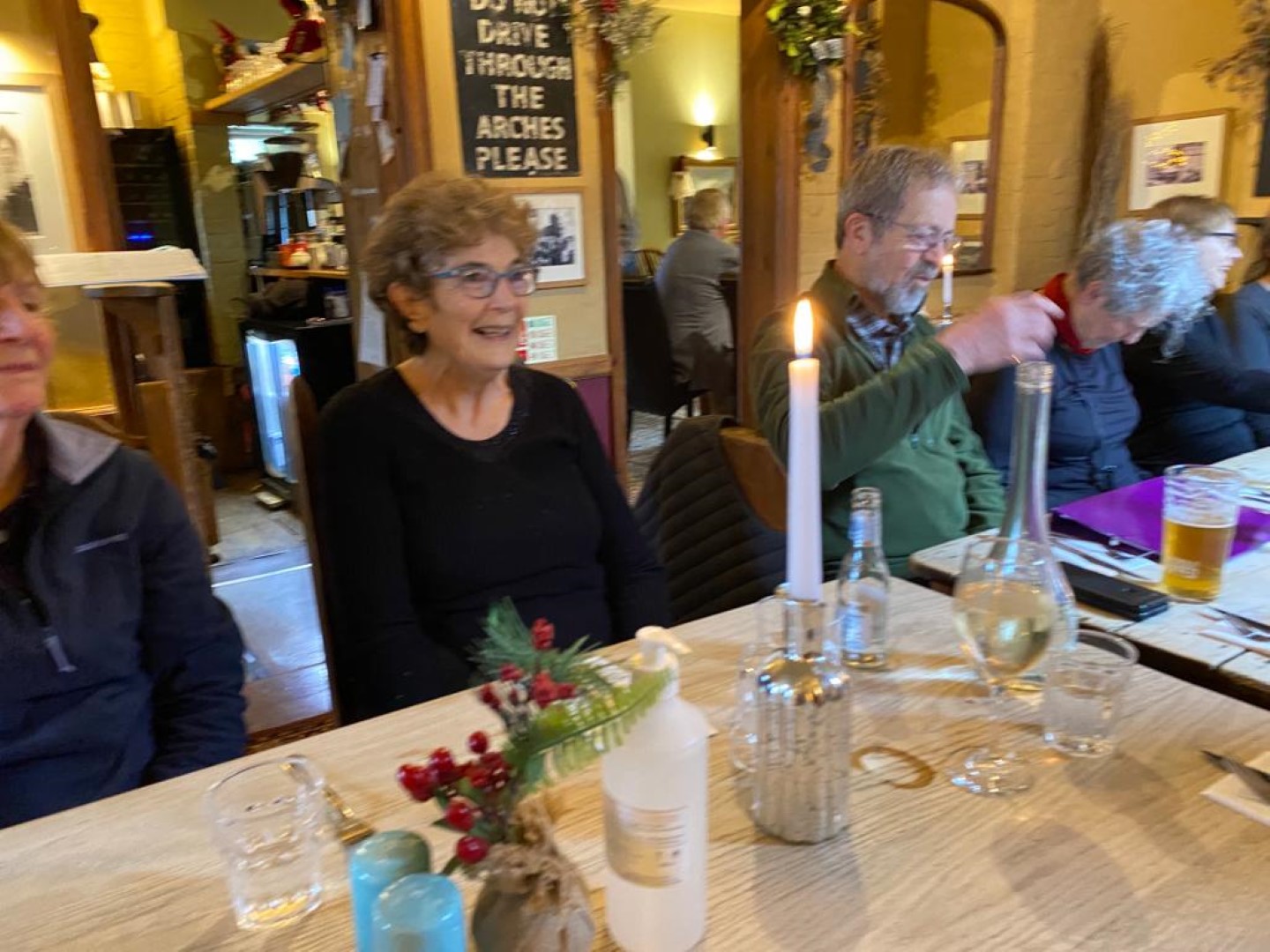
Food now on the way!
.png)
About 5.1/4 miles
Recent galleries
- Finchdean walk on 14th October 2026
- Sheet walk on 7th October 2026
- Chalton walk on 30th September 2026
- Byworth walk on 23rd september 2026
- West Itchenor walk on 16th September 2026
History
2026
- October (3)
- September (4)
- August (3)
- July (4)
- June (3)
- May (6)
- April (4)
- March (4)
- February (4)
- January (3)
2025
- December (3)
- November (4)
- October (5)
- September (4)
- August (4)
- July (5)
- June (4)
- May (5)
- April (4)
- March (5)
- February (3)
- January (4)
2024
- December (3)
- November (5)
- October (4)
- September (4)
- August (4)
- July (4)
- June (5)
- May (5)
- April (5)
- March (5)
- February (5)
- January (4)
2023
- December (3)
- November (6)
- October (5)
- September (5)
- August (3)
- July (4)
- June (6)
- May (5)
- April (4)
- March (5)
- February (4)
- January (4)
2022
- December (4)
- November (5)
- October (5)
- September (3)
- August (4)
- July (6)
- June (11)
- May (4)
- April (5)
- March (4)
- February (5)
- January (4)
2021
2020
- December (4)
- November (1)
- October (5)
- September (4)
- August (3)
- July (3)
- March (2)
- February (5)
- January (3)
2019
- December (2)
- November (5)
- October (4)
- September (3)
- August (4)
- July (4)
- June (11)
- May (5)
- April (4)
- March (3)
- February (5)
- January (5)
2018
- December (2)
- November (4)
- October (4)
- September (5)
- August (4)
- July (3)
- June (5)
- May (8)
- April (4)
- March (4)
- February (5)
- January (3)
2017
- December (3)
- November (5)
- October (3)
- September (4)
- August (4)
- July (4)
- June (11)
- May (4)
- April (4)
- March (3)
- February (4)
- January (5)
2016
- December (3)
- November (4)
- October (5)
- September (4)
- August (3)
- July (6)
- June (11)
- May (4)
- April (5)
- March (3)
- February (10)
- January (2)
2015
2014
- June (2)
1997
- February (1)